
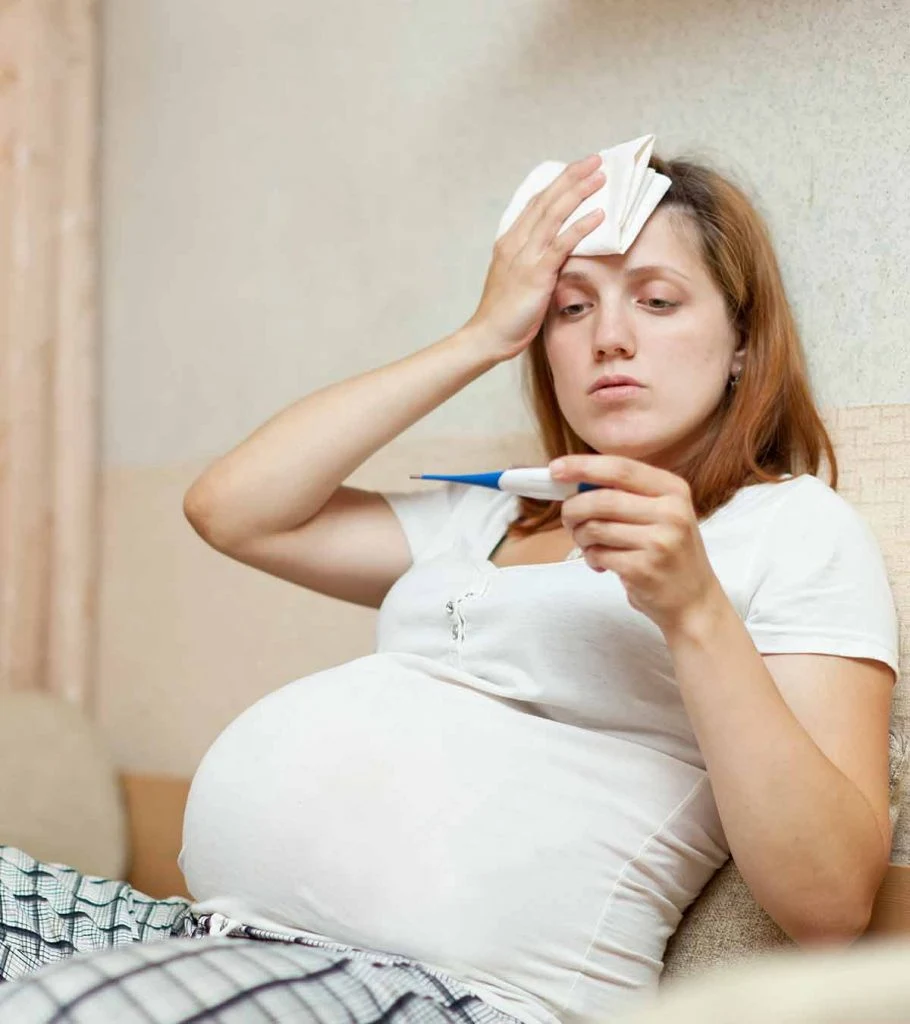
Malaria is a mosquito-borne infection that can cause severe illness. During pregnancy it can affect both the pregnant person and the developing baby, making prevention, prompt assessment and appropriate treatment especially important.
Why malaria matters during pregnancy
The World Health Organization explains that malaria infection during pregnancy can contribute to maternal anaemia, low birth weight and other adverse outcomes. Risk and recommended prevention measures vary by country, region and malaria-transmission pattern.
Prevention before and during travel
Someone who is pregnant or may become pregnant should seek destination-specific medical advice before travelling to an area where malaria occurs. Some preventive medicines are not appropriate during pregnancy, while others may be recommended depending on the destination and individual health circumstances.
Measures to reduce mosquito bites include using an appropriate insect repellent, sleeping under an insecticide-treated bed net where advised, wearing clothing that covers exposed skin and staying in screened or air-conditioned accommodation when possible.
Symptoms need prompt assessment
Possible malaria symptoms can include fever, chills, headache, muscle aches, tiredness, nausea and vomiting. Symptoms may be nonspecific. A pregnant traveller who becomes unwell during or after travel to a malaria-risk area should seek medical care promptly and explain the travel history.
The CDC’s clinical guidance states that malaria in pregnancy should be treated urgently with a regimen appropriate to the malaria species, resistance pattern and stage of pregnancy. Diagnosis and medication choice require professional care; unverified remedies should not delay testing or treatment.




Comments
Leave a Comment
Your email address will not be published. Required fields are marked *