Cobalamin: Vitamin B12
Cobalamin, commonly known as vitamin B12, is a vital nutrient that your body can’t produce by itself. It plays a key role in energy production, brain health, and the formation of red blood cells. Despite its significance, many people are still in the dark about how it impacts their overall well-being. Let’s dive into the essential functions of cobalamin, where to find it in your diet, the signs of deficiency, and the potential risks of toxicity.
Functions of Cobalamin in the Body
Cobalamin is involved in several crucial processes. It aids in DNA production, supports nerve health, and helps prevent a specific type of anemia known as megaloblastic anemia. This vitamin is also essential for turning food into energy your body can use. It works hand in hand with folate and vitamin B6 to keep homocysteine levels in check, which is important for heart health. In a nutshell, your brain, nerves, and blood cells rely on cobalamin to operate smoothly.
Best Dietary Sources
You can find cobalamin naturally in animal-based foods. The best sources include beef liver, clams, fish, eggs, milk, and poultry. For those who are vegetarians or vegans, fortified cereals, plant-based milks, and nutritional yeast are excellent options that contain added B12. Since plant foods don’t naturally have B12, anyone following a strict plant-based diet should think about incorporating fortified products or supplements to prevent deficiency.
Common Signs and Symptoms
Deficiency Cobalamin deficiency can develop gradually and might not be noticeable at first. Early signs often include fatigue, weakness, and pale skin. As the deficiency worsens, it can lead to numbness, memory issues, depression, and trouble walking. In severe cases, it could result in irreversible nerve damage. Older adults, vegans, individuals with digestive disorders, or those on certain medications are at a higher risk. A blood test can determine if your B12 levels are low, and catching it early is crucial for effective treatment.
How to Prevent and Treat Deficiency
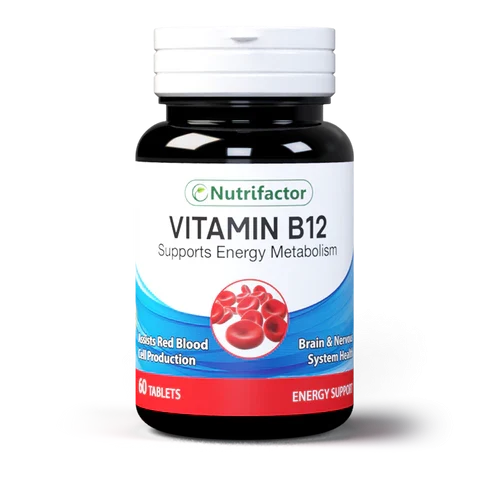
To keep deficiencies at bay, focus on a well-rounded diet that includes reliable sources of B12. If you’re following a vegetarian or vegan diet, it’s a good idea to take a B12 supplement regularly. Options like sublingual tablets, sprays, or injections can all be effective. For those who have trouble absorbing B12, doctors might suggest injections or higher oral doses. Regular check-ups will help ensure your levels stay healthy over time.
Is Cobalamin Toxic in High Amounts?
Unlike some vitamins, cobalamin is water-soluble, which means that any excess is typically flushed out through urine. For most people, even taking high doses of supplements doesn’t pose a risk. However, extremely large doses over an extended period should only be taken under medical supervision. In rare cases, minor side effects like skin reactions or dizziness might occur, but B12 toxicity is quite uncommon and generally not a concern for most individuals.
Conclusion
Cobalamin is crucial for energy, brain function, and the production of red blood cells. If left untreated, a deficiency can lead to serious health problems. The easiest way to meet your B12 needs is by consuming animal products or fortified foods. If you’re at risk, supplements can be a great help. While toxicity is rare, it’s always smart to stick to the recommended dosages. Keep an eye on your B12 levels, and your body will reward you with energy, clarity, and long-term health.