

Vitamin C, or ascorbic acid, is a water-soluble nutrient needed for collagen formation, wound healing and antioxidant function. It also improves absorption of iron from plant foods.
Scurvy and deficiency
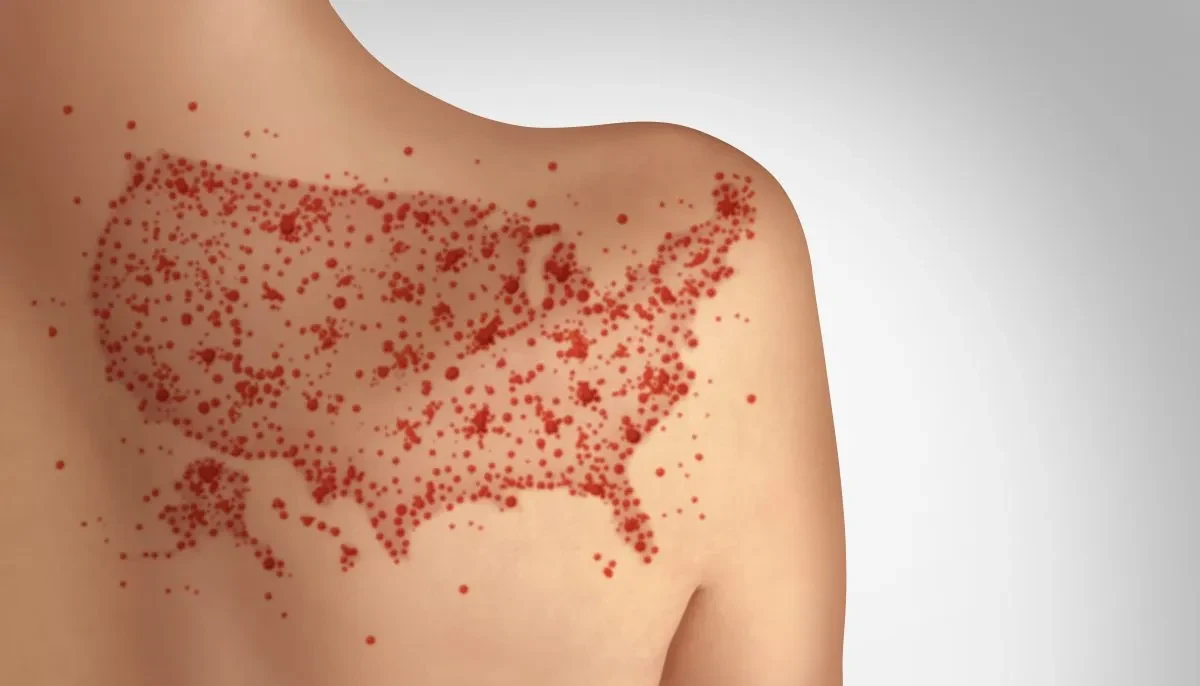
Prolonged severe vitamin C deficiency causes scurvy. Possible signs include fatigue, swollen or bleeding gums, easy bruising, small skin haemorrhages, joint pain and poor wound healing. These symptoms can have other causes, so diagnosis should not rely on appearance alone.
Food sources
Fruit and vegetables such as citrus fruit, peppers, kiwi, strawberries, broccoli and tomatoes provide vitamin C. Storage and prolonged cooking can reduce content. A varied diet usually provides enough for most people.
The NIH Office of Dietary Supplements explains recommended intake, food sources, deficiency risk and supplement safety.
Supplements are not always better
High-dose supplements do not prevent every infection or chronic disease and can cause diarrhoea, nausea or abdominal cramps. They may be unsuitable for some people, including those with certain kidney or iron-storage conditions. Suspected scurvy or a highly restricted diet should be assessed by a healthcare professional.





Comments
Leave a Comment
Your email address will not be published. Required fields are marked *