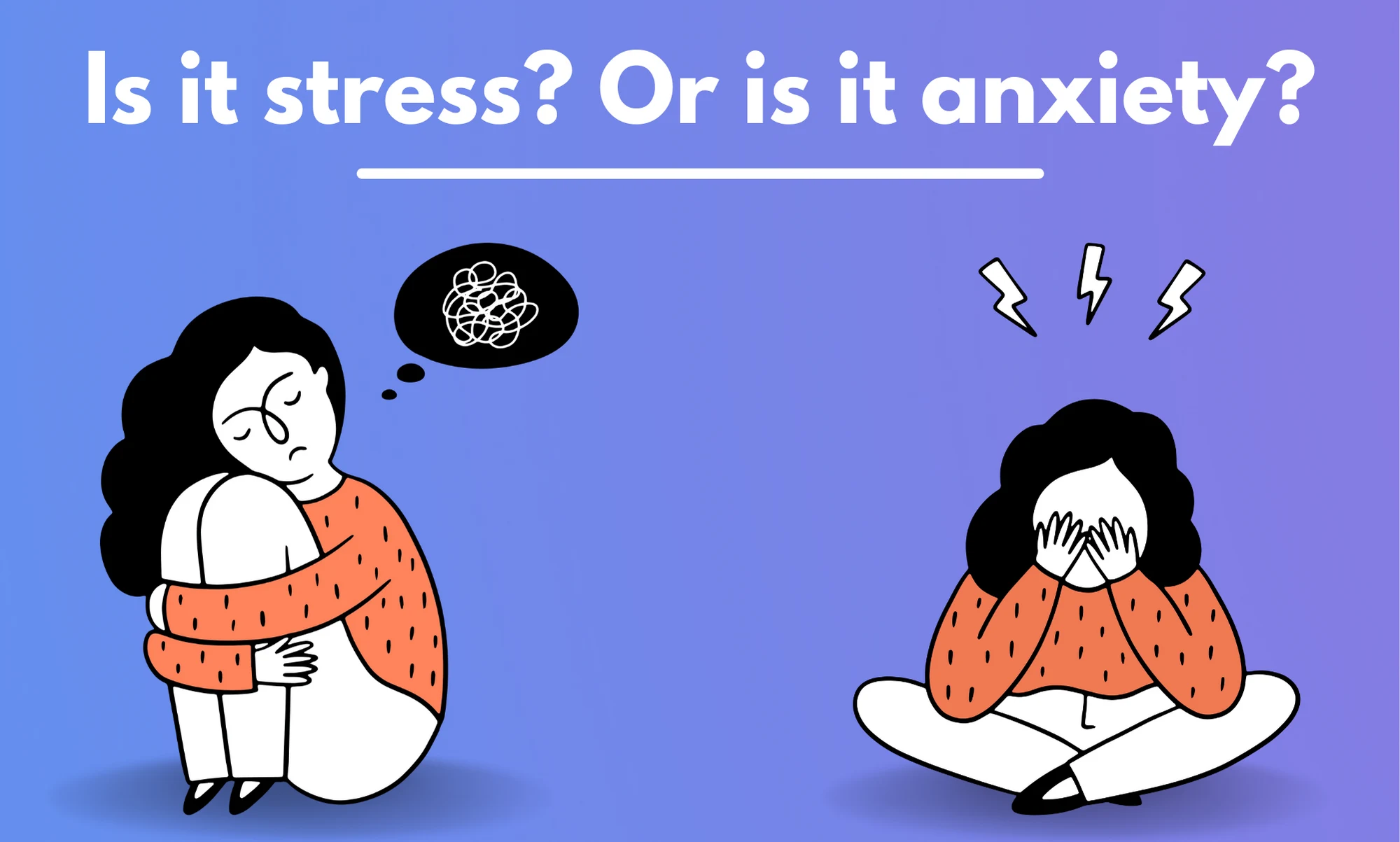
Stress and anxiety are words people often use interchangeably, but they do not always describe the same experience. Stress commonly appears in response to a recognisable pressure, such as a deadline, conflict, financial concern, or major change. Anxiety can include ongoing worry or unease that is difficult to settle, even when the immediate source of pressure is unclear. Both experiences can affect concentration, sleep, mood, and daily routines.
This distinction is a general guide, not a diagnosis. People experience pressure in different ways, and physical or emotional symptoms can have more than one cause. Persistent, severe, or worrying symptoms should be discussed with a qualified health professional.
Notice the Context and Pattern
Begin by asking what was happening when the feeling started. A stressful response may rise around a specific demand and ease when the situation changes or a task is completed. Anxiety may continue beyond the original event, move from one concern to another, or appear without an obvious trigger.
The duration and effect on daily life matter more than a single difficult day. Keep a simple note of when the feeling occurs, what thoughts accompany it, and whether it changes sleep, appetite, work, study, or relationships. The aim is to understand a pattern, not to judge yourself for having it.
Common Signs of Overload
Emotional pressure may show up as irritability, restlessness, racing thoughts, difficulty making decisions, or a sense of being overwhelmed. Some people notice muscle tension, headaches, stomach discomfort, a faster heartbeat, or changes in sleep. These signs are not specific to one condition, which is another reason to avoid self-diagnosis from a checklist.
If symptoms are sudden, intense, or accompanied by a medical emergency, seek urgent professional help. New physical symptoms should not automatically be assumed to be caused by stress.
Practical Ways to Reduce Immediate Pressure
Small actions can make a demanding moment easier to manage. Break a large task into the next concrete step, reduce avoidable interruptions, and write down priorities instead of holding everything in memory. A regular routine for meals, movement, rest, and sleep can also provide useful structure during unsettled periods.
- Pause and slow your breathing without forcing it.
- Step away briefly from a noisy or demanding environment when possible.
- Talk with a trusted person about the specific pressure you are facing.
- Limit repeated checking of upsetting news or messages.
- Choose one manageable action rather than trying to solve everything at once.
These approaches are supportive habits, not substitutes for professional care. Avoid promising yourself that one technique must work immediately. Different people benefit from different forms of support.
When to Ask for Help
Consider speaking with a qualified professional when worry or distress is persistent, difficult to control, or interfering with ordinary life. Support is also important if you are avoiding essential activities, relying on harmful coping methods, or feeling unable to stay safe. A professional can assess the wider context and discuss appropriate options.
When supporting someone else, listen without minimising the experience or trying to diagnose it. Ask what would feel helpful, encourage suitable professional support, and take statements about self-harm or immediate danger seriously by contacting local emergency or crisis services.
A More Useful Question
Instead of asking whether a feeling is “only stress” or “definitely anxiety,” ask how long it has lasted, what seems to influence it, and how much it is affecting daily life. That approach creates space for practical changes and timely support while respecting the fact that emotional wellbeing is personal and complex.