What is DNA Fingerprinting?
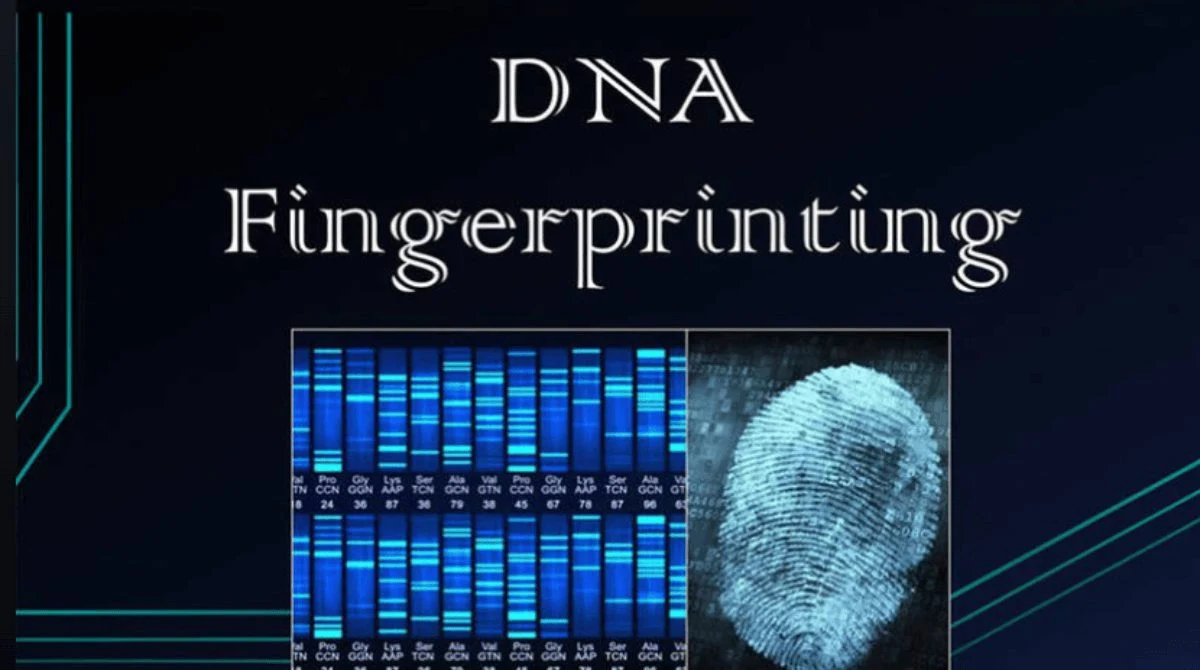
DNA fingerprinting, also known as DNA profiling, is like a unique barcode for each person. Just as every item in a store has its own price tag, every individual has a distinct genetic structure. This technique helps scientists identify people by examining their DNA. It’s become a powerful tool in criminal investigations, paternity tests, and even medical research.
How Does DNA Fingerprinting Work?
Understanding DNA fingerprinting is simpler than it sounds. Our DNA consists of tiny building blocks called nucleotides. Some parts of our DNA are unique to each individual, like a fingerprint. When scientists perform DNA fingerprinting, they look at these unique segments.
Imagine a jigsaw puzzle. Each piece represents a part of your DNA, and when you put the right pieces together, you get a complete picture of who you are. In DNA fingerprinting, researchers compare specific sections of DNA from different samples to see if they match.
Applications
1. Crime Scene Investigations
One of the most well-known uses of DNA fingerprinting is in solving crimes. When a crime happens, investigators can collect DNA samples from the crime scene, like hair or skin cells. By comparing these samples to DNA from suspects, they can determine who was at the scene. It’s like connecting the dots in a mystery, making it easier to pinpoint the culprit.
2. Paternity Testing
DNA fingerprinting also plays a crucial role in family matters. For instance, it can help prove fatherhood. In a paternity test, a child’s DNA is compared to that of the alleged father. If they share enough genetic markers, it’s almost certain they are related. This process can be emotional, but it provides clear answers in complex situations.
3. Genetic Research
Beyond crime and family, DNA fingerprinting aids scientists in medical research. By identifying genetic markers linked to diseases, researchers can understand inherited conditions better. This can lead to new treatments and therapies, ultimately improving health outcomes.
The Process of DNA Fingerprinting
1. Sample Collection
The first step in DNA fingerprinting is sample collection. This could be blood, saliva, or even a cheek swab. Think of it like gathering ingredients before cooking; you need the right elements to create something meaningful.
2. DNA Extraction
Following the collection of the sample, scientists carry out the extraction of DNA. This process involves breaking down the cell walls to release the DNA inside, akin to peeling an orange to get to the juicy fruit.
3. Analyzing DNA
Next comes the analysis phase. Scientists use various techniques to compare DNA samples. One common method is called PCR (Polymerase Chain Reaction), which makes copies of specific DNA sections. It’s similar to making multiple copies of a photo to share with friends.
4. Interpretation of Results
Finally, the results are interpreted. If the DNA markers match closely between samples, you can be fairly sure they come from the same source. It’s like finding identical twins in a family photo; you know they share a strong bond.
Its Impact
DNA fingerprinting has transformed law enforcement and medicine significantly. It not only helps solve crimes but also answers age-old questions about parentage. Moreover, it opens doors to incredible advances in genetics and personalized medicine. As research progresses, the potential for it continues to expand.
Conclusion
It is more than just a scientific technique; it’s a powerful tool that shapes our understanding of identity, relationships, and health. Like a detective’s magnifying glass, it brings clarity to complex questions and mysteries that surround us. With its wide range of applications, It will undoubtedly continue to influence the future of science and society.