The Microscopic Marvels of Modern Science
Nanorobots represent groundbreaking technological innovations that operate at the molecular scale. These microscopic machines promise transformative capabilities across multiple scientific domains. Researchers develop nanoscale devices capable of performing complex tasks with unprecedented precision.
How Nanorobots Function?
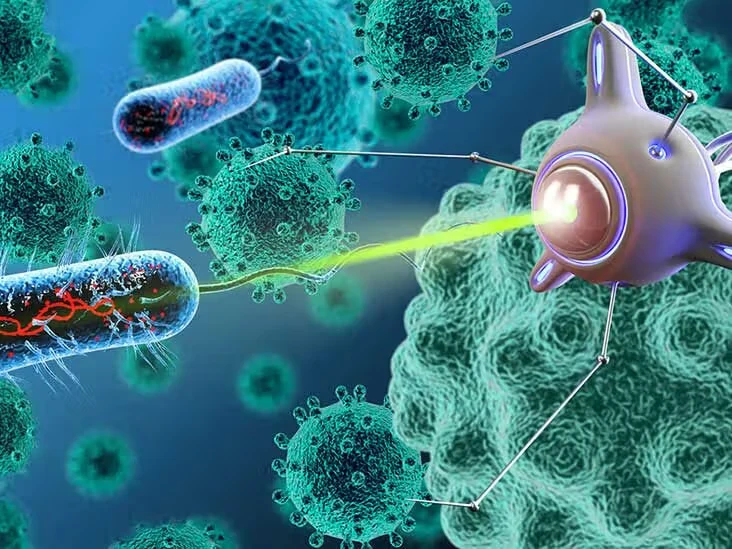
Small-scale machines are revolutionizing the field of medicine by traversing biological systems with exceptional precision. These innovative devices, often referred to as nanorobots, are engineered at the nanoscale, allowing them to navigate through the intricate environments of living organisms with remarkable accuracy. Researchers are at the forefront of this technological advancement, employing cutting-edge materials such as carbon nanotubes and DNA-derived frameworks to construct these sophisticated machines.
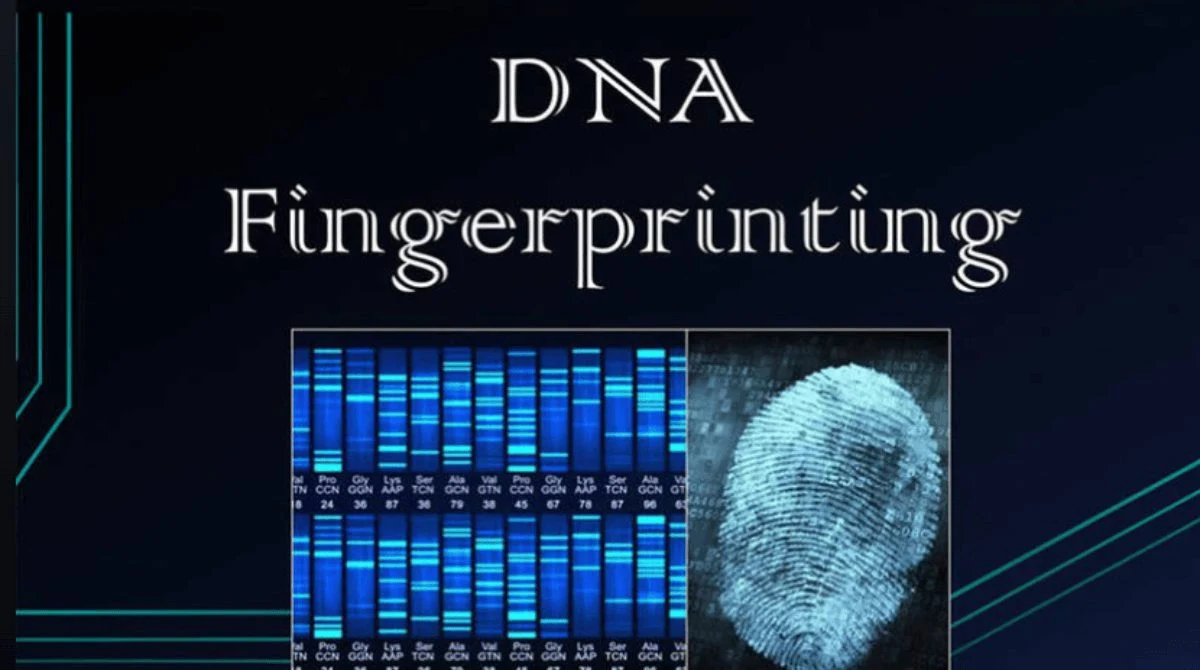
Carbon nanotubes, known for their strength, conductivity, and lightweight properties, serve as a robust foundation for the construction of nanorobots. Their unique structure enables the creation of highly efficient and durable devices that can withstand the complex conditions within the human body. Meanwhile, DNA-derived frameworks offer a versatile and programmable approach to nanorobot design. By harnessing the natural properties of DNA, researchers can create structures that can be precisely controlled and programmed to perform specific tasks.
The capabilities of these nanorobots are nothing short of groundbreaking. They are designed to interact with individual cells, allowing for targeted therapies that can significantly improve treatment outcomes. For instance, these devices can be programmed to seek out cancerous cells, delivering chemotherapy drugs directly to the tumor site while minimizing damage to surrounding healthy tissue. This targeted approach not only enhances the efficacy of the treatment but also reduces side effects, making it a more patient-friendly option.
In addition to drug delivery, nanorobots are also capable of executing minute repairs within the human body. They can identify and address cellular damage, repair tissues, and even assist in the regeneration of organs. This level of precision opens up new possibilities for regenerative medicine, where the focus is on restoring the body’s natural functions rather than merely treating symptoms. As research in this field continues to advance, the potential applications of small-scale machines in medicine are vast.
Medical Applications: A Healing Revolution
Nanorobots offer unprecedented medical treatment possibilities. They can:
- Detect and destroy cancer cells with exceptional precision.
- Remove arterial blockages without invasive surgical procedures.
- Repair damaged tissue at the cellular level.
- Monitor critical health parameters in real-time.
Diagnostic Capabilities
These miniature technological marvels enable early disease detection. Nanorobots can identify molecular changes before traditional diagnostic methods. They analyze bodily systems with incredible sensitivity, potentially transforming preventive healthcare strategies.
Engineering and Environmental Potential
Beyond medicine, nanorobots demonstrate versatility in multiple sectors. Environmental scientists explore their potential for:
- Cleaning microplastics from water systems.
- Detecting environmental pollutants.
- Repairing infrastructure at microscopic levels.
Technological Challenges and Ethical Considerations
While promising, nanorobot development faces significant challenges. Researchers must address:
- Complex manufacturing processes.
- Ensuring long-term biological compatibility.
- Developing reliable control mechanisms.
- Establishing comprehensive ethical guidelines.
Conclusion
Nanorobots represent a paradigm shift in technological innovation. These microscopic machines hold immense potential to revolutionize healthcare, environmental management, and scientific understanding. As research progresses, we stand on the cusp of a transformative technological era.