
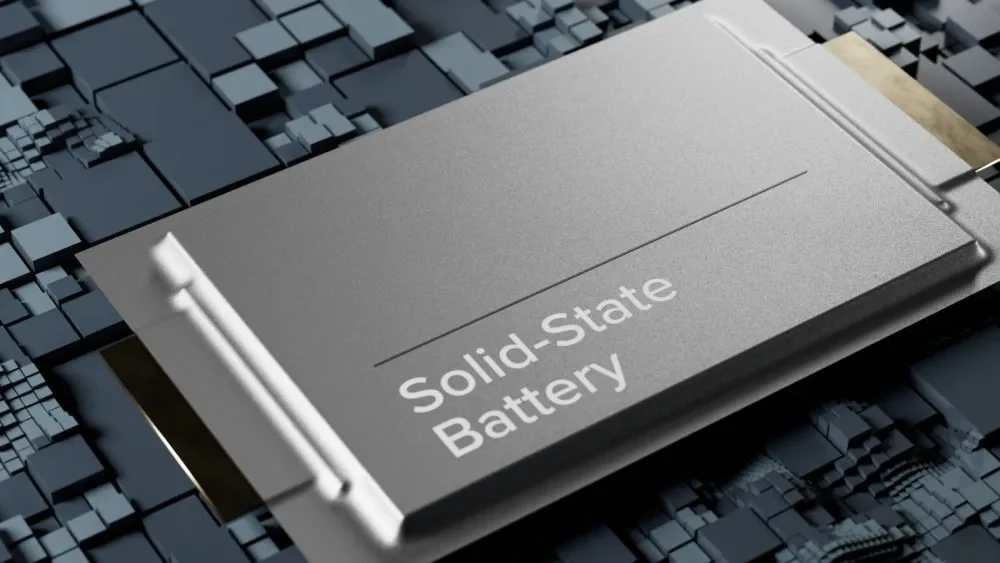
Electric vehicle adoption has long faced consumer hurdles including limited driving range, thermal safety concerns, and slow charge times. However, the commercial emergence of solid-state battery technology is addressing these pain points simultaneously by replacing volatile liquid electrolytes with dense, highly stable solid media.
Traditional lithium-ion batteries rely on liquid organic solvents to conduct ions between the cathode and anode. Under extreme temperatures or micro-punctures, these liquid solvents can ignite, leading to thermal runaway and persistent fires. Solid-state architectures eliminate liquid chemistry entirely, utilizing solid ceramic or polymer electrolytes that maintain structural stability across extreme temperature ranges.
Structural Innovations in Solid-State Cells
Beyond safety enhancements, solid-state batteries allow for the integration of lithium-metal anodes instead of traditional graphite. Replacing graphite with ultra-thin metallic lithium dramatically increases volumetric energy density, elevating energy storage from standard rates up to five hundred watt-hours per kilogram.
Advanced ceramic separators also prevent the formation of needle-like lithium structures called dendrites, preventing short circuits and significantly extending battery lifespan.
Real-World Electric Vehicle Improvements
The transition from laboratory testing to pilot-scale manufacturing delivers massive operational advantages for electric transportation. Passenger vehicles can transition from average single-charge ranges of two hundred and fifty miles to over six hundred miles within identical pack dimensions.
Additionally, solid electrolytes support higher current throughputs without triggering degradation, enabling fast-charging cycles from ten to eighty percent in under twelve minutes. The higher energy density also allows automakers to reduce battery pack weight by up to forty percent, improving overall vehicle handling and efficiency.
Supply Chains and Material Sourcing
Scaling solid-state battery production requires major modifications to global mineral supply chains. Because these cells rely heavily on high-purity lithium foil, solid ceramic electrolytes, and specialized nickel-manganese-cobalt formulations, mining and chemical processing facilities must adhere to far stricter purity standards. Companies that invest early in secure access to these refined raw materials are positioned to lead the automotive sector for the next several decades.
Frequently Asked Questions (FAQ)
Why haven't solid-state batteries completely replaced lithium-ion batteries yet?
Solid-state batteries have taken time to replace traditional lithium-ion batteries because manufacturing them at scale presented severe engineering challenges. Producing ultra-thin ceramic and solid polymer layers without surface defects requires specialized cleanroom facilities that are only now reaching commercial viability.
Are solid-state batteries safer than traditional EV batteries?
Solid-state batteries are significantly safer than traditional electric vehicle batteries because they eliminate flammable liquid electrolytes. This removes the risk of fire or explosion caused by thermal runaway, physical punctures, or high-speed fast charging.







Comments
Leave a Comment
Your email address will not be published. Required fields are marked *