
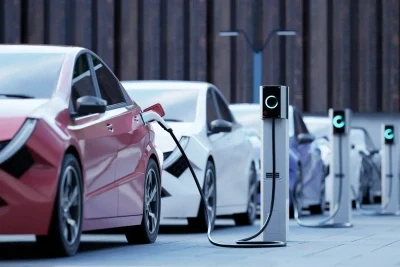
For the better part of the last decade, the narrative surrounding electric vehicles felt like an unstoppable march toward an inevitable, battery-powered future. Legacy automakers poured hundreds of billions of dollars into retooling manufacturing plants, governments rolled out aggressive phase-out dates for internal combustion engines, and early adopters lined up around the block to secure the latest zero-emission models. The prevailing message was simple: once you go electric, you never look back, and the rest of the world would soon follow in lockstep.
Today, that breathless momentum has hit a very real, very complex speed bump. Across showrooms and dealership lots worldwide, the automotive industry is witnessing a palpable shift in consumer sentiment. Buyers are not necessarily rejecting electric cars outright, but they are suddenly pausing, recalculating, and deeply rethinking their choices.
This hesitation is not born out of a sudden aversion to saving the planet or an unwillingness to embrace new technology. Instead, everyday drivers are grappling with a convergence of practical realities, shifting economic pressures, and infrastructural bottlenecks that early industry forecasts conveniently glossed over. Understanding this new challenge requires looking past corporate press releases and listening directly to what drivers experience when the showroom lights go down.
The Reality Check: Infrastructure, Range, and Real-World Friction
When the first wave of modern electric cars hit the market, they were largely purchased by tech enthusiasts, suburban homeowners with dedicated garage charging setups, and multi-car households who could easily absorb the occasional inconvenience. For this demographic, a vehicle with a three-hundred-mile range was more than enough for daily commutes and weekend grocery runs.
As automakers attempt to cross the chasm into the mass market—reaching apartment dwellers, urban renters, and suburbanites without home charging—the friction points multiply exponentially.
The Charging Desert: While fast-charging networks have expanded, reliability remains an ongoing headache. Broken stalls, long lines during peak holiday travel, and confusing payment apps turn a routine refueling stop into a stressful logistical puzzle.
The Cold Weather Penalty: Battery chemistry does not operate in a vacuum. Winter temperatures can drastically reduce real-world driving range, shocking drivers who expected their vehicle to perform identically in sub-zero blizzards as it did on sunny summer afternoons.
Resale Value Anxiety: Perhaps the most potent psychological barrier for hesitant buyers is the rapid depreciation curve. Seeing early-generation models drop in value faster than anticipated has left mainstream consumers wary of locking themselves into a rapidly evolving technological asset.
These are not insurmountable engineering problems, but they represent everyday inconveniences that traditional gasoline vehicles simply do not possess. For a family buying their primary mode of transportation, the calculation is no longer just about fuel savings; it is about lifestyle friction.
Economic Pressures and the Subsidy Squeeze
Beyond the physical realities of driving and charging, the macroeconomic landscape has shifted underneath the feet of prospective buyers. High interest rates, persistent inflation, and rising living costs mean that household budgets are tighter than they were during the initial EV boom.
Initially, generous government tax credits and rebates acted as a powerful psychological and financial cushion, bridging the gap between high sticker prices and consumer willingness to pay. However, as tax policies evolve, eligibility requirements tighten, and manufacturers grapple with compressed profit margins, the upfront cost of purchasing an electric car remains stubbornly high compared to comparable internal combustion or hybrid alternatives.
Furthermore, insurance premiums for electric vehicles continue to outpace those of traditional gas cars. Because minor fender-benders often involve expensive battery pack inspections or specialized bodywork that cannot be repaired by local mechanics, insurance underwriters price that risk directly into monthly premiums. When a buyer does the math—factoring in vehicle price, insurance hikes, home charger installation costs, and depreciation—the financial savings of skipping the gas station often take years to materialize.
The Hybrid Resurgence: The Middle Ground Consumers Crave
Perhaps the clearest indicator that buyers are rethinking their choices is the explosive resurgence of hybrid and plug-in hybrid electric vehicles. While pure electric vehicle sales growth has decelerated from its breakneck pace, hybrid models are flying off dealership lots.
Consumers are voting with their wallets for a pragmatic middle ground. Hybrids offer a psychological safety net: drivers get improved fuel efficiency, reduced emissions, and a taste of electric torque without any of the range anxiety or charging infrastructure stress. If a road trip takes them through a remote area with zero charging stations, they simply pull into a standard gas station and continue their journey in two minutes flat.
This market behavior sends a clear signal to legacy automakers. Mainstream buyers do not want an all-or-nothing ultimatum; they want flexibility, reliability, and seamless integration into their existing daily habits.
Frequently Asked Questions (FAQ)
Why are buyers hesitating to purchase electric cars now?
Buyers are pausing due to a mix of practical concerns, including uneven public charging infrastructure, winter range degradation, high upfront purchase prices, expensive insurance rates, and steep vehicle depreciation.
Are electric vehicle sales actually declining?
Overall sales are not necessarily shrinking, but the rate of growth has slowed down significantly compared to previous years. The market has moved past early adopters into a more cautious mainstream consumer base.
Why are hybrids becoming so popular again?
Hybrids offer consumers the best of both worlds: lower fuel consumption and reduced emissions without the range anxiety, charging infrastructure hurdles, or high price tags associated with pure electric vehicles.
How do charging infrastructure issues impact daily ownership?
For drivers who cannot install a Level 2 charger at home—such as apartment residents—relying entirely on public fast chargers can be time-consuming, expensive, and frustrating due to maintenance issues at charging stations.
Conclusion:
The current friction facing the electric vehicle market should not be interpreted as the end of the road for electrification. Rather, it represents a necessary and sobering reality check. The honeymoon phase of the EV transition is officially over, replaced by a mature, highly discerning consumer market that demands genuine value, convenience, and reliability.
For automakers, winning over this next wave of buyers will require more than flashy marketing campaigns or promises of futuristic autonomy. It demands relentless investment in public infrastructure reliability, more affordable vehicle options, transparent battery warranties, and a willingness to meet consumers wherever they currently stand on their journey toward sustainable mobility.








Comments
Leave a Comment
Your email address will not be published. Required fields are marked *