
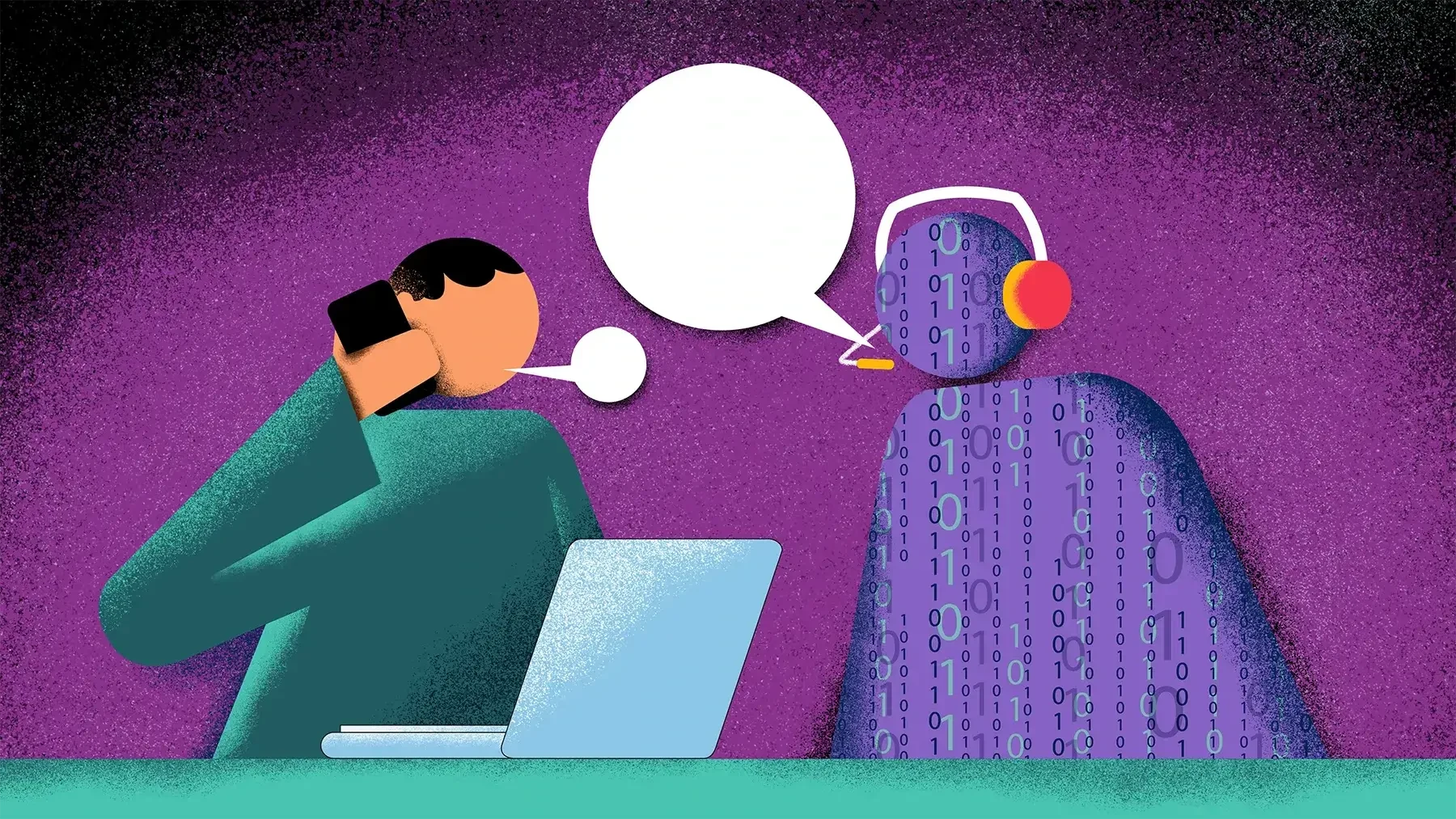
The landscape of online crime has undergone a fundamental transformation over the past few years. What once required Hollywood-grade production studios, specialized visual effects software, and teams of technical experts can now be executed by anyone with an internet connection and a modest budget. Criminals no longer rely solely on poorly worded phishing emails or obvious script-reading scams. Instead, they are deploying sophisticated, AI-generated synthetic media—commonly known as deepfakes—to manipulate human trust, bypass biometric security checks, and execute large-scale financial fraud.
As these technologies scale, understanding how modern AI fraud operates is no longer an optional luxury for cybersecurity professionals; it is an essential survival skill for everyday digital citizens, corporate finance workers, and vulnerable families alike.
The Shift from Text Phishing to Synthetic Media
For decades, digital scams relied heavily on text-based manipulation. Victims were conditioned to look for red flags such as spelling mistakes, awkward grammar, sender addresses that did not quite match legitimate organizations, and an urgent demand for immediate action.
Generative artificial intelligence has effectively erased those traditional warning signs. Modern deepfake tools can generate flawless, natural-sounding voice clones using mere seconds of public audio—such as a clip from a corporate podcast, a social media video, or a local news interview. Similarly, generative video models can map facial movements onto synthetic or real frames with startling fidelity, making it nearly impossible for the human eye to spot anomalies during a standard video call or recorded clip.
This evolution has shifted fraud from an impersonal numbers game into highly targeted, intimate attacks. Cybercriminals routinely scrape public profiles to study how targets speak, what slang they use, and who they associate with. They then weaponize this data to simulate trusted colleagues, corporate executives, or close family members.
The Anatomy of a Modern Deepfake Scam
Deepfake fraud generally manifests across a few distinct vectors, each designed to exploit specific human vulnerabilities or operational blind spots.
1. The Executive Impersonation and Business Email Compromise (BEC)
Corporate environments have become prime targets for advanced synthetic media. In classic business email compromise schemes, criminals posed as executives via text or email to request urgent wire transfers. Today, attackers escalate these plots by staging live video conferences or voice calls.
In high-profile international incidents, financial controllers and regional managers have been tricked into transferring millions of dollars after attending video meetings where synthetic representations of their chief executive officer and board members instructed them to bypass standard compliance protocols. The visual and auditory cues felt entirely authentic, leaving employees convinced they were obeying direct orders from company leadership.
2. Family Emergency and Distress Scams
Individuals are increasingly targeted in their personal lives through voice-cloning schemes. Cybercriminals capture short audio clips of children, grandchildren, or spouses from social media accounts. They then use AI voice generators to recreate their exact vocal timbre, cadence, and emotional distress.
A typical scenario involves a late-night phone call to an older adult. The receiver hears what sounds precisely like their grandchild screaming in terror, claiming to have been in a car crash or arrested, followed by an impostor posing as a lawyer or police officer demanding an immediate cash ransom via cryptocurrency or peer-to-peer payment apps. The sheer emotional shock short-circuits rational skepticism, leading victims to send funds before they attempt to verify the story independently.
3. Biometric Bypass and Digital Identity Fraud
Beyond deceiving human perception, deepfakes are heavily utilized to defeat digital security infrastructure. Financial institutions, crypto exchanges, and remote onboarding platforms rely on facial recognition and motion-based biometric checks to verify customer identities.
Fraudsters now employ "injection attacks" and synthetic face-swaps—often facilitated by specialized software sold on underground forums—to feed fake video streams directly into webcams and verification portals. This allows criminal syndicates to open fraudulent bank accounts, secure lines of credit, or launder money using synthetic identities that appear entirely legitimate to automated security filters.
Practical Defense Strategies: How to Protect Yourself
Because technology has made synthetic media difficult to spot purely by looking or listening, defense must rely heavily on process and protocol rather than raw sensory perception.
Institute Out-of-Band Verification: If anyone—regardless of how senior they appear on a video call or how familiar their voice sounds on the phone—requests an urgent financial transfer, a password reset, or a change in payment details, stop immediately. Disconnect the session and verify the request through an independent, pre-established communication channel.
Establish Shared Family Passwords: Families, particularly those with elderly relatives, should agree upon a secret verbal passphrase or code word. If an emergency call comes in, asking for this passphrase instantly exposes an AI imposter who lacks the private knowledge.
Slow Down Under Pressure: Scammers intentionally manufacture artificial panic, tight deadlines, or demands for absolute confidentiality to prevent you from thinking clearly. Treat high-pressure tactics as an immediate trigger to slow down and verify.
Limit Digital Footprint: Minimize the amount of clean, high-definition audio and video data of your voice and face available on public social media profiles. The less raw material a bad actor has access to, the harder it is to build an accurate clone.
Frequently Asked Questions (FAQ)
Q: What is a deepfake scam?
A: A deepfake scam is a form of fraud where artificial intelligence—such as voice cloning or synthetic video generation—is used to impersonate a real person (like a CEO, relative, or public official) to deceive victims into transferring money, sharing confidential data, or bypassing security controls.
Q: How can I tell if a video or phone call is an AI deepfake?
A: While technology makes deepfakes increasingly realistic, look for subtle technical glitches such as unnatural blinking patterns, minor audio-video desynchronization, digital artifacts around the edges of the face, or a flat, robotic emotional inflection during high-stress moments. However, because human detection rates are low, relying solely on visual or auditory inspection is risky.
Q: What should I do if I suspect a family member's distress call is fake?
A: Always hang up and call the person back using a pre-established, trusted phone number that you know belongs to them. Alternatively, ask a private "security question" that an automated AI or a stranger would not know the answer to, such as a childhood memory or a specific shared detail.
Q: How are organizations protecting themselves against AI-powered fraud?
A: Enterprises are implementing out-of-band verification policies, establishing multi-person approval workflows for financial transactions, adopting specialized presentation-attack detection software, and conducting multi-channel employee training simulations.
Conclusion:
Deepfake fraud marks a permanent shift in the digital threat landscape. As generative models continue to advance, trusting our eyes and ears implicitly is no longer safe. By shifting our defensive posture toward rigorous verification habits, multi-factor operational controls, and healthy skepticism toward sudden digital emergencies, individuals and organizations can neutralize the deceptive power of AI-driven fraud.








Comments
Leave a Comment
Your email address will not be published. Required fields are marked *