
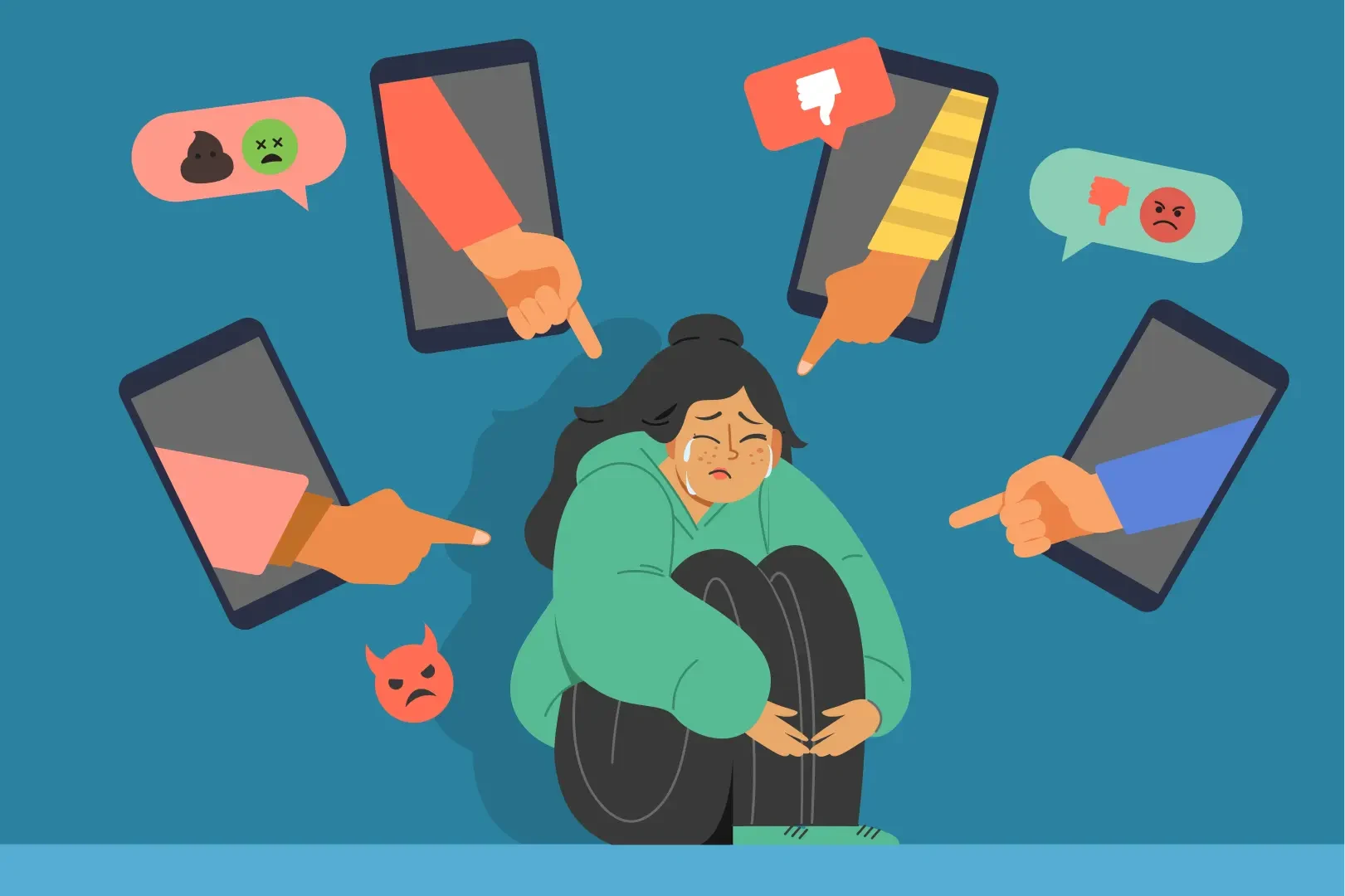
The digital revolution has fundamentally transformed the way children and adolescents learn, socialize, and construct their identities. Educational software, virtual classrooms, and instant global connectivity offer unprecedented learning opportunities. However, the ubiquitous integration of smartphones and social media platforms into everyday youth culture has also unleashed a darker reality. Cyberbullying has quietly evolved from an isolated digital nuisance into a pervasive global education crisis, threatening the mental health, academic performance, and safety of students worldwide.
The Anatomy of Modern Digital Harassment
Unlike traditional schoolyard bullying—which typically remained within physical school grounds and ended when the final bell rang—cyberbullying follows victims into the supposed sanctuary of their homes. It operates 24 hours a day, seven days a week, across social media apps, instant messaging services, and online multiplayer gaming networks.
The psychological barrier to cruelty is dramatically lowered behind the veil of a digital screen. Harassers can hide behind anonymous profiles or pseudonyms, emboldened by a mob mentality that amplifies hurtful behavior without immediate face-to-face accountability.
The manifestations of digital abuse are varied and deeply damaging:
Exclusion and Ostracism: Deliberately locking peers out of group chats, online gaming sessions, or social circles to inflict emotional isolation.
Impersonation and Doxing: Stealing social media accounts, posting embarrassing fabricated content, or leaking private personal information and photographs.
Targeted Harassment Campaigns: Orchestrating coordinated hate messages or viral mockery across multiple platforms to overwhelm the victim.
The psychological toll is profound. Victims frequently experience chronic anxiety, severe depression, sleep disorders, social withdrawal, and, in tragic cases, heightened suicidal ideation.
The Ripple Effect on Educational Environments
The devastation caused by online harassment does not stay confined to cyberspace; it bleeds directly into the physical classroom. Students who are targeted online often experience sharp declines in academic performance, chronic absenteeism, and an inability to concentrate during lessons. The constant state of hyper-vigilance required to navigate digital hostility leaves students emotionally exhausted and drained of cognitive resources.
Schools find themselves caught in a complex regulatory and disciplinary grey area. Administrators struggle to police off-campus digital behavior that severely disrupts on-campus learning environments. Teachers and school counselors, already overburdened with academic responsibilities, are often unequipped to handle the technical sophistication and emotional fallout of modern online abuse. Traditional anti-bullying assemblies and zero-tolerance policies designed for the pre-smartphone era are proving entirely inadequate against encrypted group chats and algorithms engineered to maximize engagement through sensationalism.
Building a Safer Digital Ecosystem
Protecting the next generation from this crisis requires a coordinated, multi-layered defense strategy involving technology companies, educational institutions, parents, and policymakers.
1. Corporate and Platform Accountability
Technology companies must shoulder greater responsibility for the safety of their younger users. This involves implementing robust, friction-free age-verification protocols, deploying proactive content moderation tools to detect harassment swiftly, and streamlining reporting mechanisms. Platforms should automatically restrict direct messaging from unknown accounts to minors and limit viral sharing mechanisms that amplify abusive content.
2. Comprehensive Digital Literacy in Schools
Curricula must evolve to reflect modern realities. Digital citizenship education cannot remain an afterthought; it must be woven directly into core subjects. Students need dedicated guidance on developing online empathy, understanding the permanence of digital footprints, recognizing algorithmic manipulation, and mastering practical de-escalation and blocking techniques.
3. Cultivating Open Communication at Home
Parents and educators must foster environments of absolute trust where young people feel safe reporting digital harassment. Too often, victims suffer in silence out of fear that adults will confiscate their devices, effectively punishing the victim and cutting them off from their support networks. Adults must listen without judgment and validate the emotional reality of online pain.
The digital world is here to stay, and connectivity is essential to modern learning. However, ensuring that virtual spaces remain safe, supportive environments for human development is the defining educational challenge of our time.
Frequently Asked Questions (FAQ)
Q: How does cyberbullying differ fundamentally from traditional school bullying?
A: Cyberbullying utilizes digital devices and social platforms, allowing harassment to continue 24/7 regardless of physical location. It often involves anonymity, reaches a massive audience instantly, and makes it nearly impossible for victims to escape the abuse even inside their own homes.
Q: What are the primary warning signs that a student is experiencing cyberbullying?
A: Warning signs include sudden withdrawal from social activities and family time, drastic changes in mood or sleep patterns, extreme reluctance to use or look at smartphones and computers, sudden drops in academic performance, and unexplained anxiety after checking notifications.
Q: What role should social media companies play in preventing digital harassment?
A: Platforms bear responsibility for implementing stringent safety-by-design principles, including strict age-verification, proactive moderation of abusive content, easy-to-use reporting tools, and restrictions that prevent strangers from messaging minor accounts.
Q: How can schools better support students dealing with online abuse?
A: Schools can integrate comprehensive digital citizenship into their curricula, train educators and counselors to spot the psychological signs of digital distress, and establish clear, supportive reporting channels where students feel safe seeking help without fear of losing their device access.







Comments
Leave a Comment
Your email address will not be published. Required fields are marked *