Anemia: Causes and Symptoms
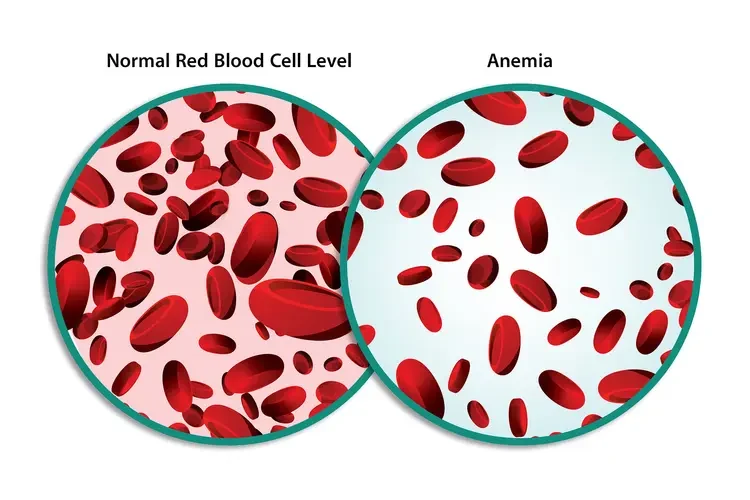
Anemia is a widespread blood disorder that impacts millions of people around the globe. It happens when your body doesn’t have enough healthy red blood cells or hemoglobin. Hemoglobin is crucial because it carries oxygen from your lungs to the rest of your body. When those levels drop, your body struggles to function properly. By understanding what causes anemia and recognizing its symptoms, you can catch it early and get the right treatment.
What Is Anemia?
Anemia occurs when the blood’s ability to carry oxygen is diminished. This condition can lead to feelings of fatigue, weakness, and a host of other health issues. There are various types of anemia, but they all have one thing in common: they result in an inadequate oxygen supply to the body’s tissues. It can be a temporary issue or something that lasts longer, with symptoms that can range from mild to quite severe.
Common Causes:
There are several reasons why someone might develop anemia.
- The most prevalent cause is iron deficiency. Iron is essential for producing hemoglobin, and without enough of it, your body struggles to create healthy red blood cells. This often stems from a poor diet, blood loss, or issues with absorption.
- Another culprit can be vitamin deficiency. Low levels of vitamin B12 or folate can hinder the production of red blood cells. Those with inadequate diets, digestive issues, or alcohol dependence are particularly at risk.
- Chronic illnesses like kidney disease, cancer, or rheumatoid arthritis can also lead to anemia, as these conditions interfere with the body’s ability to produce red blood cells effectively.
- Blood loss, whether it’s sudden or ongoing, is another significant factor. Women with heavy menstrual cycles or individuals experiencing gastrointestinal bleeding may find themselves facing this type of anemia.
- Some forms of anemia are inherited. Sickle cell anemia and thalassemia are genetic disorders that impact the shape and function of red blood cells.
Symptoms:
Anemia is a condition that often creeps up on you, with symptoms that can be easy to overlook at first. But as it progresses, you’ll start to notice some telltale signs.
- The most prevalent one is fatigue—you might feel unusually weak or tired, even after a good night’s sleep.
- Another obvious indicator is pale skin, which happens due to decreased blood flow or low levels of hemoglobin.
- You might also experience shortness of breath, dizziness, and a racing heartbeat, particularly when you’re exercising or feeling stressed.
- Some individuals may find themselves with cold hands and feet, headaches, or even chest pain.
- In more severe cases, anemia can lead to fainting spells or heart issues.
- For children, anemia might manifest as delayed growth or difficulty concentrating in school.
If you find yourself experiencing these symptoms frequently, it’s crucial to consult a doctor. A straightforward blood test can help confirm whether you have anemia and identify its underlying cause.
Conclusion:
While anemia is a serious health concern, it’s also something that can be managed effectively with the right strategies. Understanding the causes and symptoms is key to catching it early and getting the treatment you need. Incorporating iron-rich foods, taking vitamin supplements, or exploring medical treatments can help boost your red blood cell levels. Always reach out to a healthcare professional for an accurate diagnosis and appropriate care. With the right focus, anemia can be managed and even reversed.