
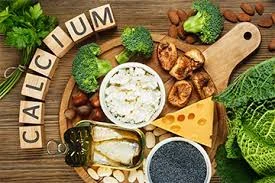
Calcium is an essential mineral used in bones and teeth and in processes including muscle contraction, nerve signalling and blood-vessel function.
How much calcium is needed?
Calcium requirements vary according to age, sex and life stage. National health authorities publish recommended intake levels, so one amount should not be presented as appropriate for every person.
Dairy foods
Milk, yogurt and cheese can provide substantial amounts of calcium. The exact amount varies by product and serving size.
Fortified foods
Some plant-based drinks, breakfast cereals and other foods have calcium added during manufacturing. Check the nutrition label because fortification levels vary.
Tofu
Some tofu made with calcium salts can be a useful calcium source. Again, the amount depends on how the product was manufactured.
Fish
Canned sardines and salmon eaten with their soft edible bones can provide calcium.
Beans, seeds and vegetables
Some beans, sesame products, chia seeds and green vegetables contribute calcium. Absorption differs between foods because certain plant compounds can reduce calcium availability.
Supplements
People who cannot meet their needs through food may sometimes use supplements, but more is not necessarily better. Excessive supplemental calcium can cause problems and may interact with medicines.
Anyone concerned about calcium deficiency, osteoporosis or supplementation should discuss individual needs with an appropriate healthcare professional.







Comments
Leave a Comment
Your email address will not be published. Required fields are marked *