
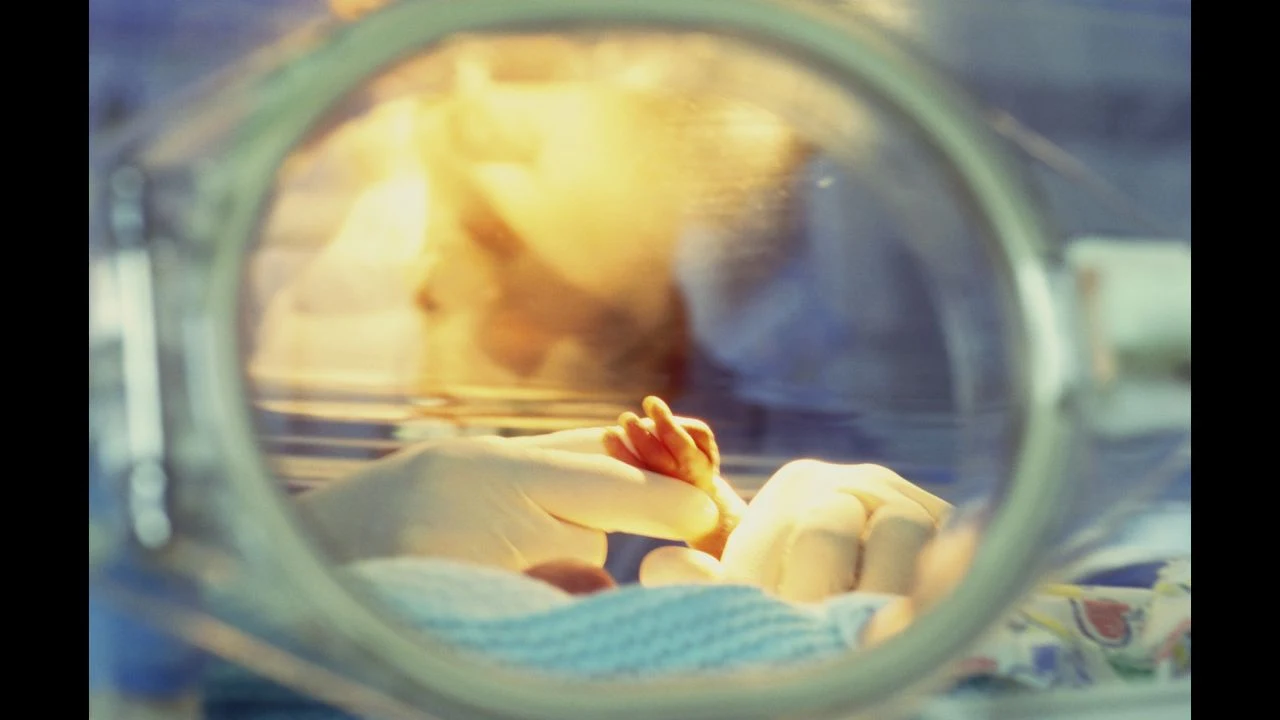
Spina bifida is a neural tube defect that develops very early in pregnancy when part of the structure that forms the brain and spinal cord does not close completely. It can affect the spine, spinal cord and nerves, but its effects differ substantially from one person to another.
What spina bifida can mean
The US National Library of Medicine explains that symptoms vary by the type and location of the defect. Some people have mild effects, while others may experience weakness or paralysis in the legs, bladder or bowel difficulties, hydrocephalus, orthopaedic problems or learning difficulties. It is inaccurate to assign everyone with spina bifida the same prognosis or lifespan.
Spina bifida is not contagious and is not simply a “spinal cord disease.” It is a congenital condition with several recognised forms. Care needs depend on the individual rather than on a single description of the condition.
Causes and risk factors
The precise cause is not always known. Reliable medical guidance describes a combination of genetic and environmental factors. Low folate levels during early pregnancy are an established modifiable risk factor, while some health conditions, medicines and other circumstances can also affect risk. A single factor should not be presented as the cause of every case.
Folic acid and prevention
Neural tube development begins before many people know they are pregnant. The World Health Organization recommends 400 micrograms of folic acid daily from the time a person begins trying to conceive through the first 12 weeks of pregnancy. The US Centers for Disease Control and Prevention likewise explains that adequate folic acid before and during early pregnancy helps prevent neural tube defects.
People with a previous neural-tube-defect-affected pregnancy or other higher-risk circumstances may need different clinical advice. They should speak with a qualified healthcare professional rather than selecting a high-dose supplement without guidance.
Diagnosis and care
Screening during pregnancy can identify some neural tube defects through blood tests and ultrasound, with further assessment when indicated. Some forms are identified only after birth. No screening method or scan should be presented as a guarantee.
Management may involve specialists in paediatrics, neurosurgery, urology, orthopaedics, rehabilitation, physiotherapy and other fields. Treatment and support are tailored to the person’s needs and can continue through adulthood. This article provides general education and is not a diagnosis or treatment plan.






Comments
Leave a Comment
Your email address will not be published. Required fields are marked *