Treatment and prevention of diseases
What is cardiology?
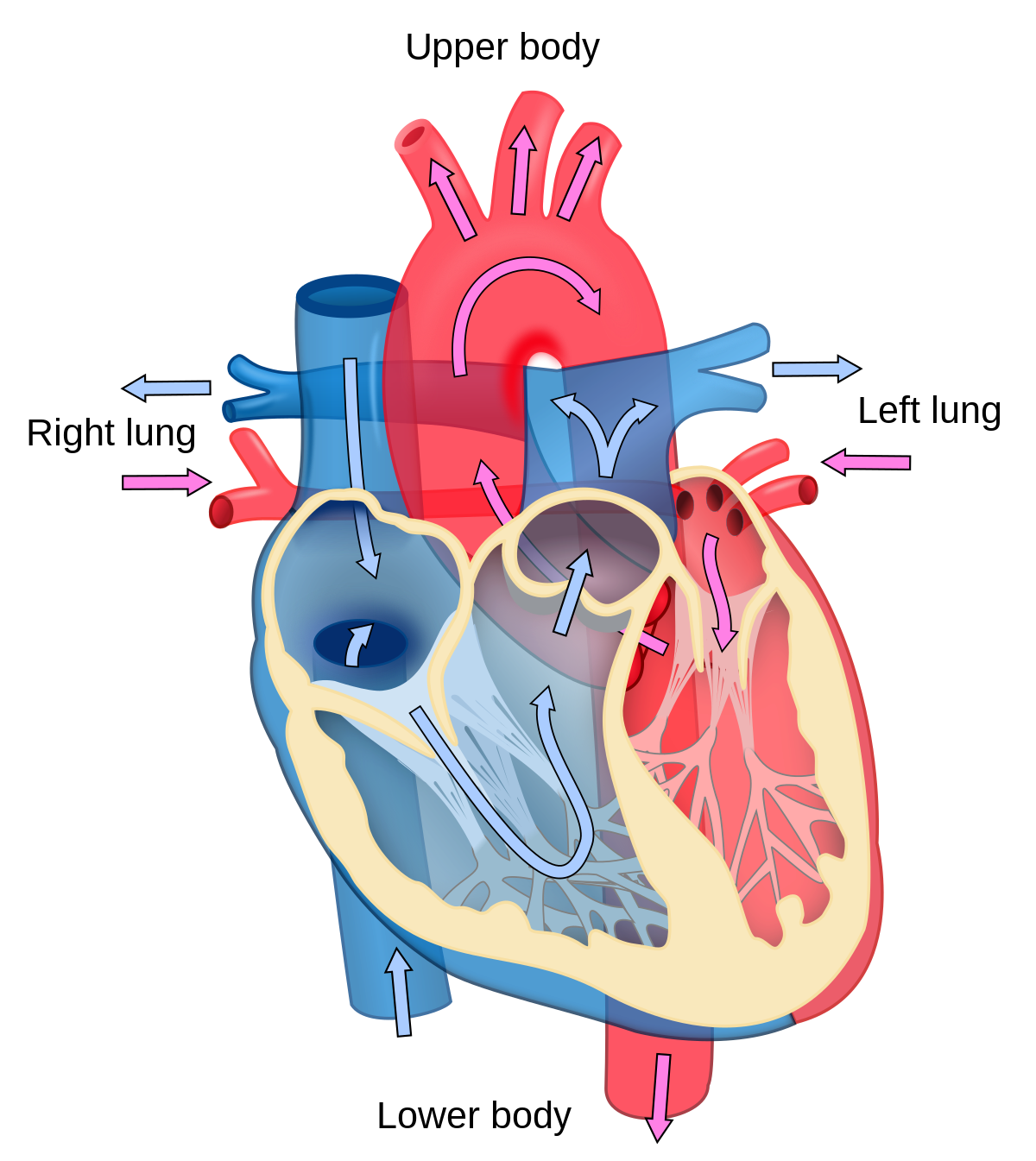
It is the branch of medicine that deals with the diagnosis, treatment and prevention of diseases and abnormalities of the heart, blood vessels and other parts of the cardiovascular system.
What are cardiology doctors called?
A cardiologist is a doctor trained in the treatment and prevention of diseases of the heart, blood vessels, and cardiovascular system.
Clinical cardiologists are cardiologists who specialize in the diagnosis and treatment of diseases of the cardiovascular system. While interventional cardiologists are educated and trained in the prevention. And treatment of diseases of the entire cardiovascular system.
Additionally, there are pediatric cardiologists/surgeons who diagnose and treat heart problems in children and those who perform similar medical procedures in adults are often called adult cardiac surgeons.
When is it time to see a cardiologist?
Common symptoms that should set off alarm bells in your head that it’s time to see a cardiologist include:
1. Pain or discomfort that radiates to the shoulders, neck, arms, or jaw.
2. Chest pain that becomes more severe.
3. Chest pain that does not go away with rest
4. Chest pain with following symptoms:
Sweating, chills, clammy skin, and/or paleness
B Shortness of breath
c Nausea or vomiting
d Dizziness or fainting
e Unexplained weakness or fatigue
f Rapid or irregular pulse
5. Jaw, neck, upper back, and/or chest pain
6. Difficulty swallowing
7. Heartbeat
8. Anxiety
9. Low blood pressure
What do cardiologists treat?
Any of the above symptoms can tell you whether your heart. Is under stress or a medical condition is developing inside your body. You should consult the nearest cardiologist for a detailed checkup/examination to improve your lifestyle. Heart diseases that are common include:
1. Abnormal heart rhythm
2. Coronary artery disease
3. Atherosclerosis, Arteriosclerosis and Arteriolosclerosis
4. Heart valve disease
5. Congenital heart disease
6. Cardiomyopathies
7. Pericarditis and Endocarditis
8. Aortic disease and Marfan syndrome
9. Ischemic heart disease
10. Mental diseases (paralysis)
11. Peripheral vascular disease
12. Heart failure
13. Rheumatic heart disease
14. High blood pressure
15. Aortic Dissection and Aneurysm
16. Cardiac Dysrhythmias and Tachycardia
17. Acyanotic heart disease
18. Cyanotic heart disease
19. Shock.
20. Vasculitis