
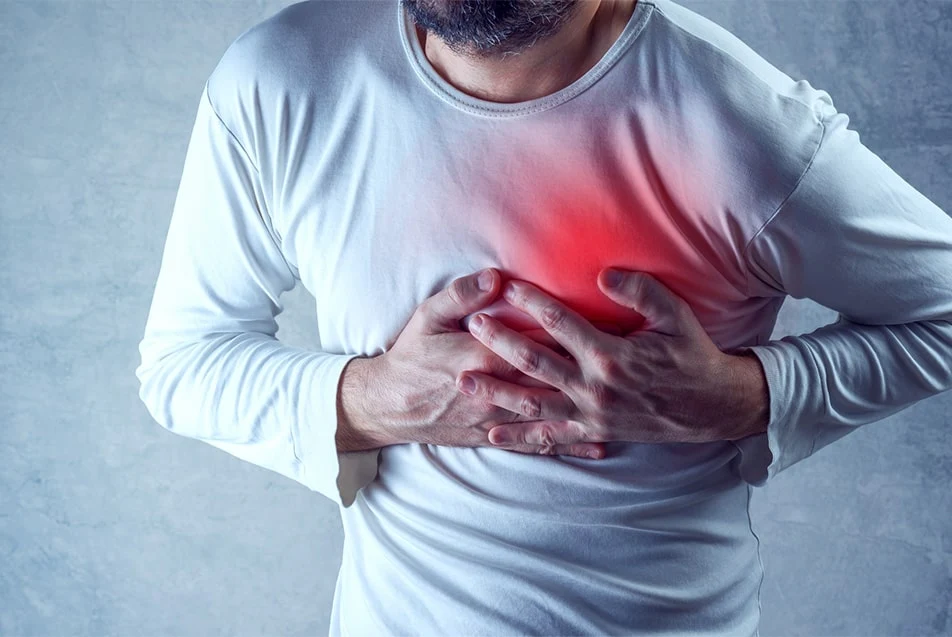
A heart attack and heart failure are serious conditions, but they are not the same. A heart attack is an acute event caused by interrupted blood flow to part of the heart muscle. Heart failure is a condition in which the heart cannot pump enough oxygen-rich blood to meet the body’s needs.
What happens during a heart attack?
A heart attack can damage heart muscle when blood flow is blocked. The National Library of Medicine lists chest pressure, squeezing, fullness or pain as common warning signs. Shortness of breath and discomfort in the arms, back, shoulders, neck, jaw or upper abdomen can also occur. Some people experience nausea, vomiting, dizziness or unusual fatigue.
Possible heart-attack symptoms require emergency help. Do not wait for symptoms to become severe or attempt to diagnose them at home.
What is heart failure?
Heart failure does not mean that the heart has stopped. It means the heart is not pumping effectively enough. It may develop gradually because of conditions such as coronary artery disease, high blood pressure, heart-valve disease or previous heart damage.
The official MedlinePlus heart-failure overview describes symptoms including shortness of breath, fatigue, coughing, difficulty lying flat, and swelling or weight gain caused by fluid buildup.
How the conditions are connected
A heart attack can weaken or damage heart muscle and may contribute to heart failure. However, heart failure can also have other causes and often develops over time.
Diagnosis and treatment depend on a medical assessment. Sudden chest discomfort, severe breathlessness, fainting or rapidly worsening symptoms should be treated as an emergency.




Comments
Leave a Comment
Your email address will not be published. Required fields are marked *