
Shortness of breath, or dyspnea, is the feeling that breathing is difficult or that not enough air is reaching the lungs. It can occur after exertion, but it can also be a symptom of a medical condition.
Possible causes
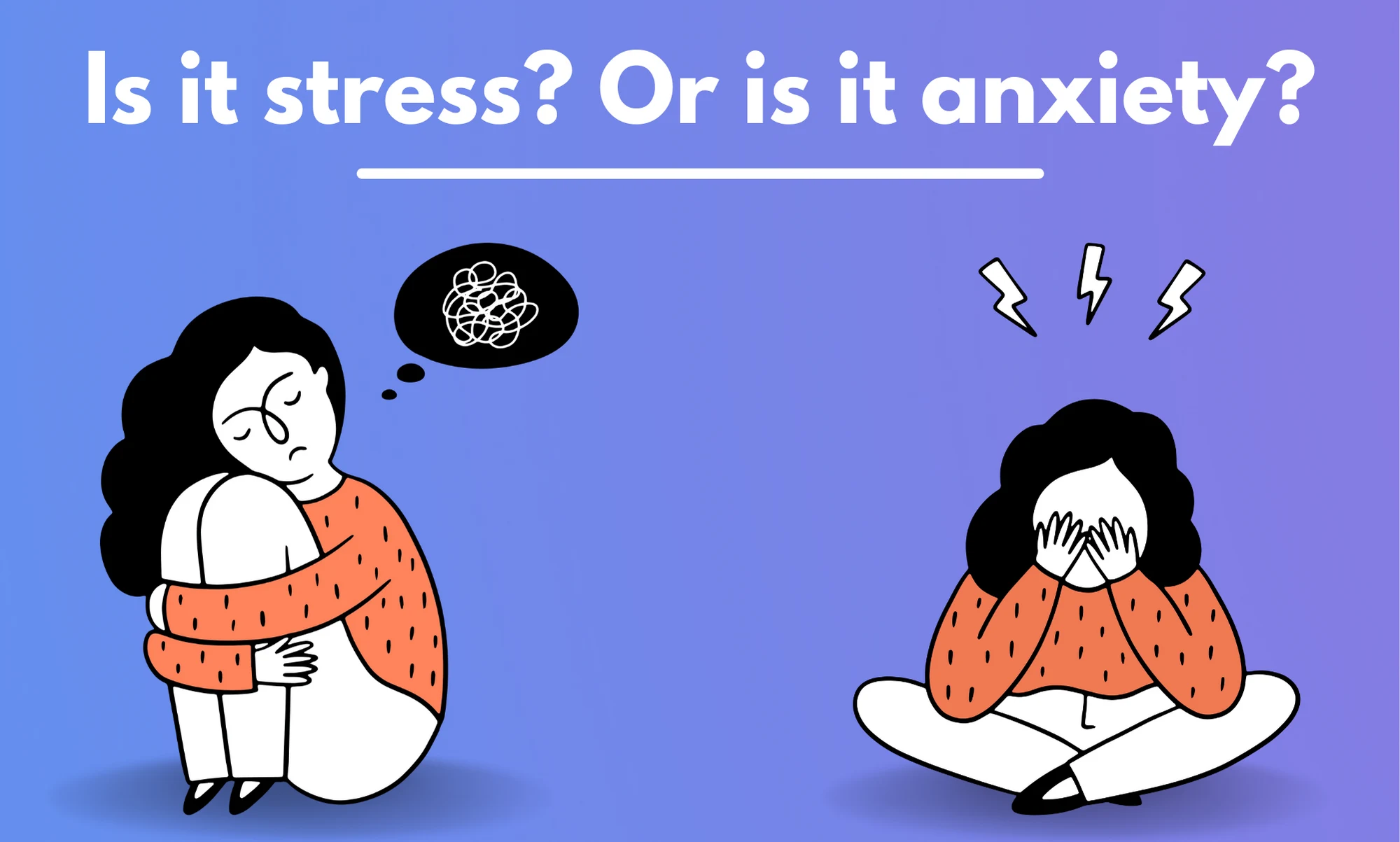
The National Library of Medicine explains that breathing difficulty has many causes. These can include asthma, lung infection, chronic lung disease, heart disease, anaemia, anxiety, a blood clot in the lung or other conditions. The timing, triggers and accompanying symptoms help guide assessment.
When it is an emergency
Seek emergency help when breathing difficulty begins suddenly, seriously interferes with breathing or speaking, follows choking, or occurs with severe chest discomfort, fainting, confusion or blue-grey skin. Rapidly worsening symptoms also need urgent care.
When to arrange medical assessment
Breathlessness at rest, with slight activity, during simple conversation, or while lying flat should be assessed. Fever, wheezing, a persistent cough or a significant change from a person’s usual breathing pattern are also reasons to contact a healthcare professional.
Treatment depends on the cause
No food or supplement is a universal treatment for shortness of breath. A clinician may check oxygen levels and use blood tests, imaging, an electrocardiogram or lung-function tests depending on the situation. Treatment is directed at the underlying cause. Anyone with a prescribed inhaler, heart medicine or oxygen plan should follow their clinician’s instructions rather than substituting unverified remedies.