
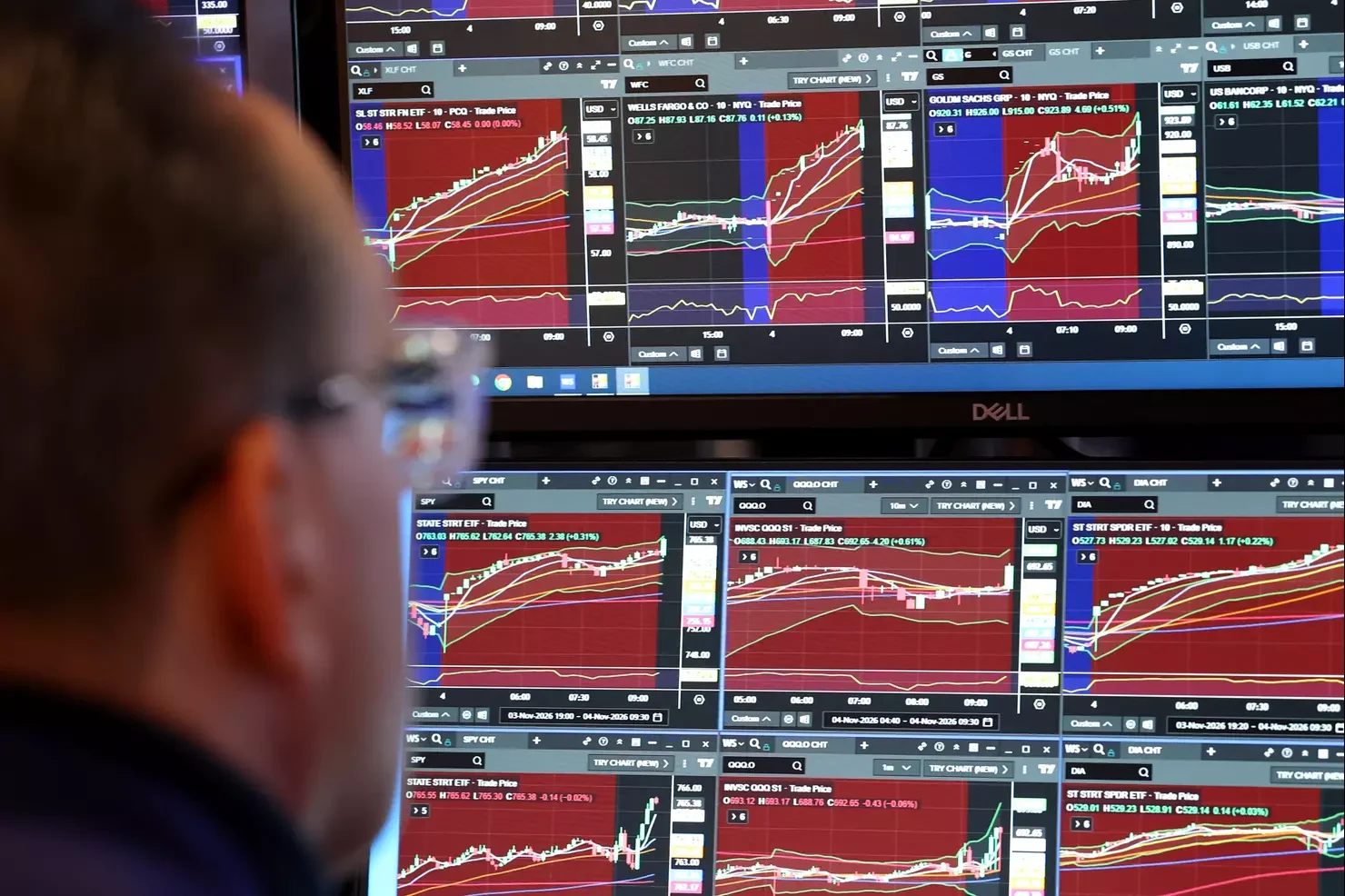
Financial markets across the globe have reacted with unexpected vigor to the shifting political winds of the United States. Following the decisive Democratic victory in the 2026 midterm elections—which delivered control of both the House of Representatives and the Senate to the opposition party—Wall Street, European exchanges, and international bond markets surged.
While conventional financial wisdom often views political gridlock with caution, the current global market rally tells a different story. Investors are signaling a collective sigh of relief, interpreting the newly divided government as a vital institutional check that will stabilize unpredictable policy trajectories and curb unchecked executive overreach.
The Anatomy of the Market Rally: Stocks and Bonds Surge
In the immediate wake of the election results, major indices registered substantial gains. The pan-European STOXX 600 climbed to multi-month highs, while London’s FTSE 100, Frankfurt’s DAX, and major Asian markets posted solid advances. On Wall Street, futures turned firmly positive as institutional investors digested the new balance of power.
Simultaneously, government bond markets experienced a notable flight to stability:
U.S. Treasuries Rallied: Yields on benchmark 10-year U.S. Treasury bonds moved lower as investors anticipated a curb on runaway government spending and a return to fiscal moderation.
The Dollar Adjusted: The U.S. dollar softened against major currencies like the euro, British pound, and Japanese yen, easing pressure on emerging markets and international trade balances.
Sector Shifts: Clean energy, infrastructure, and traditional banking stocks rallied sharply on expectations of legislative support, while certain hyper-leveraged tech and defense sectors faced localized pullbacks.
Why Investors Favor Gridlock: Predictability over Volatility
For global investors, the single greatest enemy is unpredictability. Sweeping executive actions, abrupt tariff adjustments, and sudden trade disputes introduce severe friction into international supply chains.
With a Democratic-controlled Congress now holding the power of the purse and committee oversight, markets anticipate a cooling-off period for unilateral trade maneuvers. The legislative branch is expected to serve as a friction point that filters out extreme policy swings, fostering a more predictable environment for long-term capital allocation. This newfound checks-and-balances framework reassures international partners that U.S. domestic and foreign policies will undergo rigorous debate rather than abrupt executive decrees.
Commodity Relief and Global Energy Shocks
Another major driver behind the global market optimism is the behavior of commodity markets. Alongside the equity surge, crude oil prices experienced a sharp downward correction, easing fears of prolonged energy-driven inflation.
With geopolitical tensions—particularly concerning the Middle East and the conflict involving Iran—weighing heavily on consumer prices throughout the year, investors viewed the political shift as a potential catalyst for renewed diplomatic engagement and stabilized supply lines. Lower oil prices act as an immediate tax cut for global consumers, supporting discretionary spending and cushioning international economic growth.
Frequently Asked Questions (FAQ)
Q: Why did global stock markets rally following the U.S. midterm elections?
A: Investors rallied behind the prospect of a divided government, viewing a Democratic-controlled Congress as a stabilizing institutional check that will prevent erratic policy shifts and reduce political volatility.
Q: How did bond markets and the U.S. dollar react to the political shift?
A: U.S. Treasuries and global government bonds rallied (pushing yields lower) on expectations of reduced federal spending, while the U.S. dollar eased from recent highs against major foreign currencies.
Q: Which specific sectors benefited the most from the market reaction?
A: European equities, clean energy firms, banking stocks, and infrastructure-related companies saw immediate gains, while specific defense and tech sub-sectors reacted to anticipated shifts in regulatory oversight.
Q: What does market stability mean for everyday consumers?
A: A stable market environment helps temper inflation volatility, lowers energy and commodity pressures, and provides greater predictability for mortgage rates, small business loans, and long-term economic growth.
Conclusion
The post-election global market rally highlights a profound paradox in modern economics: sometimes, investors prefer the calm waters of political gridlock over the stormy seas of unbridled executive action. By re-establishing a classic American system of checks and balances, the 2026 midterms have injected a measure of predictability back into the global financial ecosystem. As Washington pivots toward two years of high-stakes negotiation, international markets are betting that caution and compromise will ultimately prevail.






Comments
Leave a Comment
Your email address will not be published. Required fields are marked *