
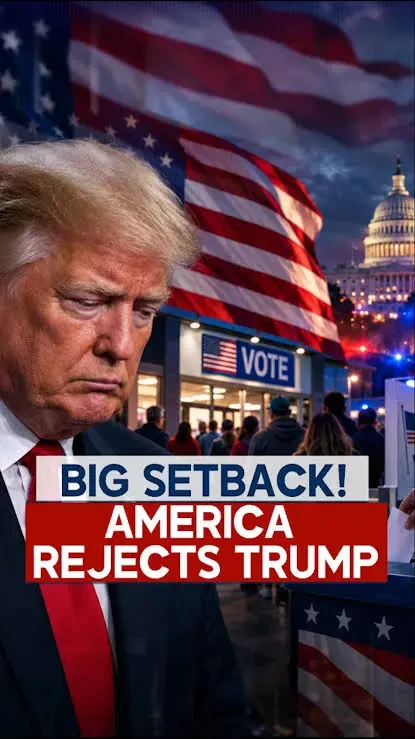
The dust has settled on one of the most consequential midterm cycles in modern American history, and the political map has turned profoundly blue. In a stunning reversal of expectations, American voters handed the Democratic Party a decisive victory in the 2026 midterm elections, securing control of both the House of Representatives and the Senate.
Driven by widespread voter anxiety over the escalating cost of living, economic pressures, trade tariffs, and foreign policy friction—particularly surrounding the conflict with Iran—the "blue wave" has fundamentally restructured the balance of power in Washington. As the country looks past the immediate post-election shock, the critical question remains: What does this legislative pivot mean for the future of American governance, domestic policy, and the runway to the 2028 presidential election?
The New Power Dynamic: Institutional Checks and Balances
For the executive branch, the midterm results represent a massive institutional roadblock. While President Donald Trump retains substantial executive authority—particularly regarding foreign policy, defense deployment, and trade maneuvers—his administration will no longer enjoy an uncritical legislative rubber stamp.
With Democrats controlling both chambers of Congress, the legislative branch regains its teeth:
The Federal Purse Strings: Control over the federal budget shifts entirely to Democratic leadership, empowering them to challenge the administration's tax and spending priorities.
Confirmation Power: The Democratic-led Senate holds absolute authority over the confirmation of presidential nominees, including key diplomatic, cabinet, and judicial posts.
Congressional Oversight: House and Senate committees are primed to launch aggressive investigations into executive actions, setting the stage for high-stakes political gridlock.
This divided environment ensures that Washington will pivot from sweeping unilateral action to fierce, protracted negotiation—or institutional paralysis.
Domestic Pressures: Affordability, Tariffs, and the Economy
The primary engine behind the Democratic victory was economic dissatisfaction. Despite broader macroeconomic growth metrics, everyday Americans have felt the pinch of persistent inflation, housing crunches, and aggressive tariff policies.
Voters signaled a sharp rebuke of economic strategies that they felt prioritized broad trade conflicts over domestic purchasing power. In response, a Democratic-controlled Congress is expected to pivot sharply toward populist and cost-of-living legislation. Proposals targeting price stabilization, targeted tax relief for middle- and lower-income households, and a critical evaluation of sweeping import tariffs will likely dominate committee hearings.
However, passing transformative laws will be difficult. Without a veto-proof majority, Democrats cannot unilaterally dismantle existing executive trade actions or rewrite major tax codes without forging bipartisan compromises.
Foreign Policy and Global Standing: A Divergent Front
While domestic policy will see intense gridlock, foreign policy remains a shared and often turbulent arena. The midterm results arrive against a backdrop of intense global instability, including ongoing engagements in the Middle East and Eastern Europe.
The Middle East and Iran: Voter exhaustion regarding prolonged military commitments and economic blowback from the Iran conflict heavily influenced congressional races. Lawmakers are expected to exert tighter oversight on military funding and push for diplomatic off-ramps.
Support for Ukraine: The Democratic congressional victory could signal a shift in how Washington approaches European security. While executive resistance has previously stalled direct financial and military assistance to Kyiv, a revitalized Democratic majority will likely seek to restore channels of aid, putting pressure on the administration's foreign posture.
Global Trade and Tech Relations: European and Asian markets are closely monitoring how Congress will respond to tariff threats—particularly digital service taxes targeting American tech giants. Legislative friction could temper the more aggressive edges of U.S. trade policy.
Frequently Asked Questions (FAQ)
Q: Which party won control of Congress in the 2026 midterm elections?
A: The Democratic Party secured a decisive victory, winning majorities in both the House of Representatives and the Senate.
Q: How will a Democratic Congress affect President Trump’s agenda?
A: While the president maintains strong executive powers over foreign policy and trade, the Democratic-led Congress can block legislative priorities, withhold federal spending approval, halt controversial nominees, and initiate deep oversight investigations.
Q: What were the primary issues that drove voters to support Democrats in 2026?
A: Exit data and political analysis indicate that voter anxiety over the cost of living, inflation, trade tariffs, and the handling of foreign conflicts—particularly involving Iran—were central to the shift in power.
Q: Can the new Congress completely reverse current tariff policies?
A: No. Because Democrats do not hold a veto-proof supermajority, their ability to completely repeal or reverse executive tariff frameworks is heavily constrained, requiring compromises with the administration.
Conclusion: The Road to 2028
The 2026 midterms have redrawn America's political horizon, proving that the electorate remains deeply polarized yet eager to enforce institutional balance. For the Democratic Party, this victory provides a powerful platform to champion economic relief and check executive overreach. However, their long-term success will depend on whether they can translate legislative oversight into tangible solutions for everyday citizens.
As both parties look ahead to the 2028 presidential cycle, the next two years will serve as a high-stakes proving ground. How Democrats and Republicans navigate this era of divided government will ultimately define the political landscape that America's next leader inherits.







Comments
Leave a Comment
Your email address will not be published. Required fields are marked *