
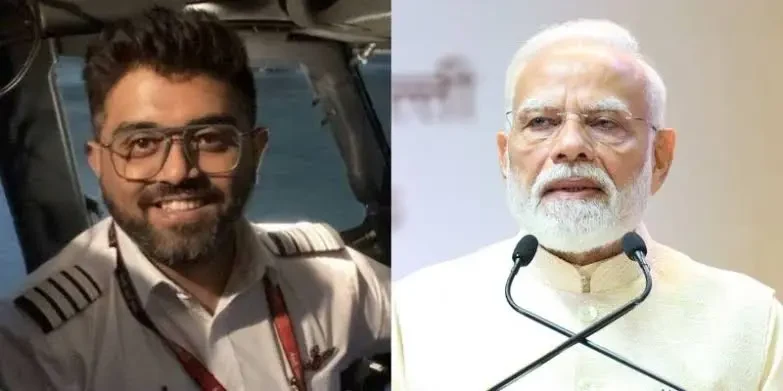
Prime ministers phone sports champions all the time. Calling a hospital bed is rarer, and the call that went out on Friday was not about a trophy. It was about 174 people, or 182, depending on whose count you trust, who landed alive because one wounded man kept standing.
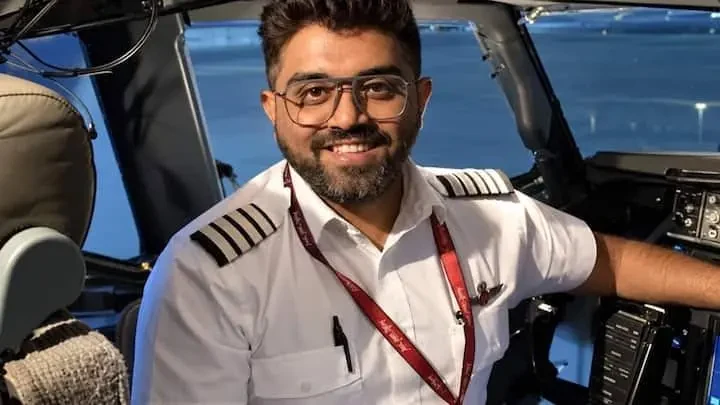
Prime Minister Narendra Modi spoke by video with Captain Smit Machchhar on October 2, 2026. He told the pilot that his courage, patience, and presence of mind saved many lives after a co-pilot stabbed him on flydubai flight FZ1073.
The call
The conversation was televised. Machchhar appeared from his hospital room in Abu Dhabi, bandaged and clearly shaken. According to the Associated Press, he broke down while recalling the attack. He told Modi that if he had not gotten up, the passengers could have died.
Modi's message to him was short and warm. He thanked the captain for his courage, his calm, and his quick thinking, and he said those qualities saved many lives. For a country that has watched its pilots take criticism in recent years, the moment landed as a point of national pride.
What Machchhar said about those minutes
The details he gave are the most striking part of the exchange. He said he has been flying for 17 years and a captain for the last 11, and that experience lets him sense an aircraft's behavior even with his eyes shut. On the cockpit floor he could feel the plane descending steeply. That awareness, he said, pushed him to make a final effort to reach the door.
He also said he recited the Hanuman Chalisa while fighting to stay conscious, and that he drew courage from it. Whether or not a viewer shares his faith, the honesty of that detail is what made the clip travel.
Why the door mattered
By opening the cockpit door, Machchhar let others into the one room on a plane that is designed to keep people out. Passengers then subdued the attacker, and trainee pilots working as on-duty crew landed the 737 at Tabuk, Saudi Arabia. Israeli Prime Minister Benjamin Netanyahu's office also saluted him, saying that despite serious injuries he resisted, opened the door, and prevented a catastrophe.
That is a rare level of agreement across borders for a single airline captain. India, Israel, and the UAE have all spoken of him with gratitude.
How pilots are trained for this
Philip Kean, who runs the New Zealand flight school where Machchhar trained, told the Associated Press that pilots learn to take over when a colleague is incapacitated, but not to survive an assault by a crewmate. Nobody trains for that, he suggested, because nobody expects it from someone who is also a friend and flying partner.
This is worth sitting with. Aviation safety is built on layers: checklists, redundancy, two sets of hands. The system assumes the second pilot is a safeguard. When that assumption fails, the response comes from instinct, experience, and character, and those are exactly what the captain showed.
The wider picture
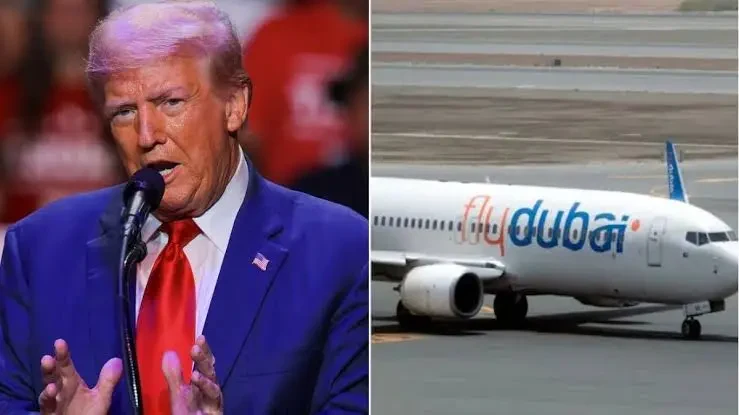
The attacker is an Omani national who was arrested in Saudi Arabia and later moved to the UAE for a terrorism investigation. President Trump has said Iran may be linked to the man, while Netanyahu says it is too early to know. Those questions will play out over weeks. The Modi call is about something else: the person who made the outcome survivable.
What happens next
Machchhar is recovering, and Indian officials say he is doing well. Expect honors, interviews, and likely a push for better cockpit-security procedures across airlines. Flydubai has said little beyond acknowledging that on-duty crew landed the aircraft safely.
Frequently asked questions
What did PM Modi say to Smit Machchhar? He praised the captain's courage, patience, and presence of mind, and said they saved many lives.
How many people were on the plane? Reports vary. Some say 174 and the Associated Press says 182. The difference is probably due to counting crew.
Where did the plane land? At Tabuk in northwest Saudi Arabia.
Has he been officially honored? Leaders have praised him publicly. No formal award has been announced as of October 2


Comments
Leave a Comment
Your email address will not be published. Required fields are marked *