
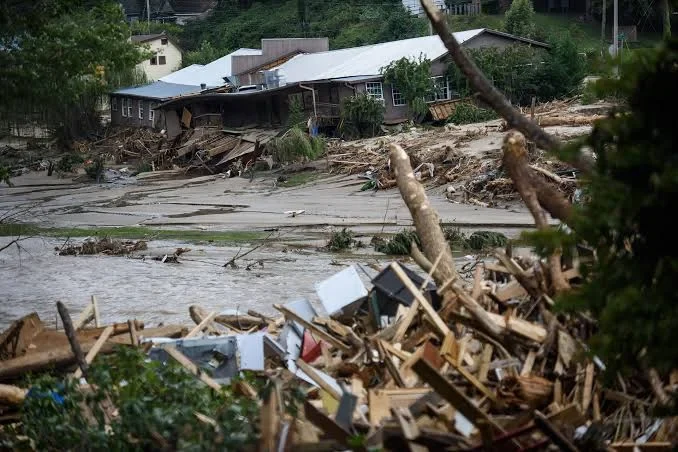
The remnants of Hurricane Polo soaked the U.S. Southwest this week, flooding roads and prompting evacuations in small New Mexico towns over fears a dam could fail. Heavy rain is forecast to shift into Texas and Oklahoma starting Tuesday night, September 29, 2026.
What happened in the Southwest?
Hurricane Polo made its mark in Mexico first. Photos from Puerto San Carlos, in Baja California Sur, showed people wading through floodwater past downed power lines on Tuesday. The storm then broke down as it moved north, but its remnants kept their punch.
Bands of rain rolled across the U.S. Southwest, sending desert rivers surging and turning normally dry channels called arroyos into rushing torrents. Roads flooded. In New Mexico, people in the small communities of Rincon, Salem and Garfield were told to head for higher ground right away, before conditions worsened, because of concern about a dam failing.
Why did the flooding get so bad?
The rain itself was heavy, but the ground made it worse. NPR reported that September has been unusually soggy across the region. Soil that's already saturated can't soak up more water, so nearly everything that falls runs straight off into low spots, streams and streets.
Desert terrain adds another problem. Dry, hard ground and steep channels move water fast. A storm that would be a nuisance in a wetter climate can produce a sudden flash flood in an arroyo, sometimes miles from where the rain actually fell.
Where is the rain headed next?
The National Weather Service expects the flood risk to move into parts of the central U.S. later this week. Heavy rain was forecast to hit Texas and Oklahoma beginning Tuesday night. If you live in those states, check your local forecast and any flood watches or warnings, especially if you're near creeks or low-lying roads.
Is another storm on the way?
Possibly, in the Pacific. The National Hurricane Center reported Tropical Storm Rachel moving parallel to Mexico's coast on Tuesday, about 300 miles west-southwest of Lázaro Cárdenas. It had maximum sustained winds of 70 mph and was moving northwest at 13 mph, and it was expected to become a hurricane soon.
Its exact path matters. Storms near Mexico's Pacific coast sometimes turn out to sea, and sometimes their moisture is drawn north into the U.S. Southwest. It's too early to say what Rachel will do.
Is this connected to El Niño?
NPR noted that Pacific storm activity has been above average this year, and that this pattern is consistent with El Niño years. That's a general link, not a claim that El Niño caused this particular storm. El Niño conditions tend to warm the eastern Pacific, which can feed more active hurricane seasons there and can push extra moisture toward the Southwest.
Scientists are careful about pinning any single event on a climate pattern, and it's fair for readers to be careful too. What's clear is that the background conditions this year have favored active Pacific storms.
How dangerous are flash floods?
More dangerous than they look. Flash floods are among the leading weather killers, and many deaths happen in vehicles. Just six inches of moving water can knock a person off their feet, and about a foot can carry away a small car.
How do I stay safe?
A few rules that could save your life:
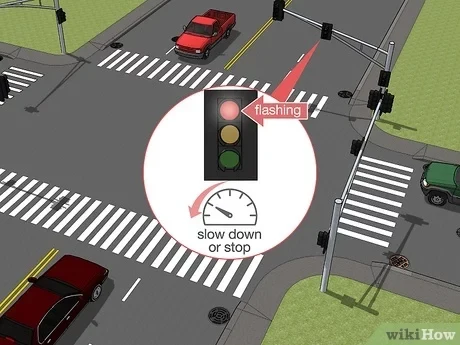
Turn around, don't drown. Never drive through a flooded road. You can't tell how deep it is or whether the pavement underneath has washed out.
Stay out of dry washes and arroyos when it's raining anywhere upstream, even if it's sunny where you are.
Heed evacuation orders immediately. Officials issue them early on purpose. Waiting for conditions to worsen is how people get trapped.
Keep a go-bag ready: medications, phone charger, ID, water, a flashlight, and copies of important documents.
Stay away from downed power lines and standing water that might be electrified.
Sign up for local alerts. Emergency notifications from your county or city are usually the fastest warning.
What about dams?
The New Mexico evacuations were driven by concern about a dam, not a confirmed failure. That distinction matters. Officials often order people out when a structure is under heavy stress, because failure can come with little warning and the downstream damage would be severe. If you live below a dam, know your evacuation route in advance.
What does recovery look like?
After the water drops, the danger doesn't end. Floodwater can carry sewage and chemicals. Wet buildings grow mold within a day or two. Roads and bridges may be weakened. If you're returning to a flooded home, wait for officials to say it's safe, photograph the damage before cleaning for insurance purposes, and check whether your policy covers flooding. Standard homeowner's insurance usually doesn't, and flood coverage is typically a separate policy.
FAQ
What is Hurricane Polo? A Pacific hurricane that struck Baja California Sur, Mexico, before its remnants moved into the U.S. Southwest.
Where is flooding expected next? Parts of the central U.S., with heavy rain forecast for Texas and Oklahoma beginning Tuesday night, per the National Weather Service.
Why were New Mexico residents evacuated? Officials were worried about a possible dam failure after heavy rain saturated the area.
What is Tropical Storm Rachel? A Pacific storm with 70 mph winds moving northwest along Mexico's coast, expected to strengthen into a hurricane.






Comments
Leave a Comment
Your email address will not be published. Required fields are marked *