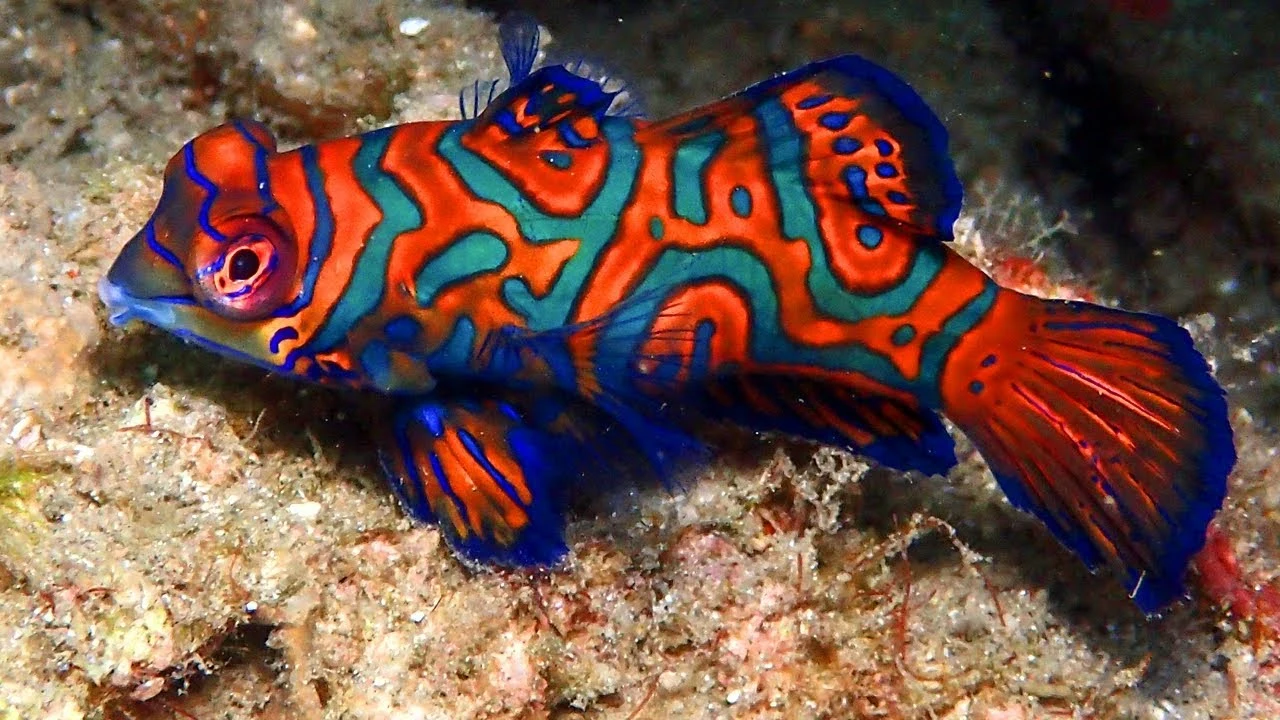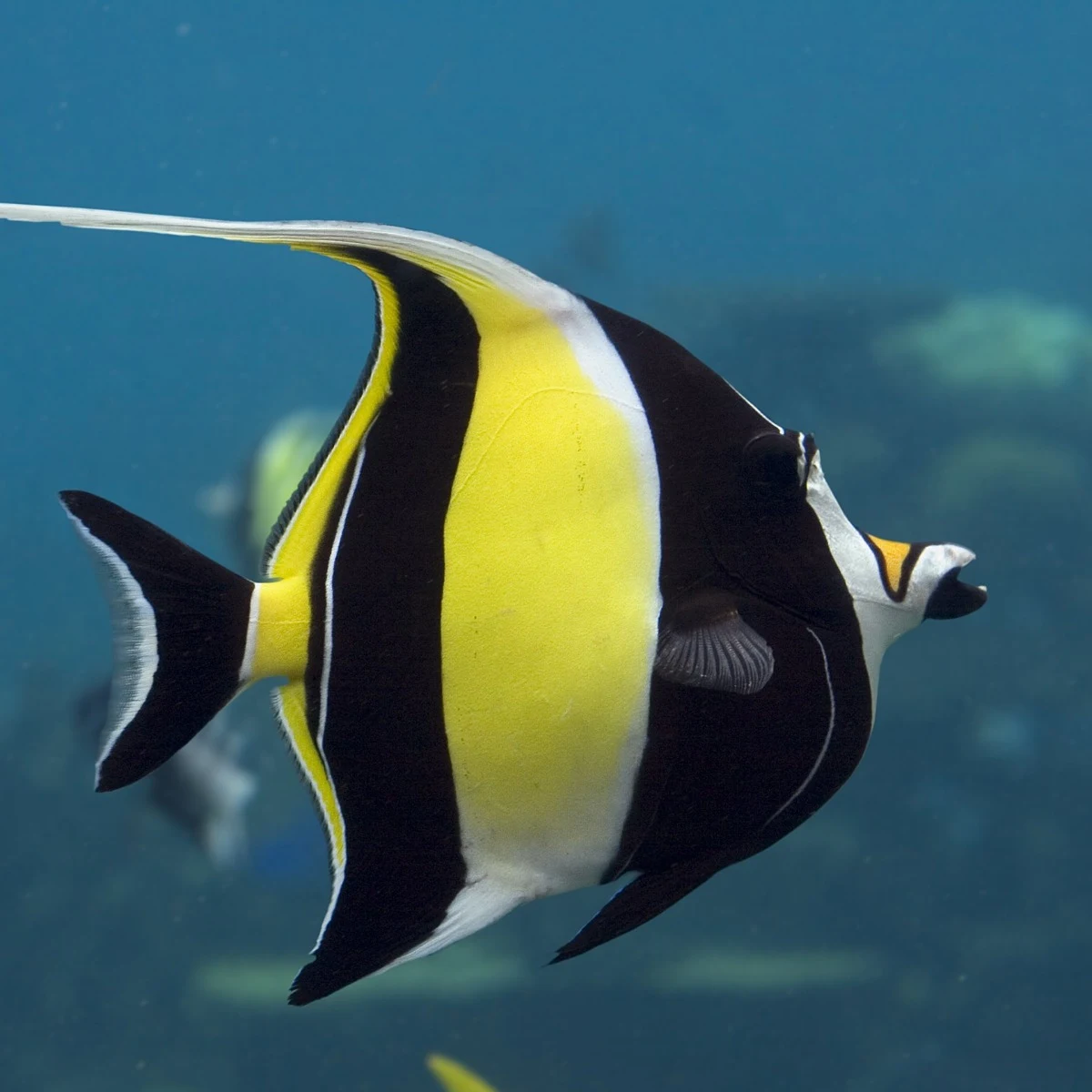

Create more natural aquarium photographs by controlling reflections, white balance, focus, background clutter, and movement.
Start by controlling reflections
Room lights, windows, and clothing can appear on aquarium glass. Move close without touching the tank, change your angle, and darken nearby distractions where appropriate. A clean exterior surface helps, but animal care and venue rules come first.
Treat white balance as a starting point
Aquarium lighting can push color strongly toward blue or green. Test the camera’s presets or a careful custom setting, then make restrained corrections later. The goal is to show believable color rather than remove every trace of the environment’s lighting.
Focus on the eye
A fish can change direction quickly, so use a focus mode suited to movement and place the active area near the eye. Take short bursts only when useful and review sharpness. A crisp fin with a soft eye rarely feels intentional.
Simplify the background
Wait for the fish to move away from filters, labels, bright reflections, or other visual clutter. A clean patch of water creates separation and lets pattern and shape carry the frame without excessive editing.
Respect the subject
Do not tap the glass, use prohibited flash, or encourage movement that stresses the animal. A patient photographer works with normal behavior and accepts that the best frame may take time.