Approach disaster-damage photography with safety, consent, factual captions, dignity, context, and respect for affected communities.
Safety comes before the photograph
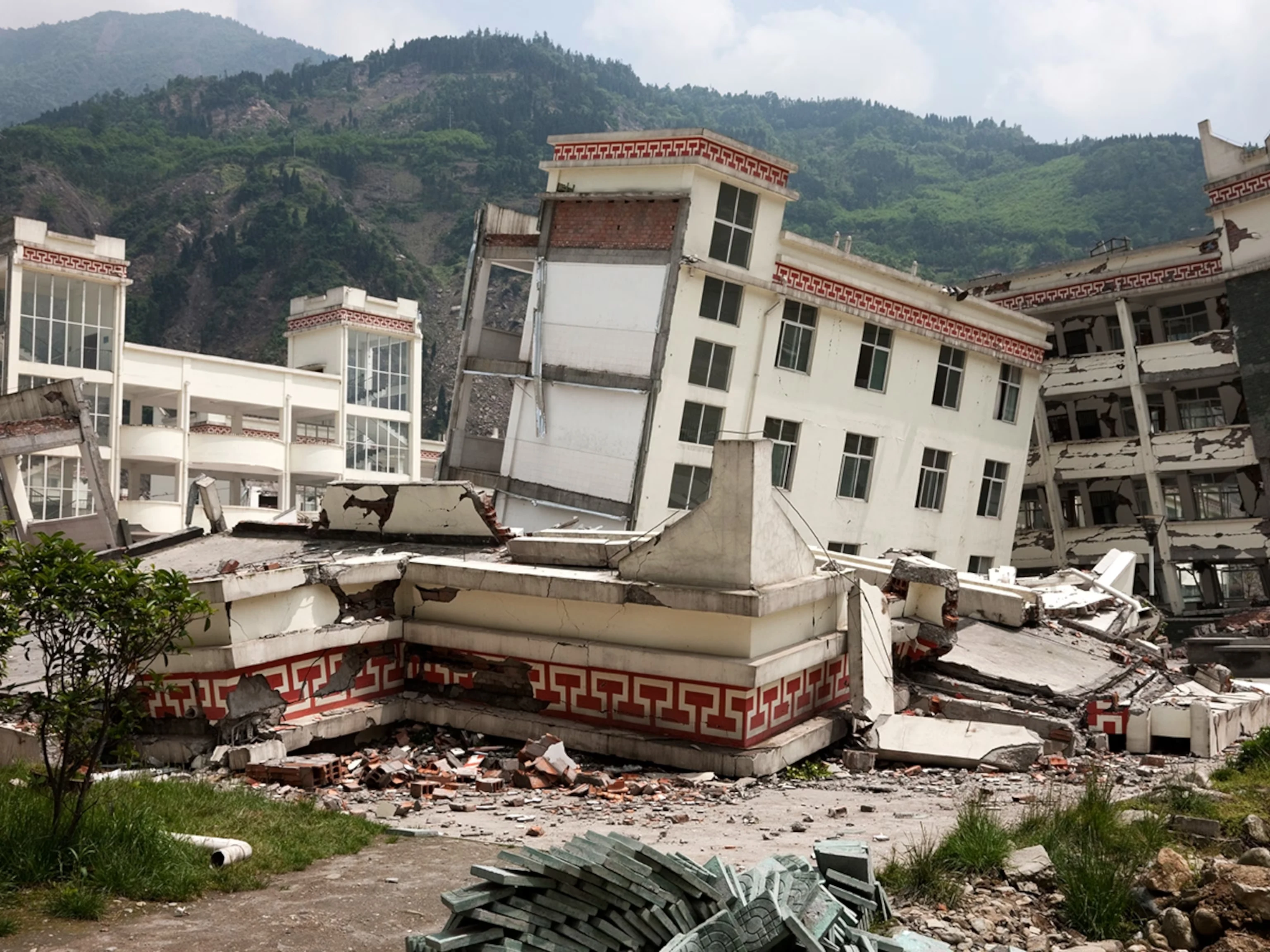
Damaged structures, debris, utilities, unstable ground, and continuing hazards can be difficult to recognize. Follow emergency instructions, stay outside restricted areas, and never enter a site simply to improve a composition.
Protect the dignity of people affected
A disaster scene is part of someone’s life, not a visual attraction. Seek consent where people are identifiable, avoid intrusive images of grief or injury, and consider whether publishing a location could create additional risk.
Caption only what is verified
Record the time, place, direction, and reliable source of contextual information. Do not infer the exact cause of damage, the number of casualties, or the condition of occupants from appearance alone. Separate direct observation from attributed information.
Show context as well as impact
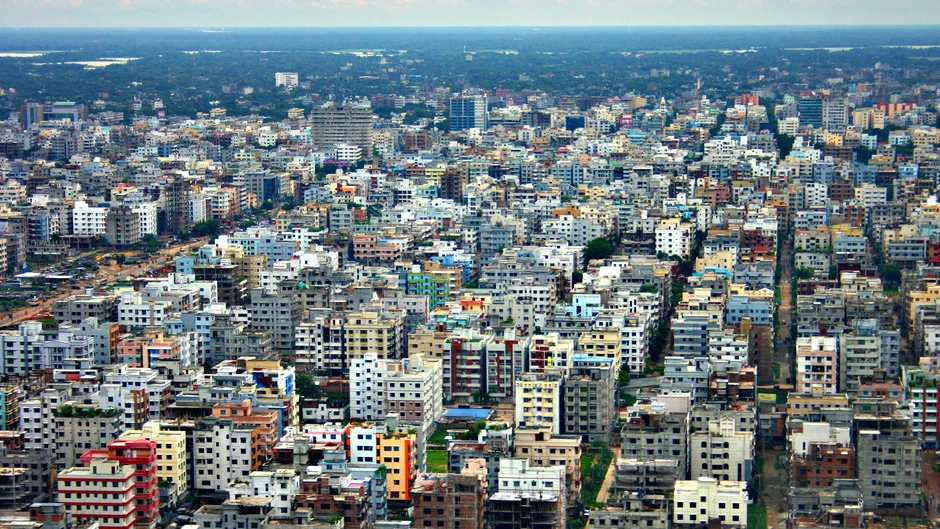
Wide views can explain scale and surroundings, while details may show construction or recovery work. Avoid framing that exaggerates damage by hiding intact areas, and do not stage or move objects for effect.
Plan responsible storage and publication
Keep original files and notes, protect sensitive metadata, and review captions before release. Editors should weigh public value against harm and correct errors transparently when better information becomes available.