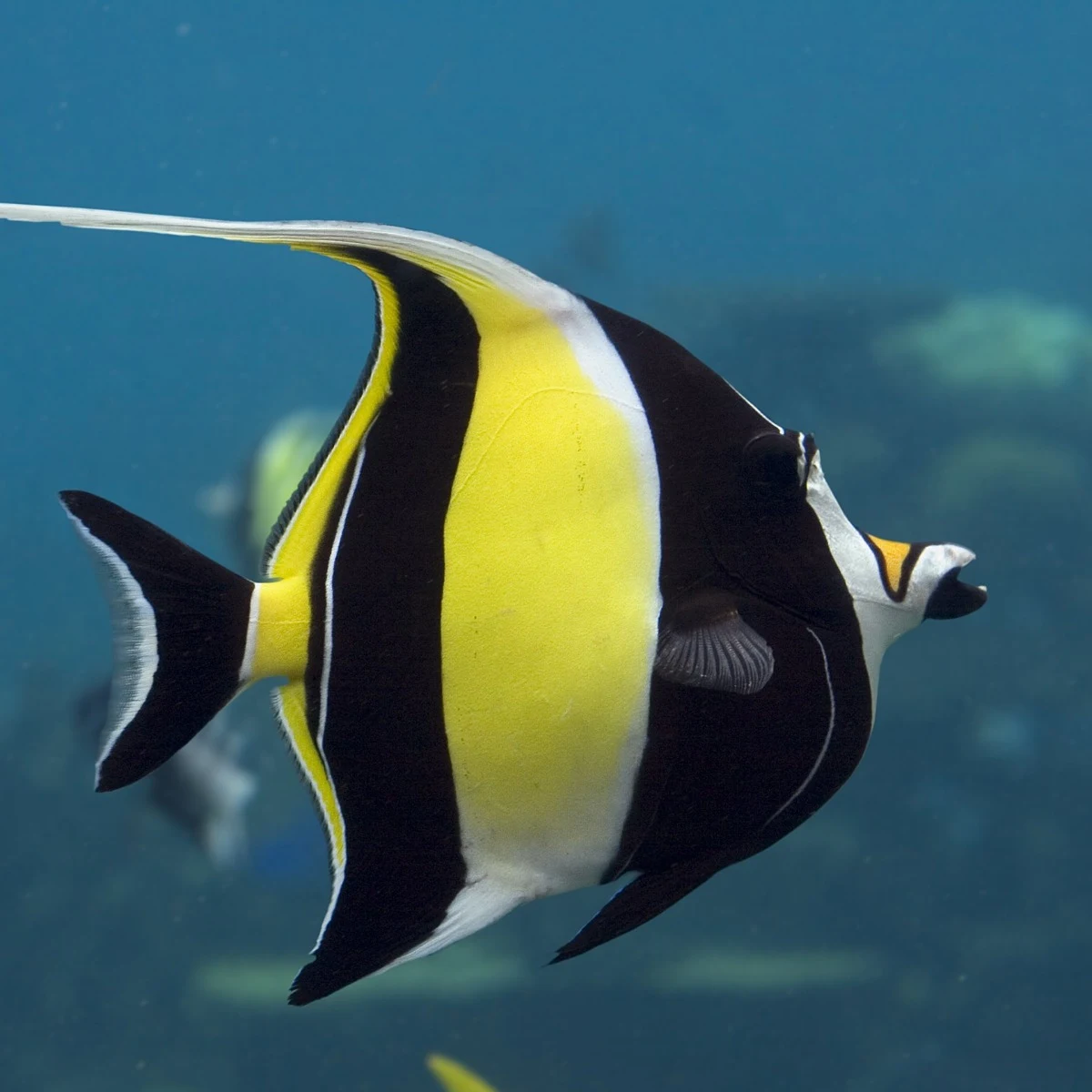
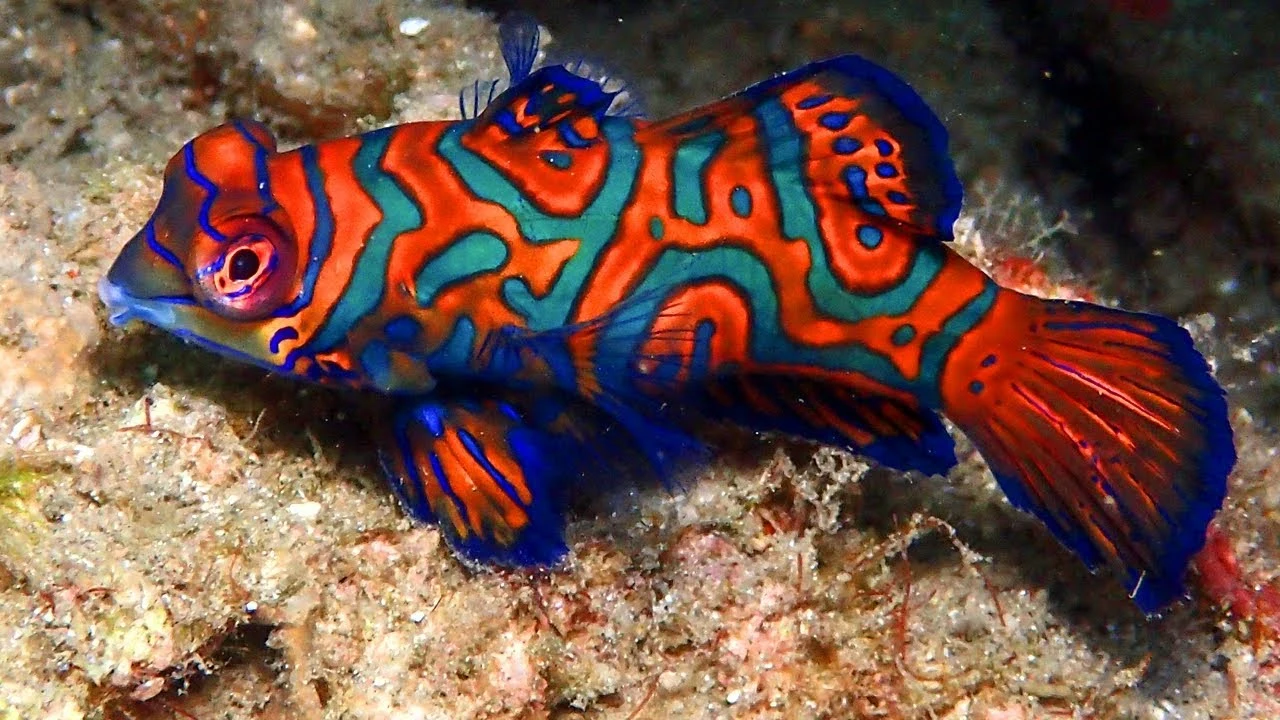
Photograph patterned fish with clear texture by managing angle, light, focus, motion, and the visual complexity of the reef.
Let pattern define the composition
Highly patterned fish already contain strong visual rhythm. Give the body enough room in the frame and avoid backgrounds that compete with every mark. A simple diagonal or side profile can make color and shape easier to read.
Work with the available angle
Water, glass, and subject movement limit camera position. Move slowly, avoid chasing the animal, and wait for a clean profile or eye contact. Small changes in angle can reduce glare and prevent the body from blending into the substrate.
Balance texture with separation
A textured reef can provide context, but it should not erase the outline of the fish. Use focus, distance, and timing to create separation. Where equipment allows, a wider aperture can soften distractions while keeping the eye and important markings clear.
Correct color carefully
Water absorbs and shifts light, and artificial aquarium lighting introduces its own cast. Use a consistent workflow and avoid pushing saturation until fine detail disappears. Natural-looking contrast usually serves intricate pattern better than extreme color.
Photograph without disturbance
Do not touch, corner, feed, or repeatedly flash an animal simply to create a frame. Follow site rules and allow normal behavior to guide the session. Responsible fieldcraft is part of photographic quality.