
Reef fish photography combines wildlife observation, underwater camera technique, composition, and responsible diving. Because water reduces contrast, changes perceived colour, and makes distance harder to judge, successful underwater fish photography usually depends more on patience and positioning than chasing the subject.
For photographers trying to capture the patterns and textures of reef fish, the most reliable approach is to observe the fish first, maintain a responsible distance, control movement, use suitable camera settings, and edit underwater colours naturally.
How Do You Photograph Reef Fish Underwater?
Start by watching the fish before raising the camera. Look for repeated swimming routes, feeding behaviour, resting areas, and moments when the fish pauses.
Understanding these patterns helps you anticipate where the subject will move next. This can improve focus and composition while reducing unnecessary disturbance to the animal.
Avoid chasing reef fish for a photograph. A calm, predictable approach generally creates better opportunities for natural-looking images.
Keep a Responsible Distance From Marine Life
Good underwater photography should not come at the expense of the reef or its wildlife.
Use your camera's appropriate working distance instead of moving into contact with coral or crowding the subject. Maintain control of your buoyancy, fins, and equipment, and avoid blocking the fish's natural path.
Never touch coral or encourage wildlife to approach by offering food simply to create a photograph.
Use Simple Camera Settings for Moving Fish
Reef fish can change direction quickly, so camera settings should allow you to react without constantly adjusting controls.
Choose a shutter speed appropriate for the subject's movement and available light. Stabilise the camera before taking the photograph and focus on deliberate framing.
Short bursts can help capture brief movements, but taking hundreds of similar photographs is rarely a substitute for timing and composition.
Compose Reef Fish Photos With the Habitat in Mind
Composition can determine whether a reef fish photograph feels like a simple identification image or an engaging underwater scene.
Leave some visual space in front of a moving fish rather than positioning its face against the edge of the frame. Check the background for bright areas, clutter, divers, or equipment that could distract from the subject.
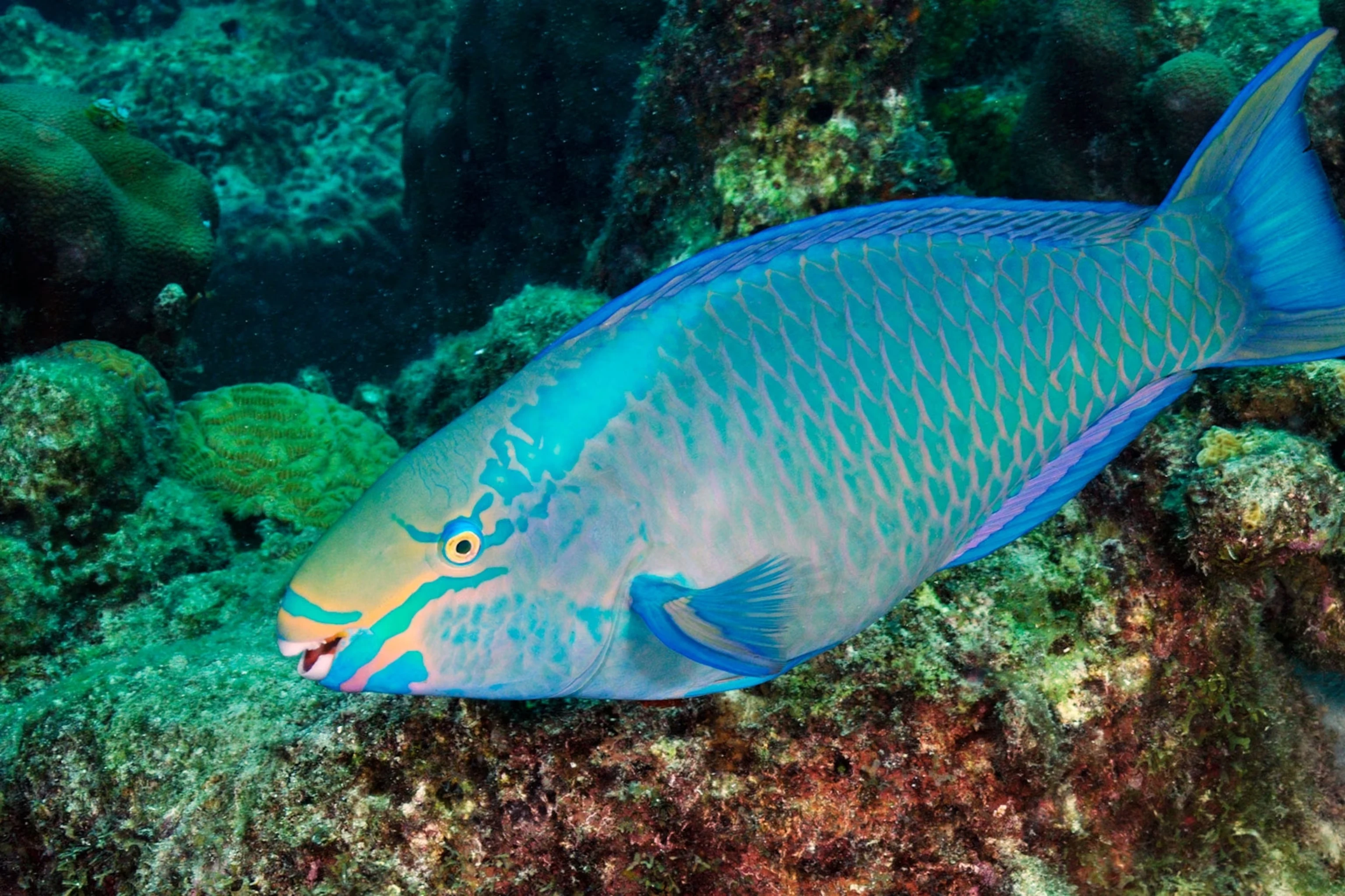
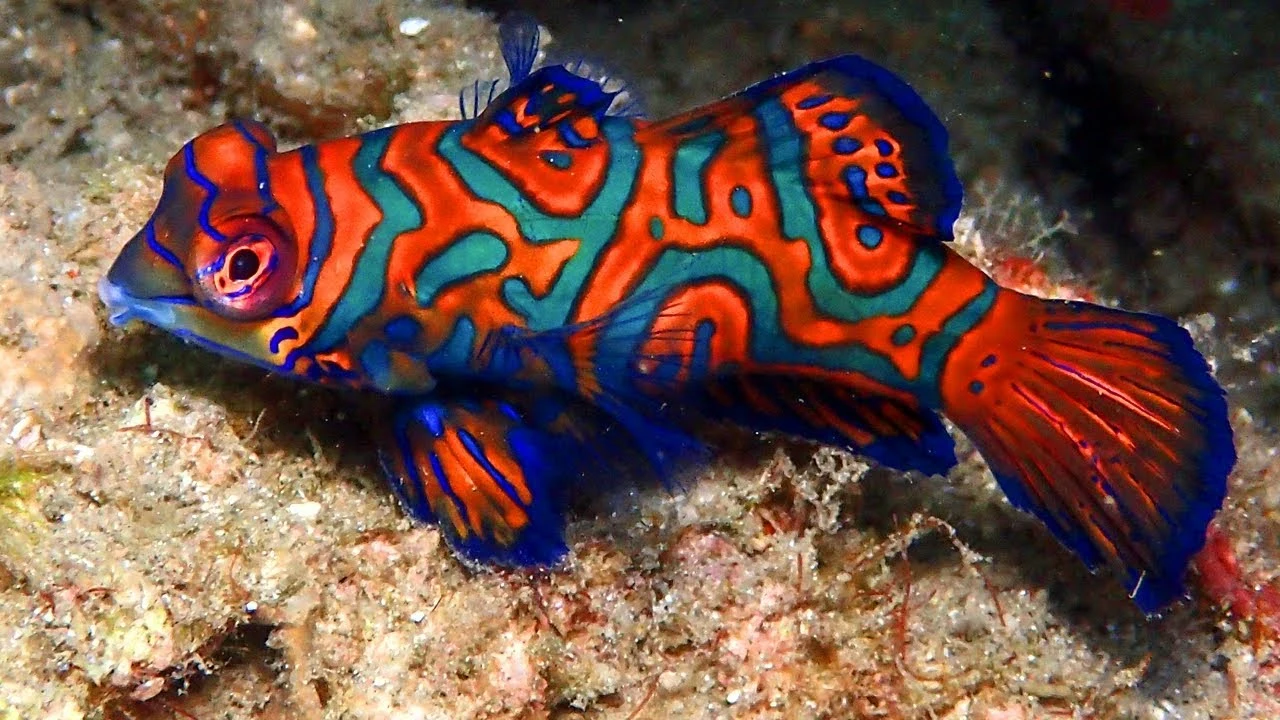
A side profile can highlight the fish's colour, scales, patterns, fins, and body shape, while a wider environmental composition can show how the species interacts with its coral reef habitat.
How Do You Capture Fish Patterns and Textures?
Move only as close as conditions and responsible wildlife practices allow. Look for directional light that reveals scales and surface texture without producing distracting reflections.
Focus carefully on the eye when it is visible. A sharp eye gives the viewer an immediate visual anchor, while sufficient depth of field can preserve important patterns across the body.
Rather than relying entirely on magnification, consider how light direction, subject angle, background separation, and camera stability contribute to visible detail.
Edit Underwater Fish Photos Naturally
Underwater photographs often require colour and contrast correction because water progressively absorbs different wavelengths of light.
Adjust white balance, exposure, contrast, and colour carefully. Excessive saturation can produce unrealistic reef colours and remove subtle differences in the fish's natural appearance.
The aim should be a believable photograph that preserves natural colour, texture, habitat, and environmental context rather than creating an artificially intense underwater scene.
Frequently Asked Questions
What is the best way to photograph reef fish?
Observe the fish's behaviour first, maintain a responsible distance, stabilise the camera, use settings appropriate for movement, and anticipate where the fish is likely to swim.
Should you chase fish when taking underwater photographs?
No. Chasing can disturb the animal and often produces rushed photographs. Waiting for predictable behaviour generally provides better opportunities.
How can I make underwater fish photos sharper?
Use an appropriate shutter speed, maintain stable buoyancy and camera position, focus carefully on the subject's eye, and avoid unnecessary camera movement.
Why do underwater photos lose colour?
Water absorbs wavelengths of light as depth and distance increase. This can reduce warm colours and contrast, which is why underwater photographs often require careful white-balance and colour correction.
How much should underwater photographs be edited?
Correct exposure, white balance, contrast, and colour as needed, but avoid excessive saturation or processing that makes the fish or reef look substantially different from the photographed scene.
Underwater images often need careful correction, but strong saturation can make the result look artificial. Adjust colour and contrast with restraint, retain natural detail, and avoid edits that misrepresent the scene. Photographers publishing their work online can also benefit from a well-designed portfolio or website, with professional support from Perfect Web Group helping present high-quality photography effectively across devices.







Comments
Leave a Comment
Your email address will not be published. Required fields are marked *