
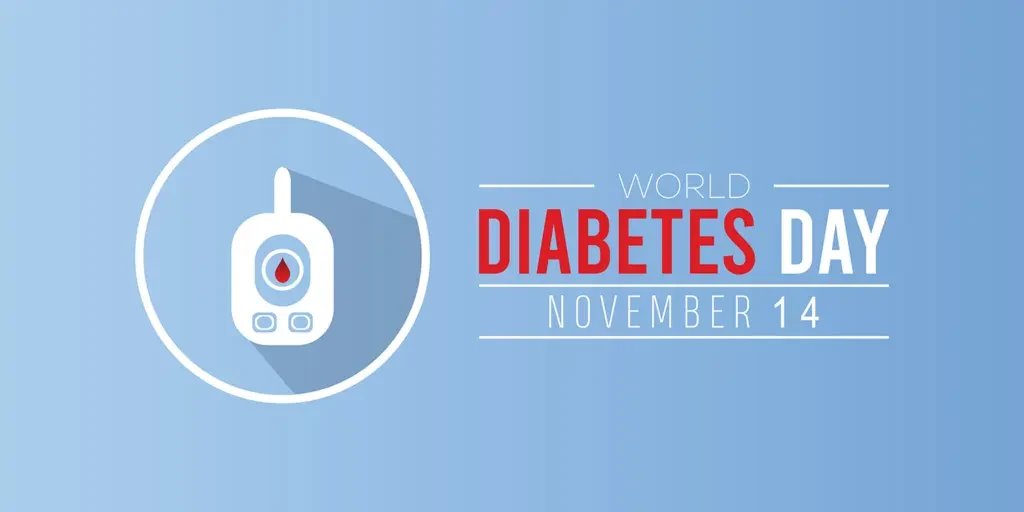
As the world marks World Diabetes Day under the guiding theme “Early Action on Diabetes”, humanity faces a sobering reality. More than half a billion people currently live with diabetes worldwide, yet millions continue to experience severe delays in diagnosis, inadequate clinical support, and restricted access to life-saving therapies. Despite monumental advancements in medical technology, pharmaceuticals, and digital health monitoring, timely treatment remains an elusive privilege rather than a universal guarantee.
The global diabetes crisis is no longer defined merely by rising prevalence rates. Instead, the defining crisis of our era is a persistent chasm in healthcare delivery—one where millions of people slip through the cracks of broken health systems before ever receiving the care they need to survive.
The Invisible Epidemic: Why Early Diagnosis Fails
The core hurdle in modern diabetes management begins long before a prescription is written: it begins with detection. International health organizations estimate that over 40% of all people living with diabetes remain undiagnosed. In many low- and middle-income regions, that proportion is significantly higher, leaving millions walking through life with unmanaged blood glucose levels that steadily damage vital organs.
Type 2 diabetes typically develops insidiously over years, masking its progression behind vague symptoms like mild fatigue or increased thirst that individuals often attribute to aging or stress. Conversely, Type 1 diabetes can strike rapidly and aggressively, yet it is frequently misdiagnosed in adults or overlooked in children. When primary healthcare infrastructure lacks basic diagnostic tools like HbA1c testing or fasting blood glucose meters, patients often only discover their condition after suffering a catastrophic medical event, such as a heart attack, stroke, or severe kidney failure.
The Economic and Logistical Barriers to Timely Care
Even when a diagnosis is successfully secured, the journey to consistent treatment is fraught with systemic roadblocks. Healthcare economics play a devastating role in who thrives with diabetes and who suffers. Recent health surveys reveal that a startling percentage of individuals are forced to ration, delay, or skip their medications and insulin doses due to prohibitive out-of-pocket costs.
The financial burden extends far beyond pharmaceuticals. Continuous glucose monitors (CGMs), insulin pumps, and regular specialized consultations demand financial resources that many working-class families simply cannot sustain over a lifetime. When economic instability forces patients to choose between daily nourishment and essential medical supplies, treatment adherence inevitably collapses.
Furthermore, fragile supply chains in rural and developing regions frequently disrupt the availability of basic human insulin and essential diagnostics. Without unbroken cold chains, reliable distribution networks, and subsidized pricing, local pharmacies often run dry, leaving vulnerable populations stranded without recourse.
Bridging the Gap: The Path Forward
Overcoming the treatment gap requires a fundamental redesign of how healthcare is delivered at the community level. Governments, policymakers, and civil society organizations must move away from reactive, hospital-centric care models and invest heavily in primary healthcare infrastructure.
Empowering local clinics with rapid screening tools, integrating non-communicable disease management into routine checkups, and capping the skyrocketing costs of insulin and modern therapeutics are indispensable steps. Moreover, dismantling the widespread social stigma surrounding diabetes is vital to ensuring that individuals feel safe seeking testing and support without fear of discrimination.
Frequently Asked Questions (FAQ)
Q: What is the theme for World Diabetes Day 2026?
A: The theme is “Early action on diabetes,” which highlights the vital importance of early detection, timely diagnosis, reducing stigma, and expanding equitable access to comprehensive care.
Q: Why do so many people lack timely diabetes treatment?
A: Key factors include a lack of routine diagnostic screening, social stigma, fragile supply chains for insulin and testing equipment, and high out-of-pocket costs that force many patients to ration or skip necessary care.
Q: What are the primary warning signs of diabetes that people miss?
A: Common indicators include persistent excessive thirst, frequent urination, unexplained weight loss, chronic fatigue, and blurred vision.
Q: What are global health organizations doing to address these gaps?
A: Initiatives like the WHO Global Diabetes Compact aim to drive coordinated action toward international targets, such as ensuring 80% of people with diabetes are diagnosed and receive proper management by 2030.
Conclusion:
World Diabetes Day 2026 serves as both a stark reminder of existing inequalities and a powerful call for collective action. Closing the treatment gap is not merely an administrative target for 2030; it is an urgent moral imperative. By prioritizing early diagnosis, securing uninterrupted supply chains, and treating healthcare as a fundamental human right, the global community can finally ensure that no individual is left to fight diabetes alone.







Comments
Leave a Comment
Your email address will not be published. Required fields are marked *