
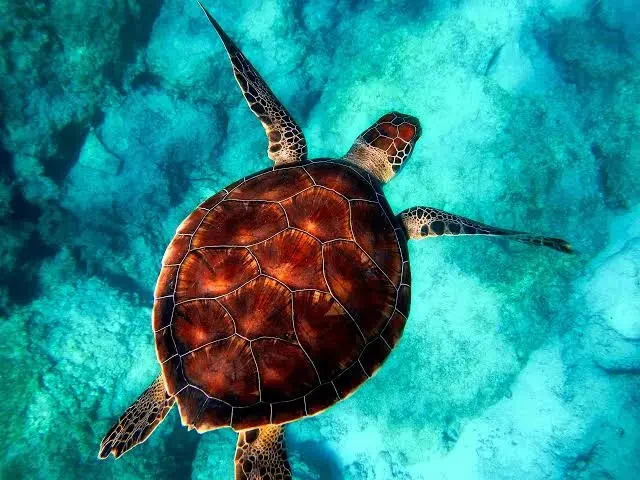
The surface of our blue planet hides a quiet, staggering transformation. While terrestrial headlines often focus on roaring wildfires, parched agricultural belts, and record-breaking atmospheric heatwaves, a much larger thermal absorption engine is operating unseen beneath the waves. The world’s oceans have acted as Earth's ultimate climate shock absorber, taking in more than ninety percent of the excess heat generated by decades of industrial carbon emissions. Yet, this invisible service comes with a devastating ecological invoice. Warming waters are fundamentally rewriting marine ecosystems, threatening global food security, and upending the livelihoods of coastal communities who have fished the same waters for centuries.
The Thermal Cascade: From Plankton to Apex Predators
To understand how ocean warming threatens food security, one must look at the microscopic foundations of marine life. Phytoplankton—tiny drifting organisms that form the base of the marine food web—thrive in specific temperature and nutrient bands. As upper ocean layers warm, thermal stratification increases. Warm, light water sits stubbornly on top of cold, nutrient-dense water, cutting off the vertical mixing that brings vital nitrates and phosphates to the surface.
This nutrient starvation ripples upward through every single trophic level. Zooplankton populations decline or shift in composition, leaving forage fish like sardines, anchovies, and herring with dwindling food supplies. Consequently, larger predatory fish, marine mammals, and seabirds face severe food shortages.
At the same time, marine heatwaves—prolonged periods of anomalously high sea surface temperatures—have become more frequent and intense. These underwater heat domes cause widespread coral bleaching, turning vibrant, biodiverse reef ecosystems into bleached underwater ghost towns. Because coral reefs serve as nurseries for approximately twenty-five percent of all marine life, their collapse immediately devastates the recruitment of young fish stocks that commercial fisheries rely upon.
The Great Migration: Fish on the Move
Marine species are essentially tethered to their preferred thermal comfort zones. As seawater temperatures creep upward, fish are not passively waiting to overheat; they are voting with their fins. Thousands of marine species are currently migrating toward the poles or diving deeper into the pelagic zone in search of cooler water.
This mass migration creates severe geopolitical and economic friction. Traditional fishing grounds that have sustained coastal villages, regional economies, and national food supplies for generations are emptying out. When commercially valuable species cross maritime borders following thermal gradients, international disputes over fishing quotas flare up.
For artisanal fishers—who operate small boats and lack the capital or range to follow migrating stocks hundreds of miles offshore—the impact is immediate and devastating. Their catches shrink year over year, pushing families into financial precarity and stripping communities of their primary source of daily nutrition.
Nutritional Vulnerability and Global Protein Security
The stakes extend far beyond the economic loss of the fishing industry; they strike directly at human nutrition. More than three billion people worldwide rely on fish and seafood as their primary source of animal protein. In many developing coastal and island nations, fish provides essential micronutrients—such as omega-3 fatty acids, zinc, iron, and calcium—that are difficult to source from land-based agriculture.
As fish stocks decline or become contaminated by biotoxins linked to warming-induced algal blooms, vulnerable populations face hidden hungers and nutritional deficiencies. The collapse of local fisheries forces communities to transition to cheaper, highly processed land-based foods, triggering rising rates of diet-related health complications. Furthermore, the broader economic footprint of the seafood sector—spanning processing plants, transport logistics, and coastal tourism—suffers compounding losses as marine habitats degrade.
Turning the Tide: Adaptation and Mitigation
Halting this ecological unraveling requires a two-pronged strategy: aggressive global carbon emission reductions to stabilize ocean temperatures, and robust local resilience measures.
Governments and conservation organizations are increasingly focusing on the creation of large-scale marine protected areas (MPAs), which give ecosystems breathing room to build natural resilience. Curbing destructive overfishing practices, reducing agricultural nutrient runoff that feeds coastal dead zones, and restoring coastal blue carbon ecosystems—such as mangroves, seagrasses, and salt marshes—further shield marine life from the worst effects of climate change.
Ultimately, protecting the ocean is not merely an environmental crusade; it is a fundamental pillar of human survival and economic stability. As the thermal inertia of our seas continues to unfold, proactive management of marine resources will determine whether future generations inherit a bountiful ocean or an exhausted marine desert.
Frequently Asked Questions (FAQ)
Q: How do warming oceans directly impact global food security?
A: Rising ocean temperatures disrupt marine food webs, cause commercially vital fish stocks to migrate toward the poles, and trigger stock declines. This directly impacts billions of people who rely on seafood as their primary source of daily protein and micronutrients.
Q: What is thermal stratification in the ocean, and why is it dangerous?
A: Thermal stratification occurs when upper layers of seawater become significantly warmer and lighter than deep water. This acts like a physical barrier, preventing the vertical mixing of nutrients from the deep ocean to the surface, starving microscopic phytoplankton and collapsing the base of the marine food web.
Q: Why are coral reefs so important to marine food webs?
A: Coral reefs act as vital breeding grounds, nurseries, and habitats for roughly a quarter of all marine species. When marine heatwaves cause coral bleaching and mortality, young fish lose their shelter, leading to plummeting populations across the entire ecosystem.
Q: What can local communities and governments do to protect fisheries?
A: Effective local measures include establishing marine protected areas, enforcing sustainable fishing quotas, reducing agricultural pollution runoff, and restoring coastal habitats like mangroves and seagrasses that naturally filter water and buffer shorelines.







Comments
Leave a Comment
Your email address will not be published. Required fields are marked *