
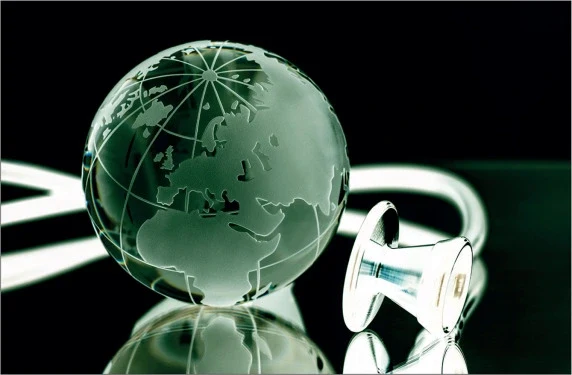
The intersection of environmental degradation and human mortality has long been a subject of urgent study, but recent comprehensive figures released by the World Health Organization bring a startling clarity to what is at stake. According to international health assessments, implementing six strategic climate and health measures globally could prevent an estimated 1.6 million deaths every year. This revelation shifts the climate conversation away from abstract temperature goals and carbon accounting, anchoring it firmly in the immediate preservation of human life.
The Core Pillars of the WHO Initiative
At the heart of the WHO’s framework are six interventions designed to target the most pervasive environmental risk factors. These encompass expanding universal access to safe drinking water, sanitation, and hygiene (WASH); transitioning households to clean energy sources for cooking and heating; and scaling up heat-health warning systems in vulnerable urban and rural communities. Furthermore, the framework emphasizes broad environmental protections and economic shifts, particularly the implementation of proper pricing structures on fossil fuels.
For decades, public health advocates argued that environmental policy was separate from healthcare delivery. The latest findings dismantle this separation. Air pollution caused by the burning of fossil fuels, combined with waterborne diseases exacerbated by shifting weather patterns, forms a continuous loop of morbidity. When governments invest in clean household fuels and modern sanitation, hospital admissions for respiratory infections and diarrheal diseases plummet almost overnight.
Economic Benefits and Fiscal Realities
Beyond saving 1.6 million lives annually, scaling up these six measures carries profound macroeconomic implications. Financial analyses accompanying the report indicate that these combined actions could generate approximately $9.3 trillion in combined annual economic and fiscal benefits. These returns stem from reduced healthcare expenditures, lower absenteeism rates in the workforce, and heightened productivity across developing and developed economies alike.
However, realizing these benefits requires overcoming significant structural hurdles. The realization of this trillion-dollar health dividend heavily depends on political courage—specifically, the willingness of world leaders to institute higher taxes and fiscal adjustments on fossil fuels. While taxation on carbon-heavy energy sources creates immediate resistance, the long-term savings to public health systems far outweigh the initial political friction. Low- and middle-income countries stand to gain the most, as their populations suffer a disproportionate share of environmentally induced illnesses.
A Call for Cross-Sector Integration
As global climate conferences continue to evolve, health considerations have frequently been relegated to the sidelines of formal economic negotiations. Experts argue that this must change. Treating climate change as a purely meteorological or industrial challenge ignores the biological reality of our species. Integrating health metrics into national adaptation plans allows governments to track progress not just in parts per million of carbon, but in lives saved and childhood asthma cases avoided.
Frequently Asked Questions (FAQ)
Q: What are the six specific measures highlighted in the WHO report?
A: The measures focus on universal access to clean water, sanitation, and hygiene (WASH), clean household fuels, heat-health early warning systems, broader environmental protections, and robust economic pricing mechanisms for fossil fuels.
Q: How do fossil fuel taxes protect human health?
A: Higher prices on fossil fuels discourage carbon-heavy consumption, reducing ambient air pollution that causes millions of annual deaths from stroke, heart disease, lung cancer, and chronic respiratory illnesses.
Q: Which regions benefit the most from these proposed changes?
A: While every nation benefits, low- and middle-income countries stand to experience the greatest reduction in preventable mortality and economic strain due to their higher vulnerability to environmental hazards.





Comments
Leave a Comment
Your email address will not be published. Required fields are marked *