
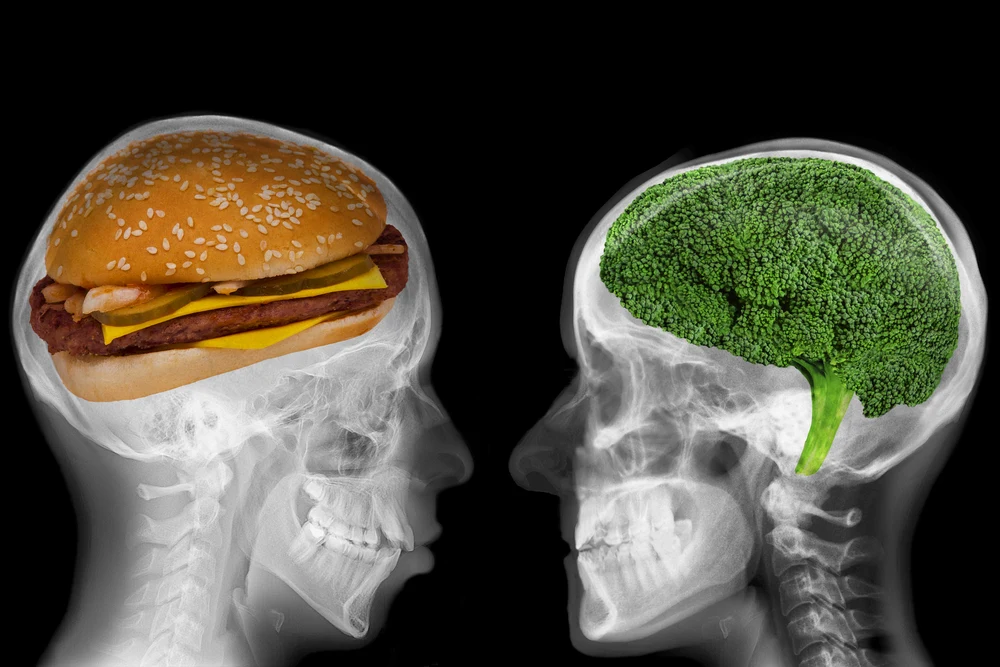
Modern grocery store aisles are heavily dominated by convenience. From ready-to-heat frozen dinners and packaged snack cakes to artificially flavored breakfast cereals, instant noodle packets, and mass-produced soft drinks, ultra-processed foods (UPFs) have become a foundational pillar of the standard daily diet in many industrialized nations. While public health campaigns have long warned about the clear links between these manufactured products and metabolic disorders, type 2 diabetes, cardiovascular disease, and obesity, a wave of recent medical investigations has shifted the scientific spotlight toward a far more alarming target: human brain health and neurological longevity.
Ground groundbreaking studies published by neuroscientists, epidemiologists, and clinical researchers are beginning to uncover unsettling correlations between heavy UPF consumption, structural brain modifications, altered neural reward pathways, and progressive cognitive decline. These emerging findings are forcing the global medical community to reevaluate how industrial food additives, chemical emulsifiers, and heavy nutritional processing impact the human brain over the course of a lifetime.
Defining Ultra-Processed Foods: What Are We Actually Consuming?
To understand the full scope of current medical research, it is essential to look at what separates an ultra-processed food from a minimally processed or whole food. According to the widely utilized NOVA food classification system, ultra-processed foods are industrial formulations made mostly from cheap, refined agricultural extracts, isolated macronutrients, and synthetic chemical additives.
These items typically undergo multiple intensive physical and chemical transformations. They are purposefully engineered by food scientists to be hyper-palatable—designed specifically to trigger sensory overload and dopamine spikes through precise, irresistible combinations of refined sugar, sodium, and trans fats. Common ingredients found in everyday UPFs include hydrogenated oils, high-fructose corn syrup, soy protein isolates, texturizing agents, synthetic emulsifiers, and artificial flavor enhancers. Because they require little to no preparation, they offer unmatched convenience and affordability, but their nutritional profiles are entirely stripped of natural dietary fiber, vital micronutrients, and protective antioxidants.
Inside the Lab: Silent Brain Injuries and Vascular Health
One of the most compelling pieces of recent neurological research stems from large-scale, long-term population studies evaluating middle-aged and older adults. In comprehensive investigations analyzing dietary patterns alongside detailed brain imaging, scientists discovered a troubling pattern among individuals with heavy, sustained UPF consumption.
Researchers utilized advanced magnetic resonance imaging (MRI) to scan the brains of thousands of healthy participants, looking specifically for subclinical markers of cerebrovascular disease. These markers included small, hidden areas of tissue damage, commonly referred to as white matter hyperintensities and silent brain infarcts. While these microscopic injuries often occur without immediate, noticeable symptoms, sudden strokes, or acute motor deficits, they are established warning signs of progressive vascular brain injury and are strongly linked to an elevated long-term risk of cognitive decline, executive dysfunction, and clinical dementia.
The data revealed that participants who consumed the highest proportions of ultra-processed foods faced a noticeably elevated likelihood of presenting these silent brain structural changes compared to those whose diets relied primarily on fresh or minimally processed ingredients. Crucially, these neurological markers often appeared before any measurable drops in standard cognitive testing were detected, suggesting that dietary habits may silently harm cerebral blood vessels and neural architecture long before an individual notices memory trouble.
Developing Brains: How UPFs Alter the Reward System
The growing concern over ultra-processed foods is not limited to aging adults or age-related cognitive decline. Recent pediatric and adolescent brain-imaging research has shown that young people who regularly consume high amounts of UPFs exhibit distinct, altered neurological responses to food cues and environmental marketing.
When researchers tracked children and scanned their brain activity while they viewed images of tempting, heavily marketed foods, those with diets high in ultra-processed products showed heightened neural activity within the brain's primary reward centers, particularly the striatum. This heightened neurobiological sensitivity to junk food marketing and visual triggers was subsequently tied to greater increases in body fat percentage and overall body mass index (BMI) over the following year.
This creates a vicious biological loop: industrial formulations physically condition the developing brain to crave more hyper-palatable foods, reinforcing poor dietary habits from an early age and embedding long-term neurological and metabolic health risks well into adulthood.
Why Might Ultra-Processed Foods Harm the Brain?
While observational epidemiological studies cannot definitively prove direct cause-and-effect on their own, neuroscientists, dietitians, and nutritional epidemiologists have proposed several compelling biological mechanisms explaining how UPFs may damage neurological tissue over time:
Systemic Low-Grade Inflammation: Diets heavy in refined sugars, unhealthy fats, and synthetic chemical emulsifiers promote chronic, low-grade systemic inflammation throughout the body. This persistent inflammation can gradually compromise the structural integrity of the blood-brain barrier, allowing inflammatory cytokines and immune molecules to infiltrate sensitive cerebral tissues.
Oxidative Stress and Cellular Damage: The complete lack of natural antioxidants in highly processed formulations means the body receives fewer nutritional tools to fight off harmful free radicals, accelerating cellular damage within neurons, glial cells, and cerebral blood vessels.
Vascular Compromise: High sodium contents and harmful fats degrade endothelial function—the delicate health of the inner lining of blood vessels—reducing the optimal micro-blood flow necessary to keep brain tissue oxygenated and metabolically resilient.
Gut-Brain Axis Disruption: Emulsifiers, artificial sweeteners, and preservatives alter the delicate, complex balance of the human gut microbiome. Because the gastrointestinal tract communicates directly with the brain via the vagus nerve and metabolic signaling byproducts, a disrupted microbiome can negatively impact mood regulation, neuroprotection, and cognitive processing.
Frequently Asked Questions (FAQ)
1. What are classified as ultra-processed foods?
Ultra-processed foods are industrial formulations made entirely or mostly from substances extracted from foods or synthesized in laboratories. They typically include packaged snack chips, sugary breakfast cereals, carbonated soft drinks, instant ramen noodles, mass-produced packaged breads, and ready-to-heat frozen meals.
2. Do ultra-processed foods cause immediate cognitive failure?
No. Recent medical studies show that the neurological changes associated with high UPF intake—such as white matter hyperintensities or markers of vascular brain injury—develop gradually over many years, often appearing long before any noticeable memory loss or clinical cognitive deficits become apparent.
3. Are all processed foods bad for brain health?
Not all processing is harmful. Minimally processed foods—such as pasteurized milk, frozen vegetables without added sauces or preservatives, canned beans, and freshly baked whole-grain bread—retain most of their nutritional value and do not carry the same systemic health risks as ultra-processed formulations.
4. How can individuals reduce their exposure to ultra-processed ingredients?
The most effective approach is prioritizing whole or minimally processed foods. Cooking meals from scratch using fresh produce, reading ingredient nutrition labels to avoid long lists of chemical additives and unpronounceable compounds, and replacing sugary beverages with plain water or unsweetened tea are practical steps toward better long-term brain health.








Comments
Leave a Comment
Your email address will not be published. Required fields are marked *