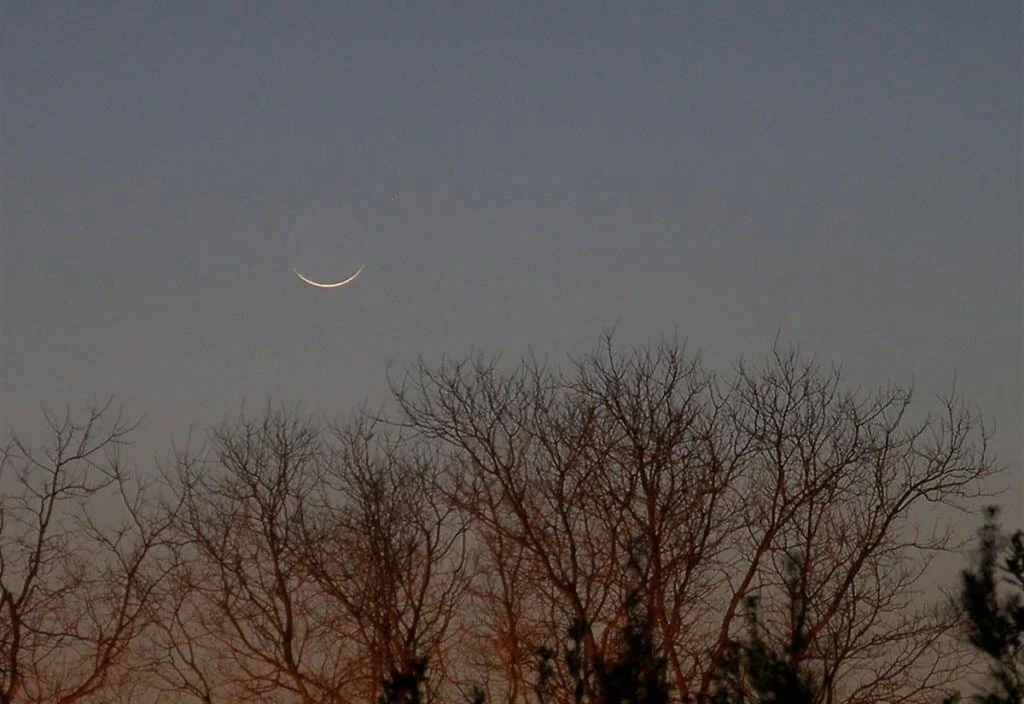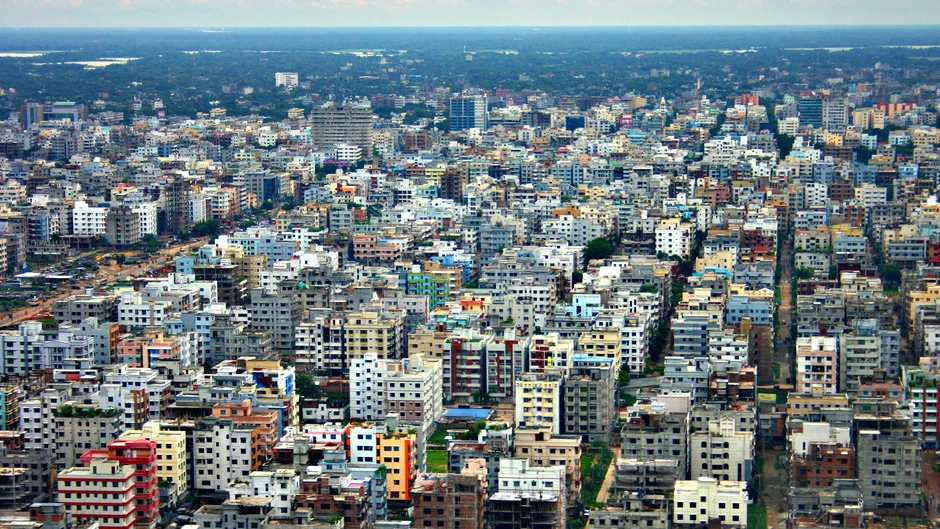

A memorable skyline photograph depends on more than fitting every building into the frame. Viewpoint, light, foreground, weather, and timing shape how the city feels. Planning those elements makes the image more deliberate while still leaving room to respond to changing conditions.
Find a viewpoint with depth
Look for a river, bridge, street, park, or elevated public location that creates layers between the camera and the skyline. Check whether photography is permitted and keep paths clear. A strong foreground can guide attention, while too many competing objects may make the frame difficult to read.
Work with changing light
Arrive early enough to observe how shadows, reflections, signs, and building lights change. Stabilise the camera when using a slower shutter speed, and review highlights so bright signs do not lose all detail. Make several considered frames rather than relying on one hurried exposure.
Edit for clarity, not invention
Straighten horizons, correct obvious colour casts, and adjust contrast carefully while keeping the scene believable. Avoid removing meaningful context or presenting a heavily altered composite as documentary reality. Good editing should support the original observation instead of replacing it.