The Truth About Smog: What It Is, Why It Happens, and Its Impact
What is Smog?
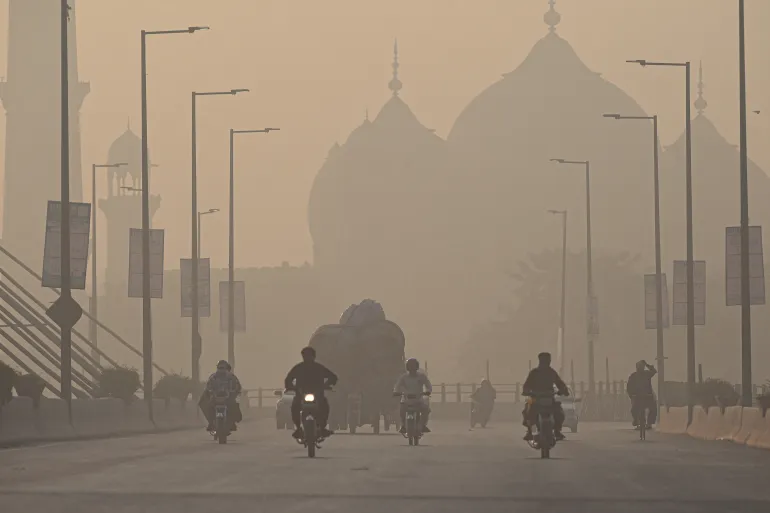
Smog is that thick, grayish haze you often see hovering over cities, especially during hot summer days and even during winter days. It’s a mix of smoke and fog, and it can make the air feel heavy and hard to breathe. Imagine trying to see through a dirty window; that’s what smog does to our view of the world around us.
Classification:
It can be categorized into two primary types: summer smog and winter smog, with its occurrence varying based on the season and atmospheric conditions.
| Summer Smog | Winter Smog | Spring Smog |
| Also referred to as photochemical smog, this variety is most frequently observed during the summer months, attributed to higher temperatures and increased sunlight. It forms when nitrogen oxides and volatile organic compounds interact with sunlight, leading to a brownish haze in the air. | During the winter season, it primarily consists of particulate matter. Pollutants tend to accumulate in the lower atmosphere during winter due to cold weather, rainfall, and dry conditions.
|
It occurrences can also take place in the spring, primarily driven by a rise in inorganic particulate matter.
|
How Does Smog Form?
It forms when sunlight shines on pollutants like car exhaust, factory emissions, and chemicals from household products. Think of it like a recipe: you add the right ingredients, mix them together, and what do you get? A dense, unhealthy layer of haze.
Here are some key ingredients in the smog recipe:
- Vehicle Emissions: Cars, trucks, and buses release gases like nitrogen oxides and hydrocarbons. These are critical players in creating smog.
- Industrial Pollution: Factories produce many pollutants. When these get mixed with sunlight, they can increase smog levels significantly.
- Weather Conditions: Hot, sunny days often lead to more smog because sunlight helps create ground-level ozone, a major component of it. Wind can also push pollutants into one area, creating dense patches of smog.
Why is Smog a Problem?
It isn’t just unsightly; it poses serious risks to our health. Breathing in this polluted air can lead to a variety of health problems.
Health Effects:
- Respiratory Issues: It can cause coughing, wheezing, and shortness of breath. It’s like having a heavy weight placed on your chest, making it hard to take a deep breath.
- Worsening Conditions: For people with asthma or other lung conditions, It can make symptoms worse. It’s a troubling cycle; the more polluted the air, the more challenging it becomes to breathe easy.
- Long-Term Impact: Prolonged exposure to it can lead to serious health issues, including heart disease and reduced lung function. It’s like running a marathon in a fog; eventually, you’re going to tire out.
Environmental Consequences:
It doesn’t just affect our health; it harms the environment too. It can damage crops, forests, and even animal habitats. When plants are exposed to high levels of smog, they can’t photosynthesize effectively, which means less oxygen for all of us.
How to Combat It:
While it might feel overwhelming, there are ways to fight back against this biochemical problem. Governments and communities can work together to reduce emissions by promoting cleaner transportation options and implementing stricter regulations on factories.
On a personal level, people can help by carpooling, using public transport, or biking when possible. Every little bit counts. It’s similar to dropping a pebble in a pond; those ripples can create larger changes over time.
Conclusion: A Call to Action
It is a complex problem with simple roots — pollution from our daily lives. Understanding what it is and how it affects us can empower us to make better choices for our health and the environment. The next time you see a layer of grayish haze hanging in the air, remember: it’s not just a nuisance; it’s a call to action. Let’s work together to clear the air and build a healthier future.