
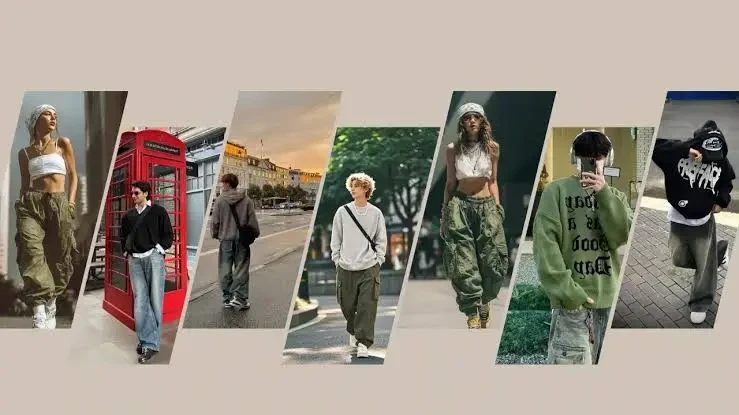
Streetwear has always been a living, breathing archive of cultural subversion, youthful rebellion, and artistic cross-pollination. What started decades ago as the uniform of skateparks, hip-hop culture, and underground graffiti scenes has gradually morphed into the undisputed heavyweight champion of the global fashion industry. Yet, streetwear is uniquely allergic to stagnation. The moment a particular silhouette or graphic style becomes too comfortable, too widely adopted, or too corporate, the culture pivots hard in an entirely new direction.
We are currently standing in the middle of one of those massive cultural pivots. As we move deeper through 2026, the hyper-saturated logomania and predictable oversized hoodies that dominated the late 2010s and early 2020s are taking a backseat. In their place, a sophisticated, highly eclectic wave of design philosophies is taking over global capitals from Tokyo and Seoul to London, New York, and Paris.
This current era of streetwear is less about shouting your brand loyalty across your chest and more about texture, quiet technical utility, nostalgic reclamation, and radical gender fluidity. If you want to understand how the global street uniform is evolving right now, you need to look at the intersection of high-concept craftsmanship and raw, utilitarian grit.
The Rise of Technoid Utility and Functional Dystopia
One of the most dominant visual shifts defining style in 2026 is the maturation of technical apparel, often colloquially dubbed "technoid utility" or "post-apocalyptic outdoor." For years, outdoor brands and technical gear manufacturers operated in a separate galaxy from high fashion. Hikers wore Gore-Tex jackets for rain; clubgoers wore leather jackets for style.
Today, those boundaries have completely dissolved. Driven by unpredictable weather patterns, a collective cultural obsession with survivalist aesthetics, and the relentless influence of techwear pioneers, modern streetwear has embraced high-performance gear as everyday luxury.
Advanced Weatherproofing: Breathable multi-layer shells, taped seams, and water-repellent membranes are standard features on everyday jackets, cargo pants, and modular vests.
Modular Adaptability: Garments featuring removable sleeves, convertible pockets, and customizable strap systems allow wearers to alter their silhouettes and functionality on the fly.
Earth-Toned Palettes: Eschewing the neon brights of early technical wear, the current palette favors mineral tones, basalt grays, moss greens, scorched earth, and deep obsidian blacks.
This style resonates because it speaks directly to our modern anxiety while offering genuine utility. It is clothing built to withstand the concrete jungle just as effectively as a mountain trail.
Neo-Y2K Meets Archive Revival: The Nostalgia Loop
Fashion has always looked backward to move forward, but the timeline of nostalgia has accelerated dramatically. The early 2000s—once dismissed as an awkward era of low-rise denim and oversized sunglasses—have undergone a complete rehabilitation. However, today’s embrace of Y2K aesthetics is far more discerning and archive-obsessed than the surface-level revivals of a few years ago.
Younger creators and trendsetters are digging deep into late 90s and early millennium skate culture, techno subcultures, and obscure athletic sub-brands. They are hunting down rare vintage pieces on global marketplaces, mixing them with contemporary tailoring, and creating a distinct pastiche of the past and future.
Technical Denim: Heavyweight, structured denim with exaggerated wide-leg cuts, intricate paneling, and contrast stitching dominates lower-body silhouettes.
Retro-Futuristic Footwear: Bulky skate shoes from the early 2000s are enjoying a massive renaissance, prized for their chunky proportions and cushioned comfort compared to minimalist sneakers.
Digital-Era Graphics: Pixelated graphics, early internet typography, and metallic silver finishes channel a pre-smartphone optimism that feels both alien and comforting.
This trend is not about mindless mimicry; it is an act of curation. Today’s streetwear enthusiast treats their wardrobe like a curated personal archive, blending genuine vintage gems with modern interpretations.
Soft Masculinity and Gender-Fluid Silhouettes
Perhaps the most culturally significant shift in 2026 streetwear is the absolute normalization of gender-fluid design. For decades, traditional streetwear was hyper-masculine, rooted in baggy basketball shorts, heavy jerseys, and rigid boxy cuts designed exclusively for men.
The new generation of global streetwear designers has thrown those old rulebooks into the shredder. Fluidity is no longer an experimental capsule collection shown once a year during fashion week; it is the baseline operating principle for many of the world's most exciting independent labels.
This shows up primarily in the manipulation of proportion, fabric choice, and detailing. Men are confidently embracing draped silhouettes, sheer layering pieces, delicate floral embroidery, pearl jewelry, and traditionally feminine color palettes like lavender, blush pink, and cream. Conversely, feminine streetwear styling frequently plays with hyper-masculine workwear jackets and oversized tailoring, creating a harmonious middle ground where clothing is appreciated strictly for its form, drape, and texture rather than its historical gender assignment.
The Shift Toward Craftsmanship and Sustainability
As the global fashion industry faces intense scrutiny over its environmental footprint, fast-fashion streetwear has hit a cultural wall. Wearing a poorly made, mass-produced graphic tee that falls apart after three washes has lost its appeal.
In its place, a vibrant counter-movement centered around artisan craftsmanship, upcycling, and slow fashion has taken root. Independent designers are utilizing deadstock fabrics, hand-dying garments with natural indigo, and incorporating traditional textile techniques like sashiko stitching and patchwork into modern streetwear silhouettes.
This appreciation for provenance and durability means that clothing carries a story. When you buy a jacket today, you aren't just buying a trend; you are investing in a piece of wearable art crafted to last for decades.
Looking Ahead: The Permanent Evolution of Street Culture
Streetwear has officially graduated from a niche subculture into the dominant vernacular of modern style. As we navigate through 2026 and look toward the horizon, the culture proves that its greatest strength is its adaptability. It absorbs art, technology, history, and social consciousness, twisting them into something fresh and exciting.
The styles taking over the streets today remind us that fashion is ultimately an act of storytelling. Whether through the rugged practicality of technoid utility, the playful nostalgia of archival revivals, or the liberating fluidity of ungendered silhouettes, modern streetwear continues to push boundaries, challenge conventions, and invite everyone to write the next chapter.
Frequently Asked Questions (FAQ)
What defines the biggest streetwear trends in 2026?
The current landscape is defined by technoid utility gear, archival Y2K nostalgia, gender-fluid silhouettes, and a shift away from loud logomania toward quiet craftsmanship and premium textures.
Is logomania completely dead in modern streetwear?
While loud, oversized brand logos have largely faded from high-end streetwear, subtle branding, embroidered emblems, and heritage insignias still exist. The focus has shifted from showing who made the garment to appreciating how it was made.
How has footwear changed in the current streetwear scene?
The era of hyper-minimalist sneakers has given way to chunky, technical runners, retro early-2000s skate shoes, and hybrid footwear that blurs the line between outdoor hiking boots and urban fashion.
Why is gender-fluid fashion so prominent in modern streetwear?
Younger consumers reject rigid sartorial rules. Designers are responding by creating oversized, adaptable silhouettes that drape naturally on any body type, prioritizing personal expression over traditional gender norms.







Comments
Leave a Comment
Your email address will not be published. Required fields are marked *