
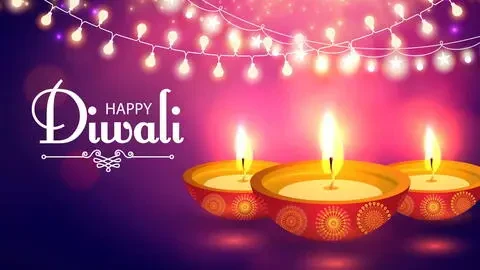
Every autumn, as the evening air turns crisp and the moon wanes into a quiet crescent, India undergoes a breathtaking transformation. Millions of homes, bustling market streets, ancient temples, and towering skyscrapers burst into a warm, golden radiance. This is Diwali—the Festival of Lights—arguably the most anticipated, culturally rich, and spiritually significant celebration in the South Asian calendar.
Far beyond the dazzling fireworks and the flicker of clay oil lamps, Diwali serves as a powerful cultural anchor. In an increasingly fast-paced and digital world, this ancient festival continues to act as a profound social glue, drawing dispersed families back under one roof and bridging community divides with warmth, shared meals, and timeless traditions.
The Roots and Resonance of Diwali
Diwali, or Deepawali—meaning "a row of lights"—derives its core symbolism from the victory of light over darkness, knowledge over ignorance, and good over evil. While the narrative traditions vary by region, the underlying emotional and spiritual resonance remains universal.
In northern India, the festival joyfully commemorates the triumphant return of Lord Rama, Sita, and Lakshmana to Ayodhya after fourteen years of exile and their decisive victory over the demon king Ravana. To welcome their beloved prince home, the citizens of Ayodhya illuminated the path with countless earthen lamps (diyas). In southern India, the day often marks the vanquishing of the demon Narakasura by Lord Krishna, symbolizing the cleansing of impurity and ego. Meanwhile, in western and eastern regions, it aligns with honoring Lakshmi, the goddess of wealth and prosperity, and Kali, the fierce embodiment of divine energy overcoming evil.
Despite these diverse mythological roots, the lived experience of Diwali shares a singular heartbeat: the celebration of renewal, gratitude, and human connection.
The Art of Preparation: Cleansing and Homecomings
The magic of Diwali begins weeks before the actual night of celebration. In Indian households, the festival triggers an intensive, deeply symbolic ritual of cleaning and decluttering. Every corner of the house is swept, dusted, and scrubbed clean. This meticulous purging of the old is believed to invite Goddess Lakshmi into homes that are pure, welcoming, and orderly.
Following the cleaning comes the vibrant visual artistry. Doorways are adorned with intricate rangolis—colorful patterns crafted from rice flour, flower petals, and colored powders meant to welcome guests and deities alike. Lanterns (kandils) are hung from balconies, and rows of handmade diyas are carefully placed along windowsills.
Crucially, Diwali is synonymous with the great Indian homecoming. No matter where life, careers, or studies have taken them, family members make extraordinary efforts to reunite. Airports, railway stations, and highways swell with travelers carrying gift boxes filled with traditional sweets (mithai), dry fruits, and festive garments. The anticipation of sharing a meal around a crowded family table forms the emotional core of the holiday.
Sweets, Feasts, and Generosity: Sharing the Joy
Food is the universal language of celebration during Diwali, and kitchens transform into hubs of culinary magic. Days ahead of the festival, the air fills with the rich, comforting aromas of cardamom, saffron, ghee, and roasting nuts.
Families gather to prepare classic delicacies—from melt-in-the-mouth kaju katli and syrupy gulab jamuns to savory snacks like crunchy chakli and nampara. Exchanging these homemade sweets with neighbors, extended family members, and colleagues is an essential ritual. It represents mutual respect, sweetness in relationships, and community harmony.
Moreover, the spirit of Diwali extends far beyond immediate family circles. The festival places immense cultural emphasis on daan (charity) and generosity. Businesses distribute bonuses and gift hampers to employees, while individuals donate food, clothing, and sweets to the underprivileged. This collective ethos ensures that the warmth of the festival reaches every stratum of society, reinforcing a shared social contract of care and empathy.
Communities United Across Lines
In modern, multicultural India, Diwali transcends religious and regional boundaries. While rooted in Hindu tradition, the festival is embraced with immense enthusiasm by people of diverse backgrounds. Sikh communities celebrate Bandi Chhor Divas concurrently, marking the release of the sixth Guru from imprisonment, while Jains celebrate the attainment of moksha by Lord Mahavira.
Neighborhood associations organize communal celebrations, local markets buzz with festive shoppers of all faiths, and workplaces host vibrant gatherings where colleagues celebrate together. This cross-cultural participation highlights the inclusive nature of the festival, proving that the pursuit of light, peace, and togetherness is a universal human aspiration.
Frequently Asked Questions (FAQ)
1. What is the primary historical significance of Diwali?
Diwali commemorates the return of Lord Rama to Ayodhya after 14 years in exile, symbolizing the triumph of light over darkness and good over evil.
2. Why are clay lamps (diyas) lit during the festival?
The lighting of diyas represents the dispelling of spiritual darkness, ignorance, and negativity, while welcoming prosperity and divine light into the home.
3. How do families traditionally celebrate Diwali together?
Families reunite to clean and decorate their homes, create colorful rangolis, perform evening prayers (puja), burst firecrackers, exchange sweets, and share a large, festive meal.
4. Is Diwali celebrated exclusively by Hindus?
No. While rooted in Hindu tradition, Diwali is widely embraced across India and the diaspora by various communities, including Sikhs (who celebrate Bandi Chhor Divas) and Jains, fostering national and community unity.





Comments
Leave a Comment
Your email address will not be published. Required fields are marked *