A community cleanup is a practical way to help protect shared spaces, reduce litter, and support local environmental efforts. The best cleanup project is one that responds to a genuine local need, has a responsible organiser, and gives volunteers clear guidance on safety, waste collection, and disposal.
Whether the activity involves cleaning a beach, park, neighbourhood, school area, roadside, or other public space, choosing an organised project helps ensure that volunteer efforts create useful and lasting results.
What Is a Community Cleanup?
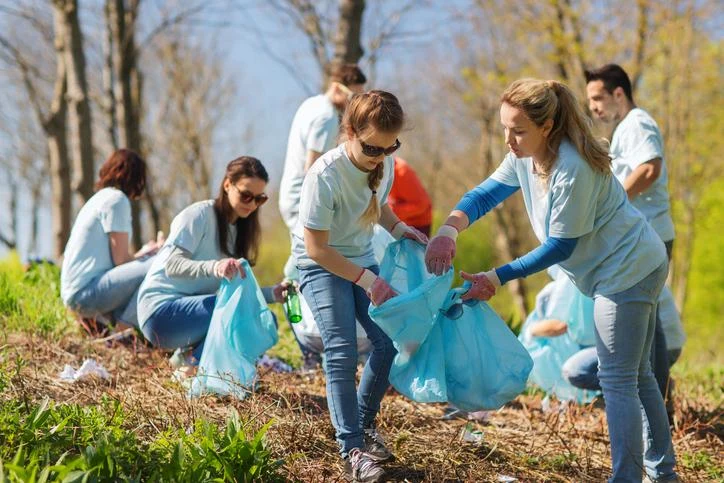
A community cleanup is an organised volunteer activity focused on removing litter, waste, or unwanted debris from a shared area.
Cleanup projects may be coordinated by municipalities, schools, environmental organisations, conservation groups, neighbourhood associations, businesses, or established community teams. Depending on the location, volunteers may collect general litter, separate recyclable materials, document waste, or assist with other approved environmental activities.
How Do You Choose a Good Community Cleanup?
Choose a project with a credible organiser, a clearly defined location and purpose, appropriate safety procedures, and a proper plan for collecting and disposing of waste.
Before volunteering, check who manages the event, what participants are expected to do, what equipment is provided, and how the collected material will be handled after the earth day cleanup.
Start With a Credible Local Organiser
Look for a municipality, school, community group, conservation organisation, or established local team that clearly identifies the purpose and location of the cleanup.
A well-organised project should make it clear who is responsible for permissions, volunteer coordination, waste collection and final disposal. If these details are missing, contact the organiser before committing.
This is particularly important because collecting waste without an appropriate disposal plan can simply move the problem from one location to another.
Match the Cleanup Activity to Your Abilities
Community cleanup projects can differ considerably in difficulty. Consider the walking distance, terrain, weather conditions, lifting requirements and expected duration.
Choose an activity that is appropriate for your physical abilities and experience. Families participating with children should check minimum-age requirements, supervision rules and whether the location is suitable for younger volunteers.
Some organisers may also provide different volunteer roles for people who prefer lighter physical activity.
Check the Cleanup Safety Plan
A responsible community cleanup organiser should provide basic safety instructions before volunteers begin work.
Guidance should explain what protective equipment is required, which areas are restricted, who to contact in an emergency and which materials volunteers must not touch.
Potential hazards can include:
Broken glass and sharp objects
Chemicals or unidentified substances
Medical or hazardous waste
Heavy or unstable debris
Moving vehicles and roadside traffic
Wildlife or environmentally sensitive areas
Volunteers should report potentially dangerous materials to the organiser rather than attempting to remove them without appropriate training or equipment.
Bring Only Recommended Equipment
Follow the organiser's instructions about what to bring.
Depending on the location and weather, volunteers may need closed footwear, suitable clothing, drinking water, gloves, sun protection or rain protection. Reusable personal items can also help avoid generating additional waste during the event.
Avoid bringing specialist collection or cutting tools unless the organiser specifically requests them. Equipment, waste separation and handling procedures should follow the event's established plan.
Find Out What Happens to the Collected Waste
A successful cleanup does not end when rubbish is placed into bags.
Ask how collected material will be separated, transported, recycled or disposed of. Organisers should have a defined process appropriate to the types of waste expected at the site.
Where waste auditing or reporting is part of the project, volunteers should follow the organiser's classification and recording procedures so that the resulting information remains useful.
Support the Community After the Cleanup
One cleanup can improve a location, but preventing waste from accumulating again can create greater long-term value.
After participating, follow any sorting, reporting or feedback process provided by the organiser. Volunteers can also support longer-term improvements by reducing unnecessary waste, using reusable products where practical, reporting recurring litter problems through appropriate local channels, or participating regularly in well-managed community projects.
Frequently Asked Questions
What should I look for in a community cleanup project?
Look for a credible organiser, clear volunteer instructions, appropriate safety procedures, a defined cleanup area and a proper plan for collecting and disposing of waste.
What should volunteers bring to a cleanup?
Bring only items recommended by the organiser. Common requirements may include suitable clothing, closed footwear, water, gloves and weather protection.
Can children participate in community cleanups?
Some community cleanups welcome families, but age limits and supervision requirements vary. Parents or guardians should confirm the organiser's rules and make sure the location and activities are appropriate for children.
What should volunteers avoid picking up?
Do not handle sharp objects, chemicals, medical waste, unidentified substances, unstable debris or other hazardous materials unless the organiser has specifically provided appropriate procedures, training and equipment.
Are community cleanups good for the environment?
Well-managed cleanups can remove litter from shared spaces and support local environmental initiatives. Their effectiveness depends on factors such as appropriate waste disposal, recycling practices, site management and efforts to prevent future litter.
How can I find a community cleanup near me?
Check official municipality resources, schools, recognised environmental or conservation organisations, community associations and established volunteer groups for organised cleanup opportunities in your area.
Home & Garden: “Home improvement projects, from practical storage upgrades to modern shower glass partition can also benefit from choosing durable materials and designs that reduce unnecessary replacement.”
Community: “Local volunteering can bring residents together around practical projects that address shared neighbourhood needs.”