
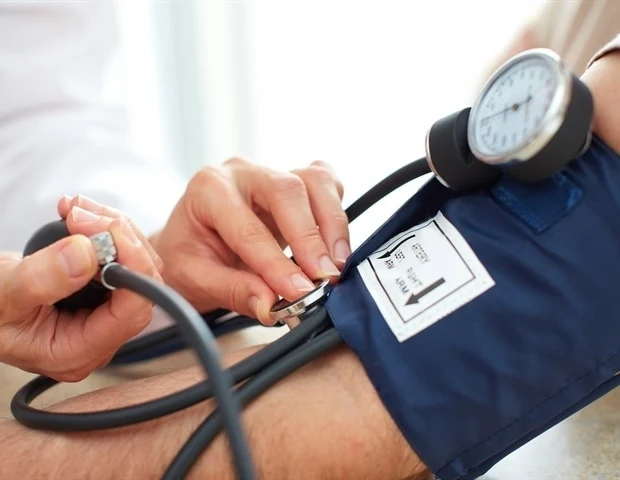
Managing high blood pressure usually requires an ongoing plan rather than a quick remedy. The goal is to lower the risk of heart, brain, kidney and blood-vessel complications while accounting for the individual’s health and other conditions.
Confirm the blood-pressure pattern
Healthcare professionals may use repeated clinic readings, home monitoring or ambulatory monitoring before deciding on treatment. Correct cuff size and technique are important. Home readings should be recorded accurately and discussed with the clinician rather than used to change medication independently.
Build sustainable daily habits
The National Heart, Lung, and Blood Institute’s treatment guidance recommends lifestyle measures that can include a heart-healthy eating pattern, lower sodium intake, physical activity, an appropriate weight, limited alcohol and stopping smoking.
The institute’s DASH eating-plan guidance emphasizes vegetables, fruits, whole grains, beans, nuts, fish, poultry and low-fat dairy while limiting foods high in saturated fat and added sugar. Dietary needs can differ for people with kidney disease, diabetes or other conditions.
Use medicines as prescribed
Some people need one or more blood-pressure medicines in addition to lifestyle changes. The choice and dose depend on the person’s readings, age, other conditions, possible side effects and response to treatment. Do not stop or alter a prescription without professional advice.
Follow up
Regular reviews help determine whether the plan is working. Seek urgent care for severe or rapidly developing symptoms such as chest pain, major breathing difficulty, weakness, confusion or vision changes, especially with a very high reading.






Comments
Leave a Comment
Your email address will not be published. Required fields are marked *