
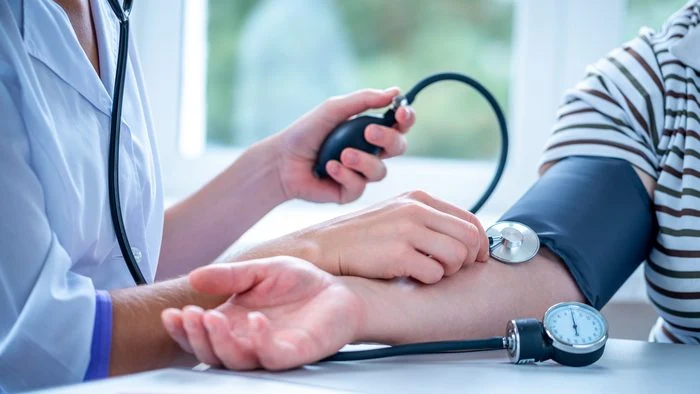
High blood pressure, also called hypertension, can damage blood vessels and organs even when a person feels well. It often has no warning symptoms, which is why an accurate blood-pressure measurement matters.
Why untreated high blood pressure matters
Persistently high pressure makes the heart and blood vessels work harder. Over time, this can contribute to heart disease, heart attack, stroke, kidney disease, vision problems and other complications. Risk is influenced by the blood-pressure level as well as factors such as age, smoking, diabetes, kidney disease and cholesterol.
How high blood pressure is detected
A single unusual reading does not always establish a diagnosis. A healthcare professional may repeat measurements or recommend monitoring outside the clinic. The cuff must fit properly, and the person being measured should follow the preparation instructions because posture, activity, caffeine and other factors can affect a reading.
The National Heart, Lung, and Blood Institute explains that an individual treatment plan depends on blood-pressure readings, overall cardiovascular risk and other medical conditions.
Reducing risk
Management may include a heart-healthy eating pattern, less sodium, regular physical activity, maintaining an appropriate weight, limiting alcohol, stopping smoking and taking prescribed medicine. The right plan is individual, and prescribed treatment should not be stopped without medical advice.
Very high readings accompanied by symptoms such as chest pain, severe breathlessness, weakness, confusion or vision changes require urgent medical attention. This article is general education and does not replace an individual medical assessment.





Comments
Leave a Comment
Your email address will not be published. Required fields are marked *