

This is an editorial review. Assessments of the season's quality are the author's opinion rather than an aggregate audience or critic score.
Squid Game Season 3 brings the Korean survival drama into its final stretch, continuing the consequences of the competition and the choices made by its central characters.
A darker final chapter
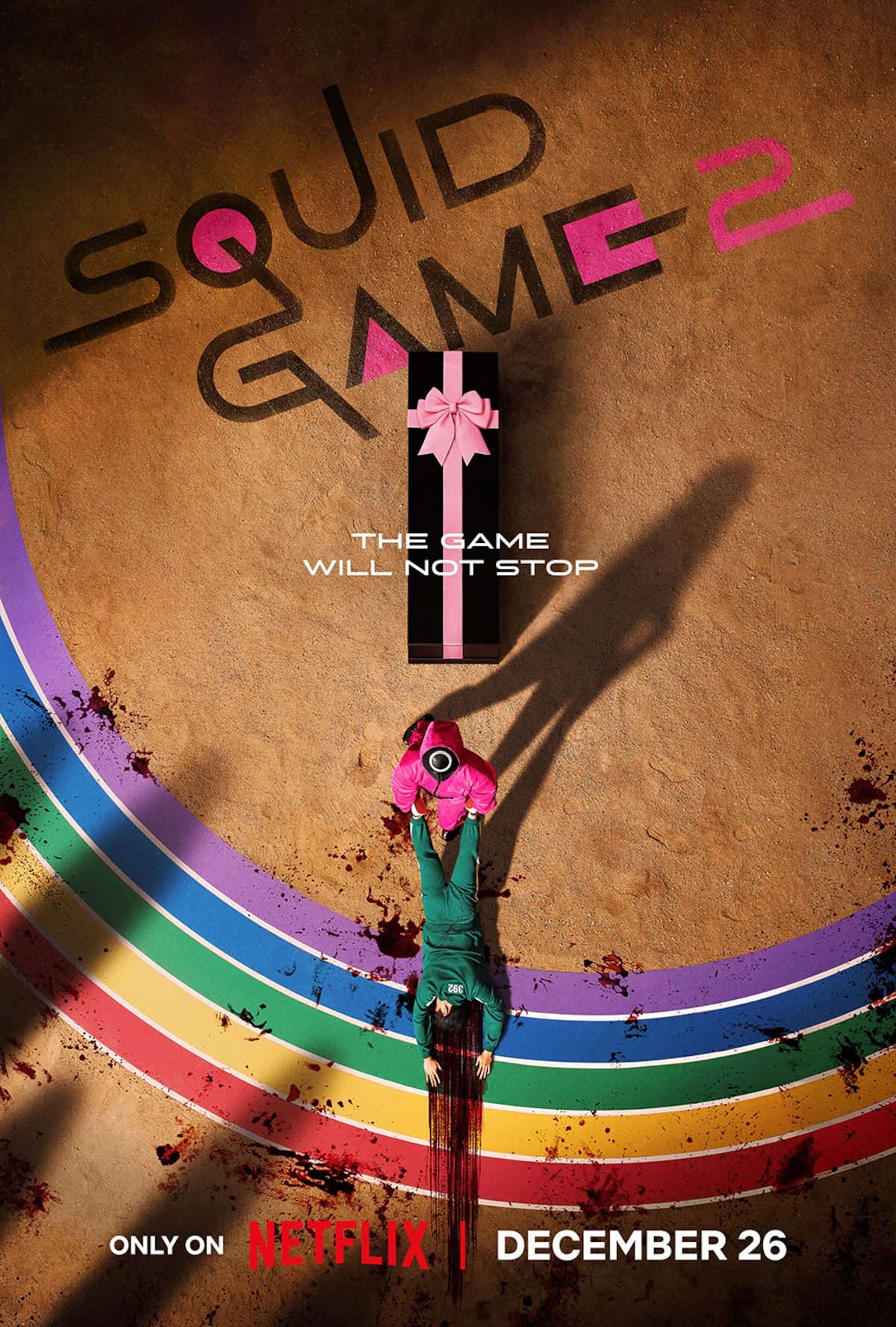
The season retains the series' familiar contrast between brightly designed game environments and the violence, fear and moral pressure experienced by the contestants. That visual contradiction remains one of the show's most recognizable storytelling devices.
The final season places particular emphasis on consequence. Earlier decisions follow the characters into the remaining games, while alliances and personal loyalties become increasingly difficult to maintain.
Characters and performances
The performances remain central to the drama. Rather than relying only on the mechanics of each game, the season spends substantial time on fear, grief, distrust and the decisions characters make under extreme pressure.
For viewers invested in the continuing story, this gives the final episodes emotional weight. At the same time, the bleak tone and repeated confrontations may feel exhausting to viewers who preferred the mystery and discovery of the first season.
Visual style
The production continues to use large geometric spaces, strong visual contrasts and childlike imagery to create an intentionally unsettling atmosphere. The games are presented not simply as action sequences but as environments designed to place ethical and psychological pressure on the participants.
Themes
As throughout the series, money, inequality, desperation, power and personal responsibility remain major themes. Season 3 continues asking how people behave when survival and financial reward are placed against loyalty and compassion.
Review
Season 3 works best as a conclusion for viewers already committed to the characters and central conflict. Its strongest moments come from character choices and the consequences of earlier events rather than from trying to reproduce the novelty of the original season.
It is deliberately grim and may not satisfy every viewer in the same way. Rather than presenting an invented universal rating, the fairest assessment is that reactions will depend heavily on what a viewer valued most about the earlier seasons.





Comments
Leave a Comment
Your email address will not be published. Required fields are marked *