Historical context: This article reflects reporting published on September 28, 2024. Names, positions, schedules, figures, and circumstances are presented as they were described at that time, not as a current update.
Clash of Cultures: The Difference Between Pakistani Dramas and Korean Dramas
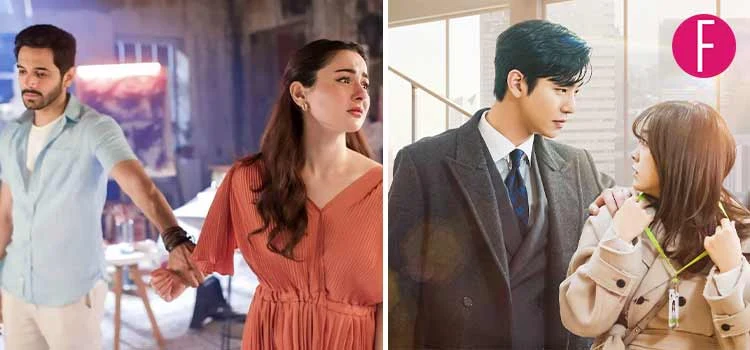
When it comes to TV dramas, two countries are creating waves around the world: Pakistan and South Korea. Both have their own unique styles, storytelling methods, and cultural influences. But what sets them apart? Let’s dive into the key differences between them:
Storytelling Style: Emotion vs. Plot Twist
Pakistani dramas often focus on intense emotional stories. They dive deep into family dynamics, love, and societal issues. You might find characters struggling with honor, duty, and sacrifice. The stories unfold slowly, allowing viewers to connect deeply with the characters. Think of it as a slow-cooked meal; the flavors blend together beautifully over time.
Korean dramas, on the other hand, are known for their fast-paced and sometimes wild plot twists. One moment, you might be enjoying a romantic scene, and the next, there’s a shocking revelation! It’s like riding a rollercoaster; you’re always on the edge of your seat. This keeps viewers guessing and eager for the next episode.
Cultural Reflection: Society vs. Fantasy
Pakistani dramas often reflect the society they originate from. They tackle real issues like gender roles, marriage, and class structures. It’s a mirror that shows the audience their own lives and challenges. This makes the stories relatable, as viewers see their own experiences reflected on screen.
In contrast, Korean dramas frequently incorporate fantastical elements, such as time travel, supernatural powers, or even quirky side characters. This creates a unique blend of reality and imagination. It is comparable to walking into a kaleidoscopic dream where the unexpected can occur, winning over the hearts of viewers.
Length and Format: Series Structure Matters
The structure of these dramas also differs significantly. Pakistani dramas usually run for several months with 20 to 30 episodes, allowing for detailed character development and complex plots. This extended format gives the audience a chance to really get to know the characters and their journeys.
Korean dramas, however, often wrap up their stories in 16 to 20 episodes, making them more concise. This shorter format means that every episode counts; there’s less room for filler content. It’s like a sprint compared to the marathon of Pakistani ones. Both have their merits, but the viewer’s preference may sway one way or the other.
Themes and Genres: Similarities and Differences
Both Pakistani and Korean dramas explore themes of love, family, and conflict, but how they do this varies greatly.
Pakistani dramas tend to have a more traditional focus, often highlighting arranged marriages, societal pressures, and moral values. They resonate deeply with viewers who appreciate the family-oriented narratives.
Korean dramas, while they also cover romance, frequently introduce a mix of genres, including comedy, thriller, and even sci-fi. This eclectic blend attracts a broader audience and keeps the stories fresh and engaging. It’s similar to a buffet, offering you the chance to select your favorite culinary options.
Character Development: Slow Build vs. Quick Resolution
In Pakistani dramas, character growth is often gradual. Viewers watch characters evolve over time, as they face various challenges and learn from their experiences. It fosters a feeling of engagement; you find yourself supporting their journey to triumph over challenges.
Korean dramas might resolve character arcs more quickly, often focusing on immediate relationships and feelings. This can bring a sense of closure by the end of the series, but it might leave some wanting more depth.
Conclusion: A World of Variety
Both Pakistani and Korean dramas offer unique experiences that cater to different tastes. While Pakistani dramas provide an emotional, realistic portrayal of society, Korean dramas often whisk viewers away into fantastical worlds with unexpected turns. Whichever you prefer, both are sure to keep you engaged, showcasing the richness of storytelling from two vibrant cultures. So, which one captures your heart?