

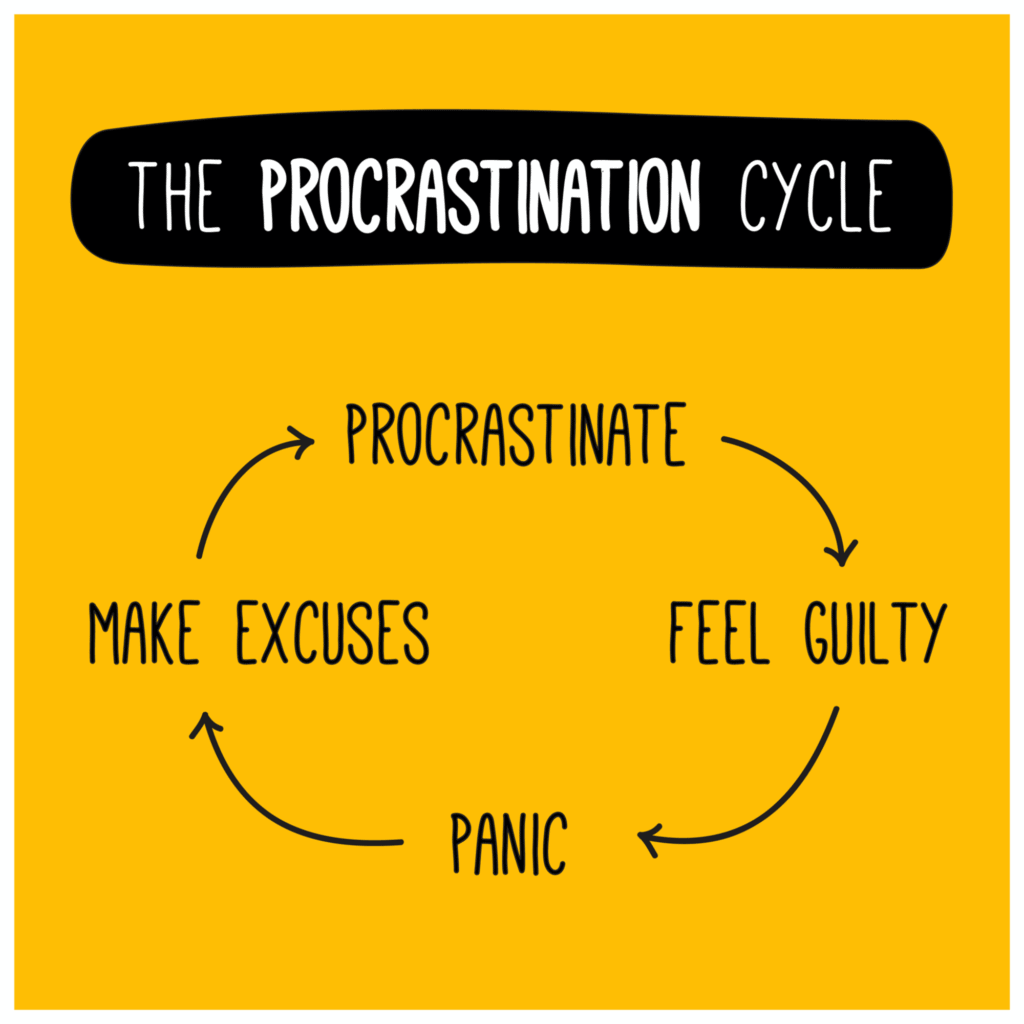
Psychology of Procrastination—and How to Beat It
Procrastination affects many people worldwide. Understanding its psychology helps break its grip and improve productivity. This blog explores why we procrastinate and effective ways to overcome it.
What Is Procrastination?
Procrastination is all about putting off tasks or avoiding them altogether, even when you know it might lead to negative outcomes. It usually comes from emotional challenges rather than just being bad at managing time. People often procrastinate to dodge feelings like anxiety, fear, or even boredom that come with the task at hand.
Why Do People Procrastinate?
Studies indicate that procrastination is closely tied to difficulties in managing emotions and moods. Many people opt for short-term comfort instead of focusing on long-term gains. When a task feels daunting or unpleasant, the likelihood of procrastination increases. Perfectionism and the fear of failing can make the situation even worse.
The Impact on Mental Health:
Procrastination can lead to stress, anxiety, and a dip in self-esteem. At first, it might seem like postponing work reduces stress, but it often results in even greater stress down the line. If it becomes a chronic habit, procrastination can contribute to depression and other mental health challenges. It can also disrupt sleep quality and overall well-being.
Common Signs of Procrastination:
- Avoiding tasks and distractions like social media
- Resentment toward routine or responsibilities
- Blaming external factors for delays
- Trying to perfect small details endlessly
These behaviors indicate emotional conflicts and difficulty facing tasks.
How to Beat Procrastination:
- Break Tasks into Small Steps: Smaller parts feel less intimidating and easier to start.
- Set Clear Deadlines: Deadlines create urgency and help prioritize work.
- Practice Self-Compassion: Accept that mistakes are part of progress.
- Focus on Process, Not Perfection: Aim for progress rather than flawless results.
- Manage Emotions: Use mindfulness or relaxation techniques to reduce anxiety.
Developing Better Habits:
Establishing routines can really enhance your productivity. Set aside specific times for your tasks and try to limit distractions as much as possible. Don’t forget to treat yourself when you hit those milestones; it’s a great way to keep your motivation up. Building consistency is key to breaking free from procrastination.
Conclusion:
Procrastination often stems from our emotions rather than sheer laziness. By understanding the psychological factors at play, you can take charge of your habits. Managing your feelings and setting achievable goals can help you conquer procrastination, leading to better mental health and unlocking your full potential.