

The gut and brain communicate through a complex two-way system known as the gut-brain axis. This communication involves nerves, hormones, immune signalling and substances produced or influenced by microorganisms living in the digestive tract.
What is the gut-brain axis?
The digestive system has its own extensive network of nerve cells, called the enteric nervous system. It communicates with the central nervous system through several pathways, including the vagus nerve.
This does not mean the gut literally acts as a second brain. Rather, the phrase describes the unusually complex nervous system associated with digestion and its communication with the brain.
Serotonin and the digestive system
A large proportion of the body's serotonin is produced or found in the gastrointestinal system, where it has important roles in intestinal function. This fact is sometimes oversimplified to suggest that gut serotonin directly determines a person's mood.
Mood regulation in the brain is considerably more complex, and serotonin produced in the digestive tract should not be treated as a simple explanation for anxiety or depression.
The gut microbiome
The intestinal microbiome contains a large community of microorganisms. Researchers are studying how these organisms and their metabolites interact with immune, metabolic and nervous-system pathways.
Diet, medicines including antibiotics, illness and other environmental factors can affect the microbiome. However, there is no single definition of a perfect microbiome that applies to everyone.
Supporting digestive health
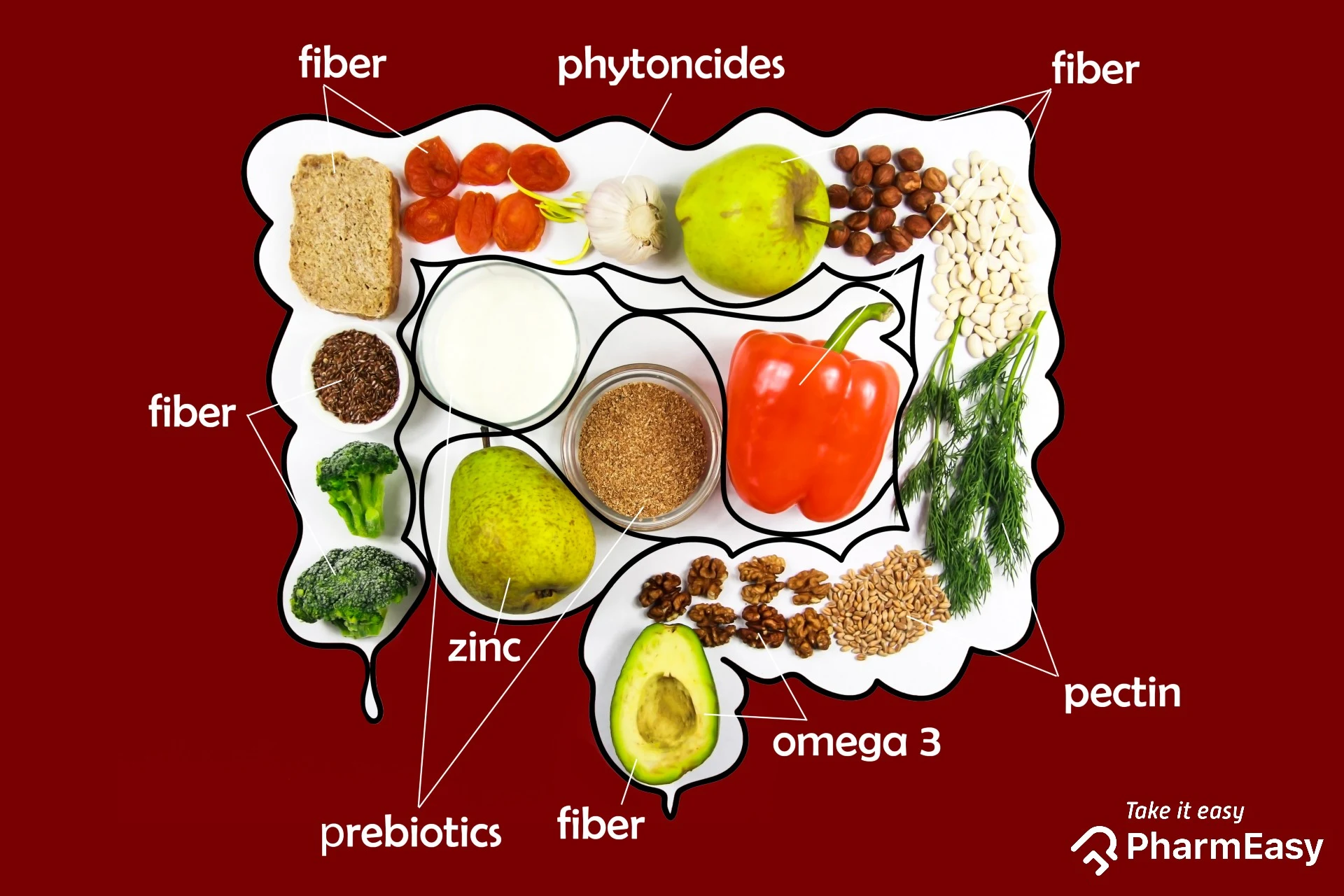
A varied diet containing fibre-rich foods can support normal digestive health. Fermented foods such as yogurt may also form part of a balanced diet when suitable for the individual.
Antibiotics should be used when medically appropriate rather than avoided when they are genuinely needed. Adequate sleep, physical activity and stress management also contribute to overall health.
What research has not yet proved
Scientists are investigating probiotics, prebiotics, diet and other microbiome-related approaches for a range of conditions. Early findings are interesting, but they do not establish that changing gut bacteria can reliably treat depression, anxiety, neurodegenerative disease or cognitive problems.
People experiencing persistent digestive or mental-health symptoms should seek appropriate professional assessment rather than replacing established treatment with unproven microbiome therapies.







Comments
Leave a Comment
Your email address will not be published. Required fields are marked *