A gut-friendly diet promotes a healthy digestive system and boosts overall health. The gut influences not just digestion but mood, immunity, and energy. Eating the right foods supports beneficial gut bacteria and keeps your system balanced.
What Is a Gut-Friendly Diet?
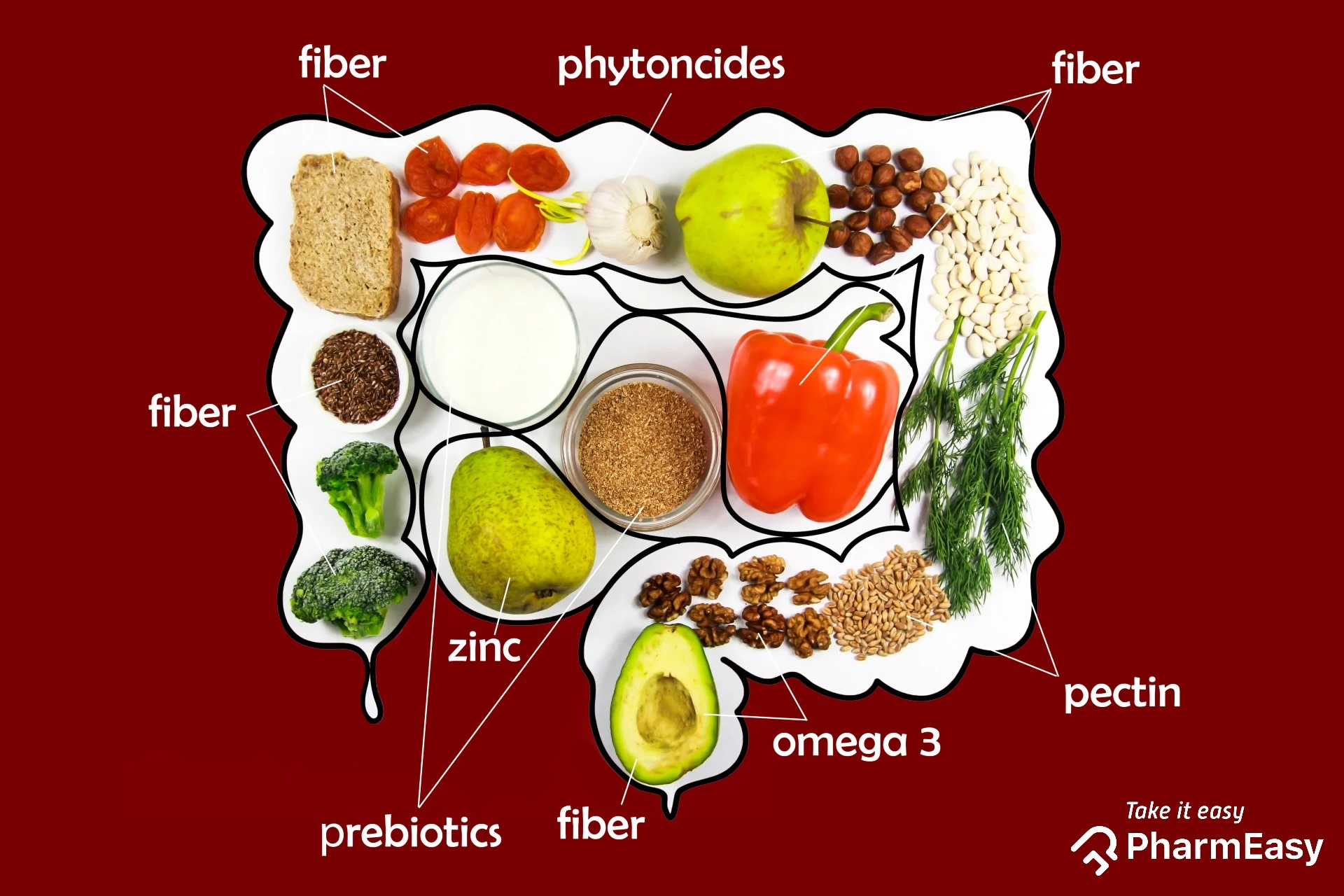
A gut-friendly diet is all about loading up on foods that are high in fiber, prebiotics, and probiotics. These components are essential for feeding and nurturing the trillions of beneficial bacteria living in your gut. When your microbiome is balanced, it can lead to better digestion, less inflammation, and even a boost in your mental well-being.
Top Gut-Friendly Foods to Include
- Yogurt and Kefir: These fermented dairy products contain live probiotics that restore gut bacteria. Choose plain yogurt to avoid added sugars.
- Kimchi and Sauerkraut: Fermented vegetables rich in probiotics improve digestion and boost immunity.
- Garlic and Onion: These vegetables provide prebiotic fibers that feed good bacteria and promote gut balance.
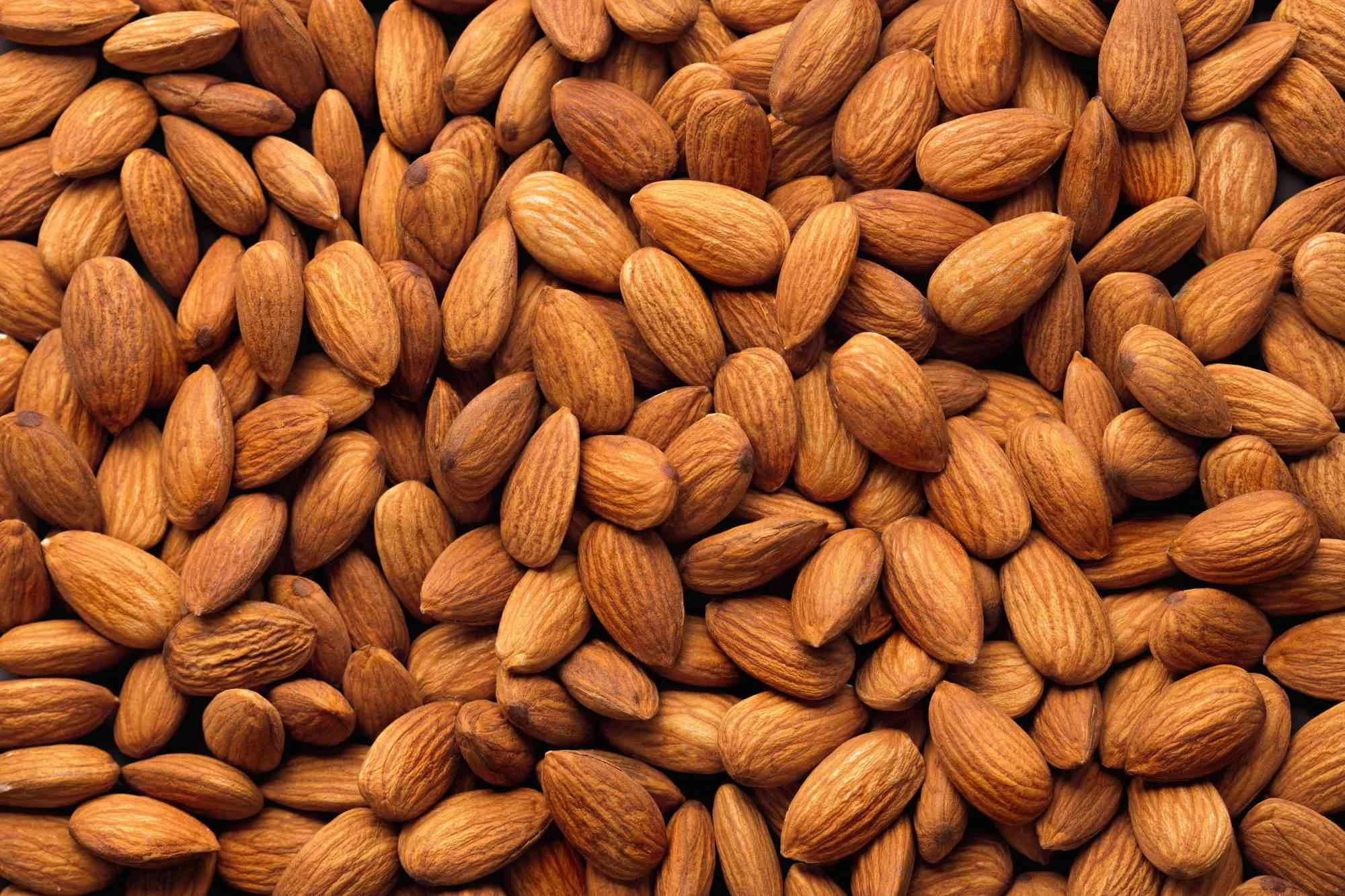
- Almonds: High in fiber and healthy fats, almonds support microbiome diversity and digestive health.
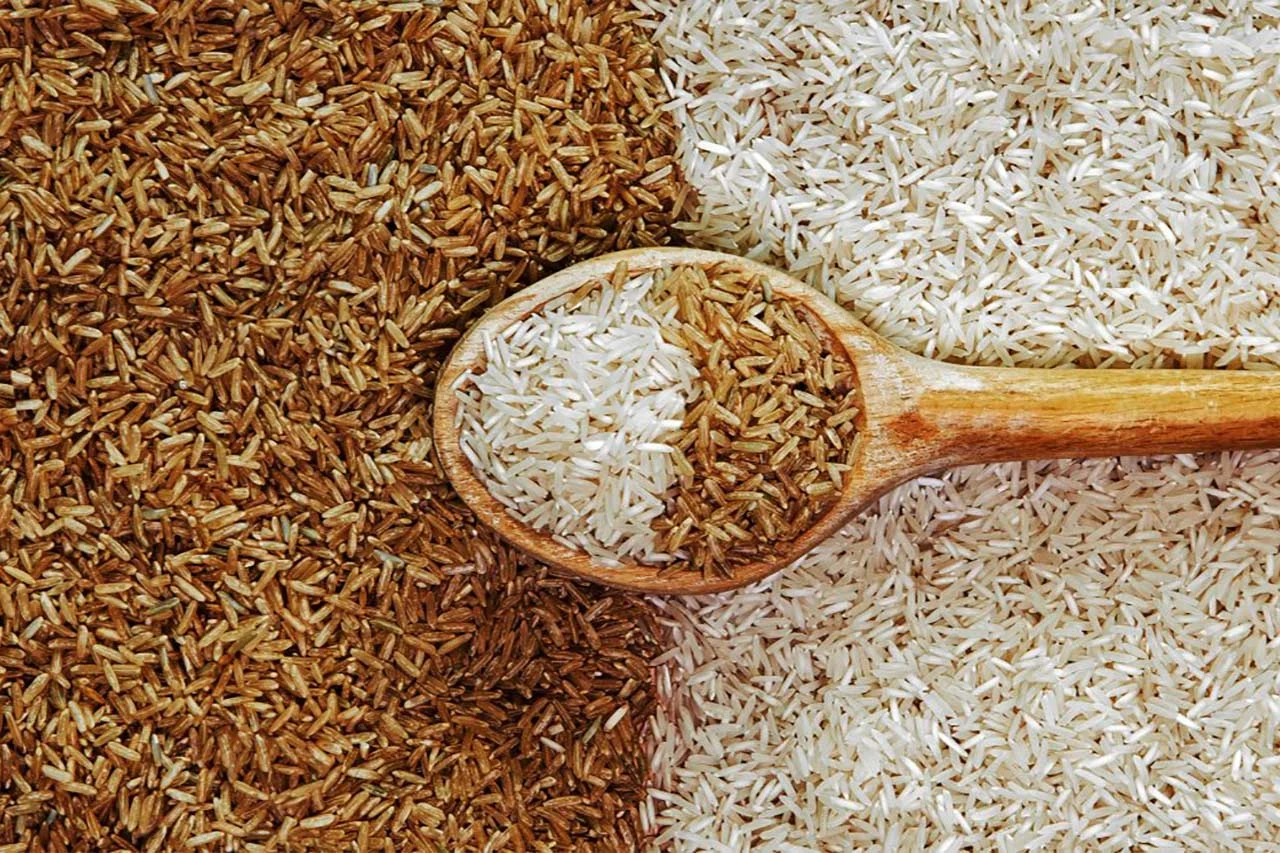
- Whole Grains: Foods like oats, barley, and quinoa act as prebiotics and prevent constipation.
- Ginger: It stimulates digestion and reduces gut inflammation.
- Olive Oil: Rich in polyphenols and healthy fats, olive oil reduces gut inflammation.
Benefits of Eating Gut-Friendly Foods
Eating gut-friendly foods comes with a host of benefits. They not only help your body absorb nutrients better but also keep your digestive system running smoothly. Plus, they play a key role in boosting your immune system by supporting the gut barrier. If you’re dealing with issues like bloating, gas, or constipation, these foods can really help ease those symptoms.
Foods to Limit for Gut Health
On the flip side, there are certain foods you should steer clear of for better gut health. Processed foods loaded with sugar, unhealthy fats, and artificial additives can throw your gut microbiota out of balance and lead to inflammation. It’s also wise to limit your alcohol intake and be cautious with antibiotics, as both can negatively impact the good bacteria in your gut.
Conclusion
A gut-friendly diet nourishes your microbiome and enhances overall wellness. By choosing probiotic and fiber-rich foods, you support digestion, immunity, and even mood. Taking care of your gut means investing in long-term health and vitality.