
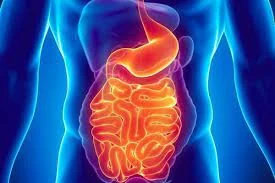
The digestive system includes the gastrointestinal tract and organs that help the body digest food and absorb nutrients. Digestive symptoms can have many causes, ranging from temporary changes in diet to infections or longer-term medical conditions.
1. Constipation
Constipation may involve fewer than three bowel movements a week, hard or dry stools, difficulty passing stool or a feeling that the bowel has not emptied completely.
Common contributing factors include low fiber intake, inadequate fluid intake, limited physical activity, changes in routine and some medicines. Gradually increasing dietary fiber, drinking adequate fluids and staying physically active may help many people.
2. Diarrhea
Diarrhea generally means loose or watery stools occurring more often than usual. Infections, food intolerance, medicines and digestive disorders are among the possible causes.
Replacing lost fluids is important because diarrhea can cause dehydration. Medical advice is appropriate for severe dehydration, blood or black stool, severe abdominal pain, frequent vomiting, high fever or persistent diarrhea.
3. Peptic ulcers
Peptic ulcers are sores in the lining of the stomach or duodenum. Two important causes are infection with Helicobacter pylori (H. pylori) and the use of nonsteroidal anti-inflammatory drugs such as some common pain relievers.
Treatment depends on the cause. Doctors may use acid-reducing medicines and, when H. pylori is present, an appropriate combination of medicines to eradicate the infection. Milk or antacids alone should not be considered a cure for an ulcer.
4. Heartburn and acid reflux
Heartburn is a burning sensation that can occur when stomach contents flow back into the esophagus. Large meals, lying down soon after eating and certain foods or drinks can trigger symptoms in some people.
Frequent or persistent reflux deserves medical assessment because treatment depends on symptom frequency, severity and underlying cause.
5. Food poisoning
Foodborne illness can result from food or drinks contaminated with harmful bacteria, viruses, parasites or toxins. Symptoms can include diarrhea, vomiting, abdominal pain and fever.
Maintaining hydration is particularly important. Medication such as an anti-diarrheal drug is not suitable for every case, especially when certain infections, fever or bloody diarrhea are present, so treatment should match the individual situation.
When to get medical help
Seek prompt medical advice for significant dehydration, gastrointestinal bleeding, black stools, persistent vomiting, severe or continuing abdominal pain, unexplained weight loss, high fever or symptoms that are severe or do not improve.






Comments
Leave a Comment
Your email address will not be published. Required fields are marked *