Quantum Biology: Definition and Its Relation
Quantum biology is a fascinating new field where quantum physics meets biology. It studies quantum mechanics’ role in living organisms at atomic and subatomic levels. This challenges traditional biology, which often relies on classical physics for explanations.
What is Quantum Biology?
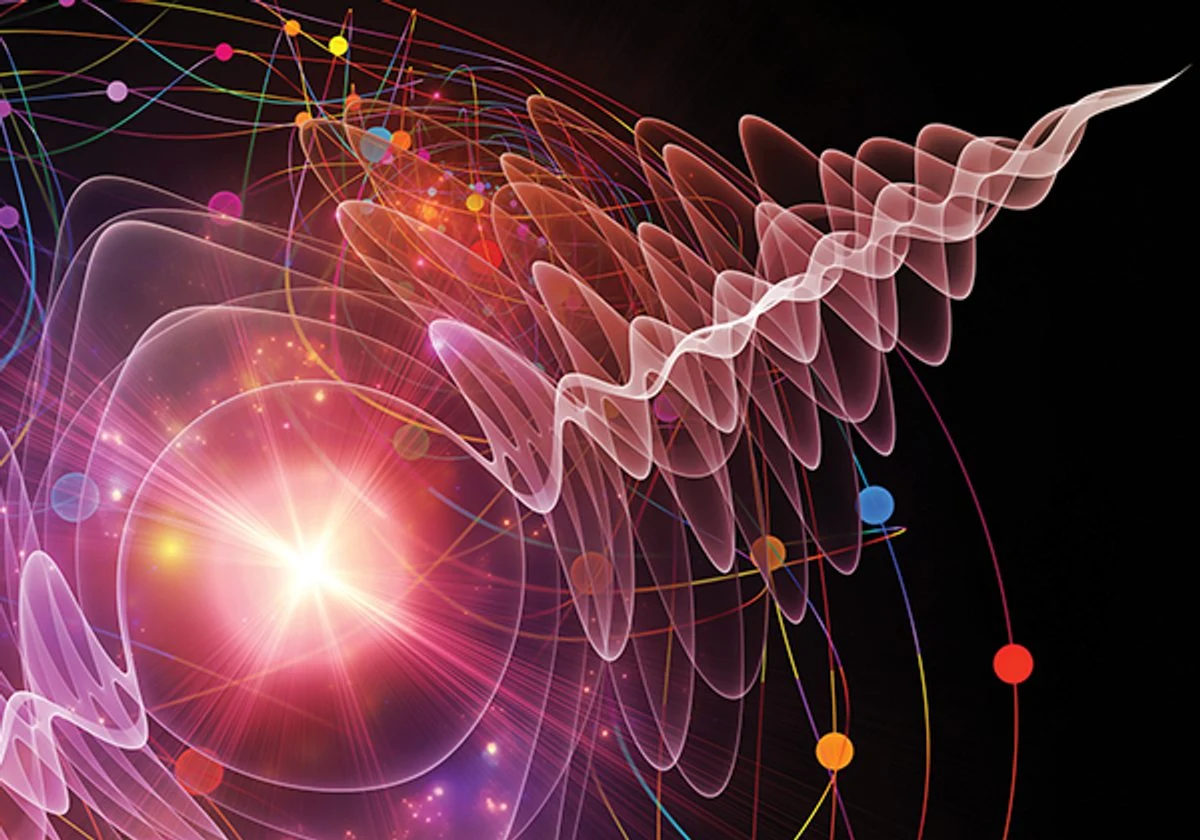
Quantum biology dives into the fascinating ways that quantum phenomena, such as superposition and entanglement, play a role in the processes of life. Superposition refers to the idea that particles can exist in multiple states at once. Meanwhile, entanglement creates a connection between particles, allowing them to influence one another instantly, no matter the distance. These intriguing quantum effects shed light on complex biological behaviors that go beyond what classical science can explain.
Key Principles in Quantum Biology
Key quantum principles apply to biological systems, including:
- Quantum coherence: Particles maintain a shared quantum state, enhancing efficiency.
- Quantum tunneling: Particles pass through energy barriers impossible in classical physics.
- Wave-particle duality: Particles behave as waves and particles, affecting reactions.
These principles provide new insights into biological reactions and processes.
Quantum Effects in Biological Processes
Researchers find quantum mechanics at work in essential life functions:
- Photosynthesis: Plants use quantum coherence to efficiently transfer energy.
- Enzyme catalysis: Tunneling accelerates chemical reactions critical for metabolism.
- DNA mutation: Quantum tunneling may cause genetic mutations.
- Sensory perception: Quantum effects improve how we smell and see.
Understanding these processes reveals life’s intricate quantum foundation.
The History and Future of Quantum Biology
Erwin Schrödinger sparked the idea of quantum biology back in 1944 with his thought-provoking book, What is Life? He proposed that quantum physics plays a crucial role in genetics and mutations. Since then, this fascinating field has expanded significantly, thanks to advancements in both technology and theoretical understanding.
Looking ahead, we can expect exciting new medical therapies and technologies that draw inspiration from quantum biology. Scientists are eager to uncover more about the quantum mechanisms that influence our health and the diseases we face.
Why It Matters?
It serves as a bridge between physics and the life sciences, offering groundbreaking insights. It helps us understand biological enigmas, such as the remarkable efficiency of processes and the intricacies of signaling. This field is pushing the limits of what we know, holding the promise of significant breakthroughs in medicine, energy, and biotechnology.
Conclusion
It explores the fascinating intersection of life and quantum physics. It reveals how quantum principles impact vital biological functions. From the process of photosynthesis to the mutations in DNA, quantum effects play a surprising role in shaping life. As this emerging science continues to develop, it opens up new avenues for understanding and harnessing the fundamental processes of life.