

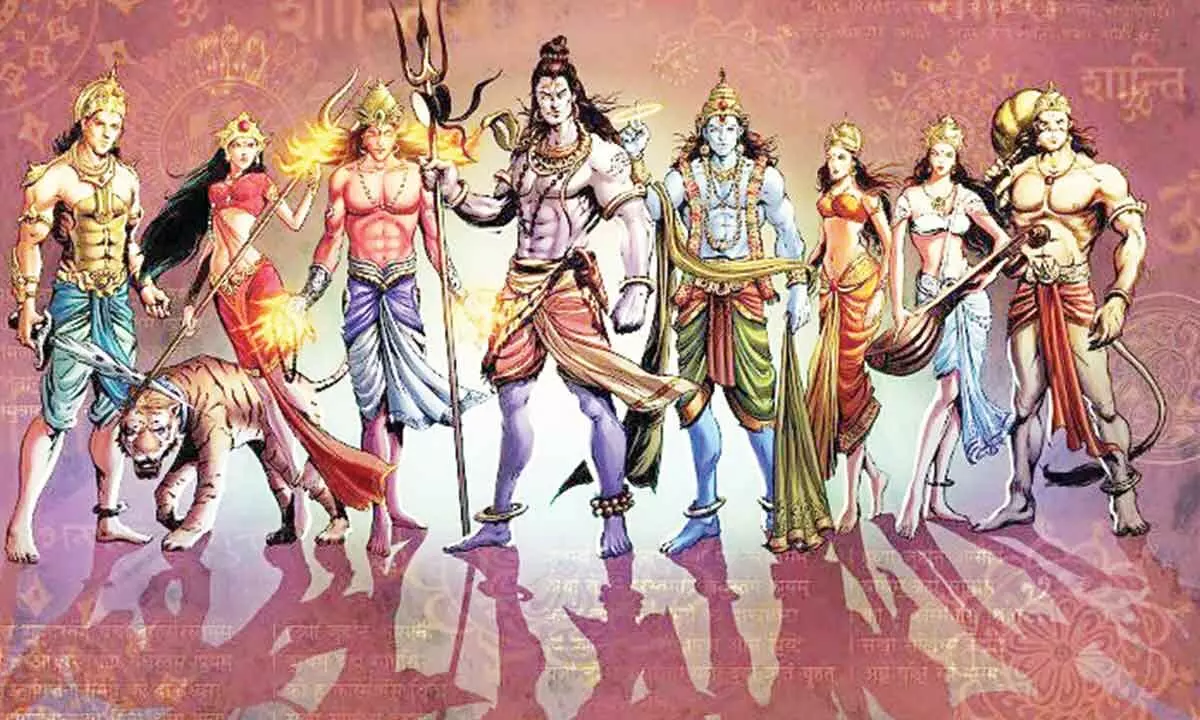
Journey Through Hindu Mythology: Legends, Deities, and Epics
Hindu mythology is like a treasure chest filled with fascinating stories, vibrant characters, and rich traditions. This collection of tales and beliefs shapes the culture and spirituality of millions of people around the world. Let’s dive into this enchanting world where gods and heroes come to life through ancient narratives.
The Pantheon of Gods: Who’s Who in Hindu Mythology
Understanding Hindu mythology starts with its gods and goddesses. The main deities often mentioned include Brahma, Vishnu, and Shiva. Think of Brahma as the creator, the one who brings everything to life. Vishnu acts as the protector, maintaining balance in the universe. Shiva, on the other hand, represents transformation and destruction, paving the way for new beginnings.
But the pantheon doesn’t stop there! Each deity has a variety of avatars and attributes. For instance, Vishnu takes on forms like Rama and Krishna, who each have their own compelling stories. How many gods do you think fit in this colorful tapestry? It’s mind-boggling!
Epic Tales: The Ramayana and Mahabharata
Two of the most significant texts in Hindu mythology are the Ramayana and the Mahabharata. The Ramayana tells the tale of Prince Rama, his wife Sita, and his battle against the demon king Ravana. This story is more than just a love story; it teaches values like duty, honor, and loyalty.
The Mahabharata, on the other hand, is an epic saga about two families—the Pandavas and the Kauravas—fighting for power. The intricacy of this narrative captures the depth of human feelings and moral challenges. It even includes the Bhagavad Gita, a philosophical discourse between Lord Krishna and the warrior Arjuna. Don’t you find it amazing how these ancient stories reflect our modern struggles?
Symbolism in Hindu Mythology: What Do They Mean?
Mythology isn’t just about the stories; it’s also about symbols. Many Hindu deities come with specific items that have significant meanings. The trident that Shiva often wields symbolizes the three essential elements of life: creation, preservation, and destruction. Similarly, the lotus flower represents purity and enlightenment, emerging beautifully from muddy waters.
What are some symbols that resonate with you? Each one tells a story and reinforces important values in everyday life.
Festivals: Celebrating the Myths
Hindu mythology comes to life through numerous festivals celebrated across the year. Diwali, known as the festival of lights, celebrates the return of Lord Rama to Ayodhya following his victory over Ravana. Holi, the festival of colors, celebrates the arrival of spring and the victory of good over evil, often represented through playful interactions with colors. These festivals are more than just events; they’re experiences that bring communities together and allow individuals to connect with their heritage.
Conclusion: The Enduring Legacy of Hindu Mythology
Hindu mythology is a vibrant tapestry woven with stories, morals, and rich traditions. Whether it’s the unforgettable tales of deities or the lessons hidden within epic narratives, each element holds relevance even today. This mythology encourages us to reflect on our choices and values, making it as important for modern life as it was thousands of years ago.
Isn’t it fascinating how these ancient stories continue to inspire and influence so many lives? Dive into this world for yourself and discover the lessons that await.