
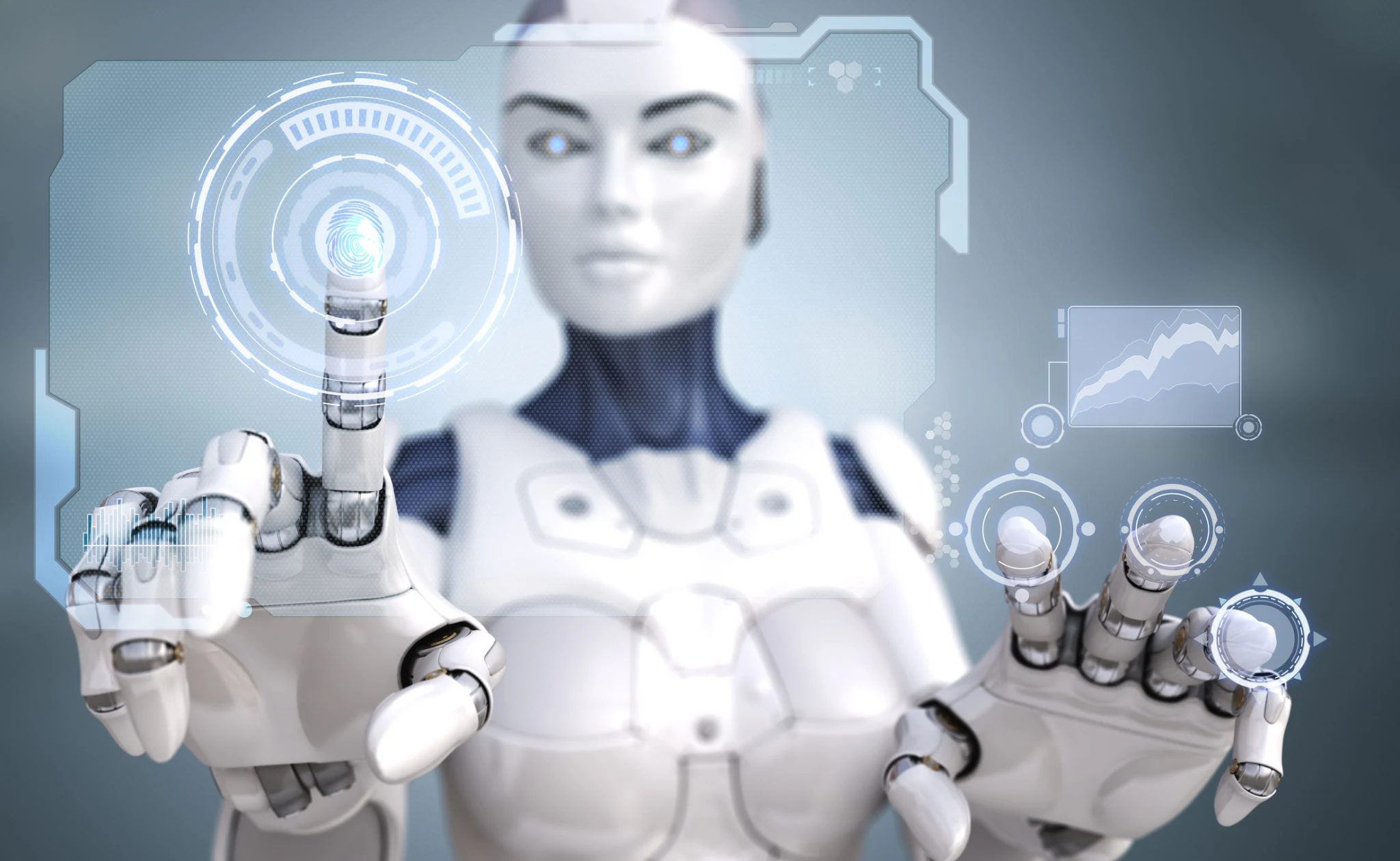
Robots have moved far beyond science-fiction stories. They are used in factories, warehouses, laboratories, hospitals and homes, although their capabilities vary greatly according to the task and environment.
What is a robot?
A robot is generally a programmable machine capable of carrying out physical actions using mechanisms, sensors and control systems. Some operate largely automatically, while others depend heavily on human supervision.
Industrial robots
Manufacturing has used robotic systems for decades. Robots can perform repetitive tasks such as welding, assembly, painting and material handling with high consistency when the working environment is properly designed for them.
Robots in everyday life
Consumer examples include robotic vacuum cleaners and lawn-care devices. Logistics companies also use automated systems to move and sort goods inside warehouses.
Not every automated machine is a fully autonomous robot, and demonstrations of emerging technology do not necessarily mean that it is already practical or widely deployed.
What happens to jobs?
Automation can reduce demand for some tasks while changing others and creating work in areas such as engineering, programming, maintenance, integration and supervision.
The effect is not as simple as one robot replacing one worker. Outcomes depend on the industry, the tasks being automated, investment, worker skills and how organisations redesign jobs.
Robots still have limitations
Humans remain better suited to many tasks requiring flexible judgement, complex communication, empathy or adaptation to unpredictable situations. Robotic systems also require maintenance, safety controls and appropriate human oversight.
A changing relationship with machines
The important question is not whether robots will suddenly “rule” everyday life, but how automation is designed and used. Productivity, worker safety, training, accountability and responsible deployment all influence whether robotics provides meaningful benefits.





Comments
Leave a Comment
Your email address will not be published. Required fields are marked *