

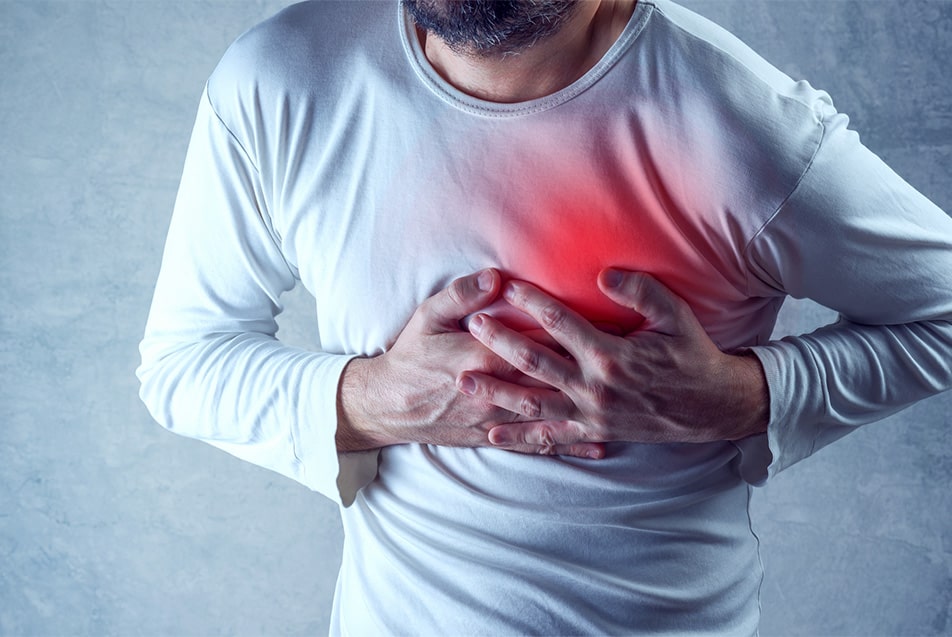
Difference between Heart Attack and Heart failure. In the United States, heart disease affects a large number of people. The term “heart disease” encompasses a number of distinct heart disorders, including heart failure and heart attacks. Several risk factors, such as smoking, having high blood pressure or having high cholesterol, enhance your chances of developing heart disease. Other risk factors, such as your age and family history, are unchangeable. Heart failure is not the same as a cardiac attack, despite the fact that they both fall under the category of heart disease. It’s critical to understand the differences between the two in case you have a cardiac episode.
Difference between Heart Attack and Heart failure
When your heart is too stiff or weak to adequately pump blood to the rest of your body, you have heart failure. This can happen as a result of excessive blood pressure or illnesses like coronary artery disease, which causes the arteries delivering blood to your heart to narrow.
A heart attack, also known as a myocardial infarction, occurs when blood flow to your heart is impeded or entirely stopped. Blood transports oxygen to your heart muscle, and anything that stops a blood vessel, such as fat or cholesterol buildups, inhibits enough oxygen from reaching your heart muscle. As a result, part of the heart muscle is damaged or destroyed.
Symptoms of Congestive Heart Failure vs. Heart Attack
Congestive heart failure
It is characterized by symptoms that reflect your heart’s inability to adequately pump blood. Symptoms may appear and disappear, or they may last for a long time. If you get new symptoms or your old symptoms worsen, it could indicate that your heart failure is worsening or that your current treatment isn’t working.
Symptoms of heart failure may include:
Coughing up mucus or phlegm that is white, pink, or frothy
Weakness and exhaustion
Heart attack symptoms
It might appear hours, days, or even weeks before the actual attack. Some people have no symptoms at all, while others have severe symptoms right away.
Pain, pressure, tightness, or a squeezing sensation in the chest.
Sweaty palms
aches and pains in your arms, back, neck, jaw, or stomach
Indigestion, nausea, or heartburn are all symptoms of heartburn.