
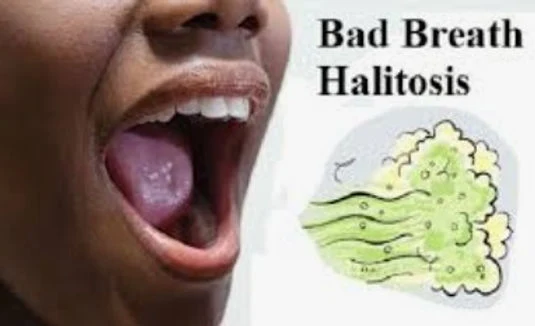
Halitosis is the medical name for bad breath. It is very common and can affect confidence and social life, but it can usually be treated at home. Most cases start in the mouth, especially with bacteria on the teeth, gums and tongue.
What causes bad breath?
- Poor oral hygiene: food left between the teeth and on the tongue is broken down by bacteria, which release foul-smelling compounds. The back of the tongue is a common source.
- Teeth and gum problems: gum disease, tooth decay and mouth infections are frequent causes.
- Strong-smelling food and drink: garlic, onions and spices cause temporary odour.
- Dry mouth: saliva helps clean the mouth, so dry mouth, whether from medicines, mouth breathing or not drinking enough, can make breath worse.
- Smoking: tobacco causes bad breath and raises the risk of gum disease.
- Fasting or crash dieting.
- Medical conditions: less commonly, tonsillitis, sinus or lung infections, acid reflux or uncontrolled diabetes (which can give breath a smell like nail-polish remover). A coated tongue can also be a sign worth checking; see our guide to the causes and treatment of a yellow tongue.
How to prevent and treat halitosis
- Brush your teeth twice a day with fluoride toothpaste and clean between your teeth daily.
- Clean your tongue gently with a brush or tongue scraper.
- Keep dentures clean.
- Staying hydrated and chewing sugar-free gum help saliva flow.
- Cut down on sugary foods and drinks, and on strong-smelling foods before social events.
- Stop smoking.
- Have regular dental check-ups and cleanings.
When to see a dentist or doctor
See a dentist if bad breath does not go away after a few weeks of good oral hygiene, or if you have painful, bleeding or swollen gums, toothache, loose adult teeth or problems with dentures. If your dentist finds no cause in the mouth, a GP can look for other medical reasons. Seek medical help promptly if bad breath comes with fever or other signs of illness.
This article is general information and not a substitute for professional dental or medical advice.
Sources: NHS, Bad breath; Mayo Clinic, Bad breath; Merck Manual, Bad breath.



Comments
Leave a Comment
Your email address will not be published. Required fields are marked *