
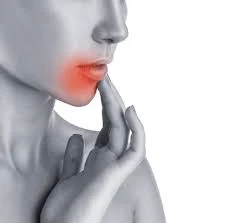
Dry mouth can be temporary, but persistent symptoms may affect comfort, speech, swallowing and oral health.
Why dryness can occur
Low fluid intake, mouth breathing, anxiety and dry environments can contribute. Many medicines also reduce saliva, and some health conditions may be associated with persistent dryness. A symptom alone cannot identify the cause, so diagnostic claims should be avoided.
Simple comfort measures
Regular sips of water, sugar-free gum where appropriate and attention to oral hygiene may help some people. Tobacco, alcohol and very sugary drinks can make symptoms less comfortable. Do not stop prescribed medicine solely because dryness appears; discuss the issue with the prescriber.
When to seek assessment
Professional advice is sensible when symptoms continue, swallowing becomes difficult, mouth sores recur or tooth decay increases. A legitimate reference on gum disease may provide background, while children’s dental care covers preventive habits for families.





Comments
Leave a Comment
Your email address will not be published. Required fields are marked *