
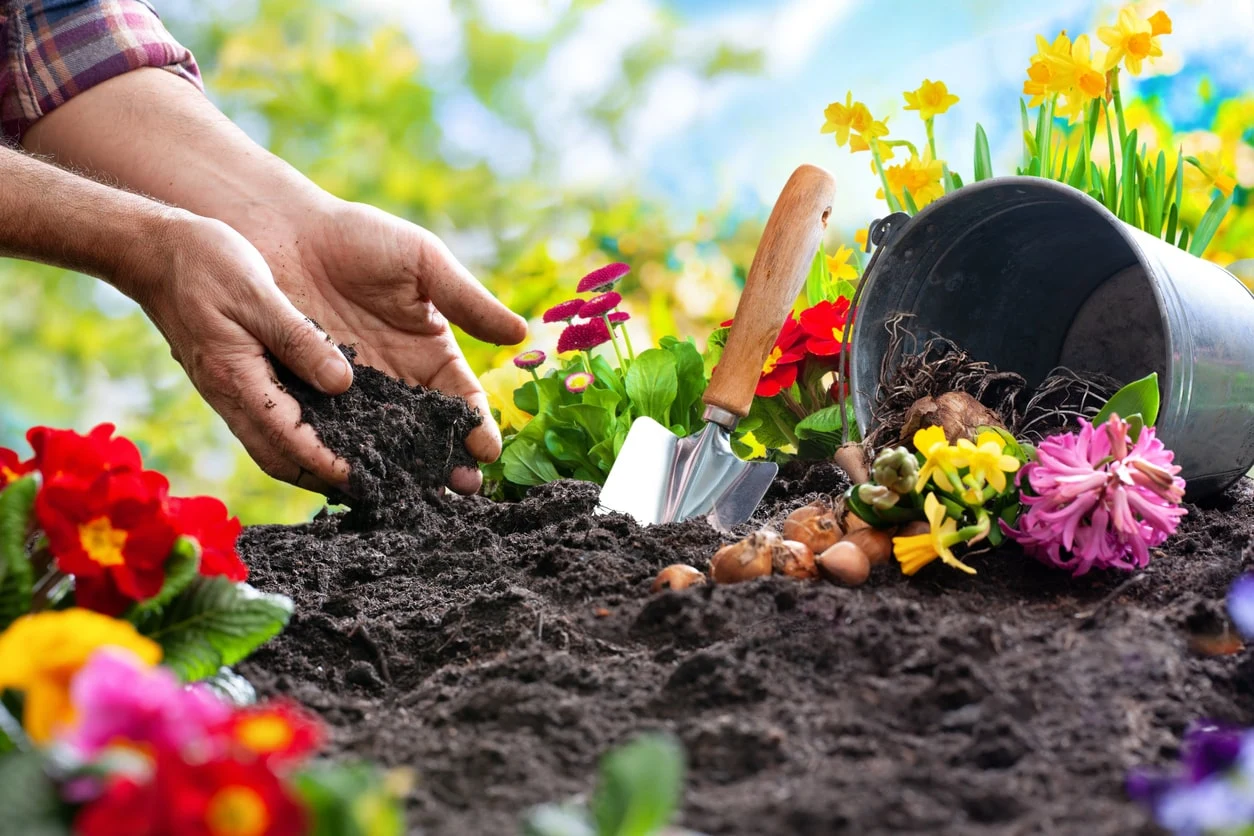
Gardening can be an enjoyable way to spend time outdoors, care for plants and add movement to your day. Research has linked gardening and other nature-based activities with aspects of well-being, while the physical work involved can contribute to everyday activity. The benefits vary according to the person, the type of gardening and how regularly they take part.
Gardening can keep you physically active
Digging, planting, watering, weeding and carrying light gardening supplies all involve movement. The intensity varies considerably, so gardening should not be treated as a guaranteed replacement for a complete exercise program. However, it can be one practical way to reduce sedentary time and stay active while doing something productive.
Time outdoors may support well-being
Gardening combines activity with contact with plants and outdoor spaces. Research on gardening and nature-based activities has reported potential benefits for mental well-being, including mood and anxiety-related outcomes. The evidence is not identical for every health outcome, so gardening should be viewed as a healthy activity rather than a treatment for a medical condition.
Growing food can encourage interest in fresh produce
A small garden can provide herbs, vegetables or fruit depending on the climate and available space. Mint, coriander and other herbs can also be grown in containers where appropriate. Growing food does not automatically create a healthy diet, but it can encourage people to learn more about fresh ingredients and how food is produced.
Gardening can be a family activity
Children can help with age-appropriate jobs such as watering plants, filling pots or observing how seeds develop. Gardening can introduce them to different vegetables, herbs and natural processes. Adults should supervise children around tools, fertilizers, pesticides and potentially toxic plants.
Protect yourself while gardening
Outdoor gardening also means exposure to sunlight and heat. Wear suitable clothing, take breaks, drink water and avoid prolonged activity during extreme heat. Protect exposed skin from ultraviolet radiation. Our guide explains why sun protection matters.
Use good body mechanics
Repetitive bending, lifting or kneeling can strain muscles and joints. Change positions regularly, use appropriate tools and avoid lifting loads that are too heavy. People with existing medical or mobility conditions may need to adapt gardening tasks to their abilities.
Gardening is not a medical treatment
Gardening can complement a healthy lifestyle, but claims that soil, plants or gardening can prevent or cure specific diseases should be treated cautiously. People managing heart disease, joint problems, allergies or other health conditions should follow appropriate medical advice rather than replacing treatment with gardening.
Conclusion
Gardening offers a combination of movement, outdoor time, practical activity and the satisfaction of caring for plants. Whether you have a garden, balcony or a few containers, it can be a rewarding hobby and one component of an active lifestyle.





Comments
Leave a Comment
Your email address will not be published. Required fields are marked *