
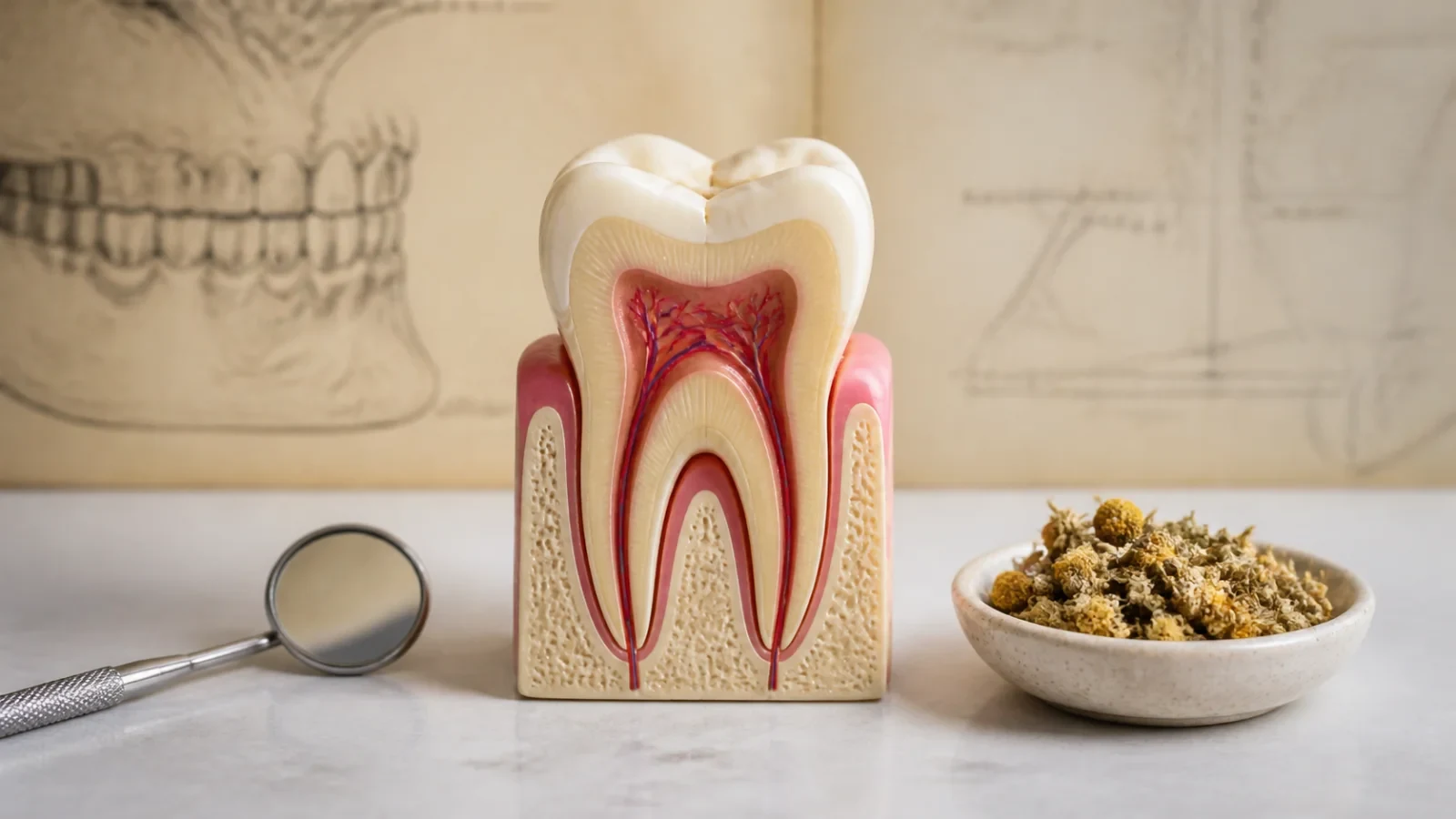
For centuries, people in many parts of the world explained tooth pain through stories, inherited beliefs and local healing traditions. This account, set in the former Hyderabad Deccan region, describes one such experience. It is best understood as a piece of cultural history—not as dental guidance or evidence that the method worked as claimed.
A journey prompted by persistent pain
The narrator remembered developing severe pain in a molar while living in Karimnagar. The discomfort continued despite the help available at the time, and the prospect of losing the tooth caused further worry. A local acquaintance then suggested visiting a traditional healer who lived near a wooded area outside town.
Reaching the meeting place required a journey by bullock cart to a riverbank. The healer arrived carrying a leafy twig and asked the narrator to sit, open their mouth and cough. According to the account, a small object resembling a worm then appeared on a white cloth. The narrator associated the event with the end of the toothache and remembered the plant as bitter-tasting, but could not identify it.
The older “tooth worm” explanation
The idea that a worm caused toothache appeared in several ancient cultures. Before people understood tooth decay, infection and the structures inside a tooth, the image of a creature boring into it offered a simple explanation for sudden or severe pain. Traditional performances could also reinforce that belief by producing something that looked like a worm during a ritual.
That background helps explain why the narrator interpreted the experience in this way. It does not establish that a worm was present in the tooth or that the plant removed the cause of the pain. Personal memories can be sincere while the explanation attached to them reflects the knowledge and customs of a particular place and period.
Folklore is not dental treatment
Modern dentistry does not recognize tooth worms as a cause of toothache. Dental pain can have different causes, and identifying the source requires an appropriate examination. A historical remedy should therefore not be copied, especially when the plant, preparation and risks are unknown.
Anyone with persistent or severe tooth pain should seek qualified dental care rather than delay treatment or place an unidentified substance in the mouth. Urgent professional attention is particularly important when pain is accompanied by swelling, fever, difficulty swallowing, breathing difficulty or an injury.
Why stories like this still matter
Accounts of traditional healing preserve details about travel, community trust and the ways people responded when formal care was difficult to reach. They can be valuable records of social history when presented honestly. The responsible approach is to retain the story while clearly distinguishing personal recollection, cultural belief and evidence-based care.
Read in that spirit, this is not a recipe for treating toothache. It is a glimpse of how one person and one community understood pain at a particular time—and a reminder that historical testimony needs context before it is used as health advice.






Comments
Leave a Comment
Your email address will not be published. Required fields are marked *