
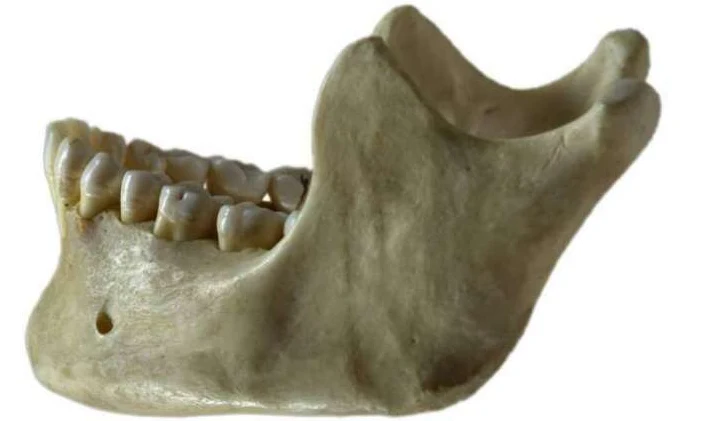
A suspected broken jaw or spinal injury can be a medical emergency. First aid should focus on getting emergency medical help, protecting breathing and avoiding unnecessary movement. Do not try to straighten a suspected fracture or perform advanced airway techniques unless you are trained to do so.
Suspected broken jaw
A jaw fracture may follow a significant blow or fall. Possible signs include severe pain, swelling, bleeding, difficulty opening or closing the mouth, loose or damaged teeth, an abnormal bite or visible deformity.
Get emergency help when needed
Seek emergency medical assistance for serious facial trauma, difficulty breathing, heavy bleeding, loss of consciousness, significant deformity or other severe injuries. Stay with the injured person and continue watching their breathing and responsiveness while help is on the way.
Do not straighten the jaw
Do not force an injured jaw back into position. Encourage the person to remain as still and comfortable as possible. If there is external bleeding that can be safely reached, use appropriate first-aid measures such as gentle direct pressure, while avoiding unnecessary manipulation of the injured area.
Watch the airway and breathing
Breathing takes priority in an emergency. If the person becomes unresponsive or is not breathing normally, contact emergency services and follow dispatcher instructions. Provide CPR if needed and if you know how, or follow instructions from the emergency dispatcher.
Suspected head, neck or spinal injury
Suspect a spinal injury after events such as a serious fall, a high-impact collision, a strong blow to the head or body, or head-first entry into shallow water, particularly when there is neck or back pain, weakness, numbness, tingling, loss of movement or altered alertness.
Avoid unnecessary movement
Tell the injured person not to move and leave them in the position found while emergency help is arranged, unless they must be moved because of immediate danger, CPR or another life-threatening problem. Do not ask them to stand, walk or test the movement of their neck or back.
Continue monitoring
Watch for changes in breathing, responsiveness, weakness, sensation, bleeding or other symptoms until emergency personnel arrive. Keep the person from becoming excessively cold or hot and reassure them while waiting for help.
First-aid training matters
Emergency airway and spinal-management techniques require appropriate training. A recognized first-aid or CPR course can provide hands-on instruction for responding safely to serious injuries.
Conclusion
With suspected jaw, head, neck or spinal injuries, prioritize emergency assistance, breathing and preventing unnecessary movement. Do not attempt to reposition fractures or perform advanced procedures beyond your level of first-aid training.



Comments
Leave a Comment
Your email address will not be published. Required fields are marked *